
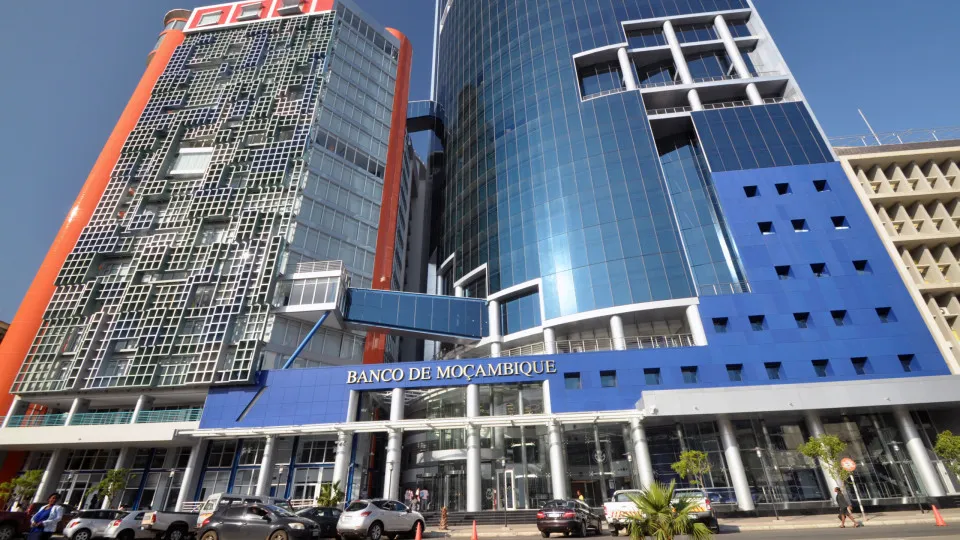
The Bank of Mozambique authorizes a deduction of 110% of certain productive credits to compulsory reserves in order to stimulate the economy and reduce external dependence.
© Lusa
10/11/2026
by
Lusa
O Bank of Mozambique (BM) has now allowed banks to deduct up to 110% of certain productive credits from compulsory reserves, covering sectors such as agriculture, manufacturing, aquaculture, livestock and tourism.
The measure is contained in Notice No 9/GBM/2026, this month, with the central bank defining sectors, activities and procedures of the Special Regime of Deduction of Required Reserves in National Currency, a mechanism that aims to encourage the granting of credit to projects oriented to the replacement of imports and diversification of exports, directing more funding to productive activities of the Mozambican economy.
The eligible sectors include agricultural production, animal production, aquaculture, manufacturing industry and local tourism, including their value chains.
In agriculture, it includes food crops and income crops considered priority by the central bank, including rice, wheat, corn, beans, oilseeds, cassava, tomatoes, potatoes, onions, coffee, tea, cashew nuts, citrus fruits, mangoes, bananas and pineapples.
It covers livestock activities, including poultry, cattle, goat farming and pig farming, as well as aquaculture aimed at producing fish for supply to the national and export market.
In the manufacturing industry, agro-processing, fish and meat processing, food manufacturing, feed, furniture, textiles, clothing, packaging and construction materials are eligible, among other segments linked to the processing of national raw materials.
In tourism, it includes accommodation, catering and tourist transport services, in an attempt to strengthen one of the sectors with the greatest potential for currency generation for the country.
The Regulation requires beneficiary companies to use, where possible, raw materials, inputs or national services, seeking to maximise the multiplier effects of credit on the domestic economy and reduce external dependence.
In practice, banks may deduct a value equivalent to 110% of the outstanding balance of the investment credits included in the scheme from the compulsory reserves established with the WB and 100% of the eligible cash credits.
The mechanism creates a direct incentive for the granting of new funding, allowing financial institutions to release part of the resources currently fixed in the form of compulsory reserves where they support activities falling within the objectives set by the regulator.
However, each bank shall grant at least 50 new eligible credit operations per six months and reach a minimum volume of 6% of the average of the compulsory reserves constituted in the previous six periods.
Interest rates are also subject to limits and investment credits cannot exceed the MIMO monetary policy rate, currently set at 9.25%, while treasury financing is limited to the MIMO rate plus 150 basis points.
Financial institutions will have to submit to the central bank detailed monthly information on all loans covered, including business sector, disbursed amounts, debt capital, applied interest rate, credit status and deductible amount for the purposes of compulsory reserves.
The measure implements an initiative announced on 30 September by the governor of the BM, Felisberto Navalha, who then defended the use of resources retained in compulsory reserves to support production: “Being still and the economy in need of some oxygen right now, we want to make these resources available for commercial banks to mediate their channel to the productive sector of our economy, focusing mainly on productive units or companies dedicated to the promotion of exports.”.
The measure, valid for 18 months, arises after the WB has increased in May the coefficient of mandatory reserves in methics from 29% to 39% of total bank deposits, to absorb excess liquidity in the financial system and to contain inflationary risks.