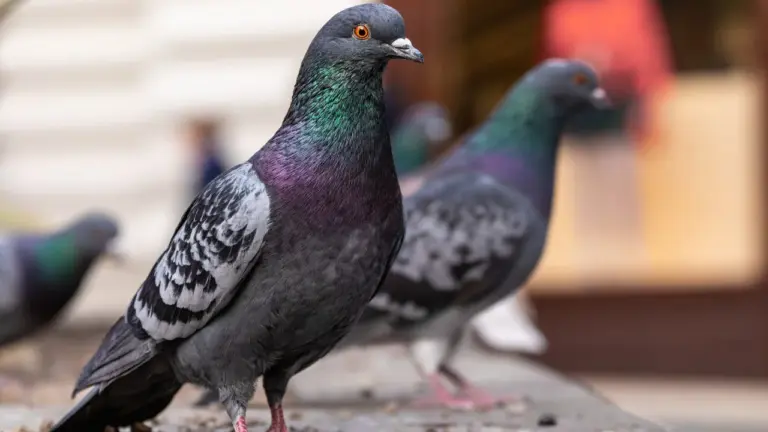
Faro published in Diário da República a regulation that creates voluntary caregivers to manage contraceptive doves, aiming to control the population of urban pigeons by nonlethal methods.
© Shutterstock
26/11/2026
by
Lusa
O regulation that creates and allows volunteer caregivers to manage contraceptive doves to control urban pigeons by nonlethal methods, in Faro, was today published in Diário da República, entering into force on Friday.
The Municipal Regulation for the Management and Activity of Pigeons Caregivers in the Municipality of Faro, approved in a Chamber meeting last June, creates the figure of the volunteer caregiver, defining rules to manage pigeons in a coordinated manner, while protecting animal welfare, public health and urban hygiene.
The document comes from the recognition of the importance of the collaboration of citizens in the management and monitoring of pigeon populations, defining a normative framework that regulates the activity, rights, duties and procedures of designated voluntary caregivers.
According to the municipality, the presence of pigeons in Faro is “a reality with impacts on public health, urban hygiene and conservation of the built heritage”.
The “undiscriminated or non-compliance with specific rules” feeding by voluntary citizens can cause negative impacts on hygiene, public health and environmental balance, supports the municipality.
This food “when carried out in an organized manner can contribute to the monitoring of populations and to the implementation of appropriate management measures”, reads in the document.
The model is based on contraceptive doves, structures where birds are fed and reproduced and where eggs are replaced by artificial eggs, which stops the growth of the population without using lethal methods.
Applicants for voluntary caregivers who are approved receive a valid 24 month, renewable identification card.
Among the obligations of caregivers are the feeding of animals only in the authorized places, the maintenance of the cleaning conditions of doves and the exclusive use of allowed foods, such as corn and mixtures suitable for pigeons.
It is for the municipality to ensure the installation, maintenance and hygiene of the structures and to provide the replacement eggs necessary for reproductive control free of charge.
The Regulation also provides for the suspension or withdrawal of authorisations granted to caregivers in the event of non-compliance with the rules or for public health reasons, with the opinion of the municipal veterinarian.