
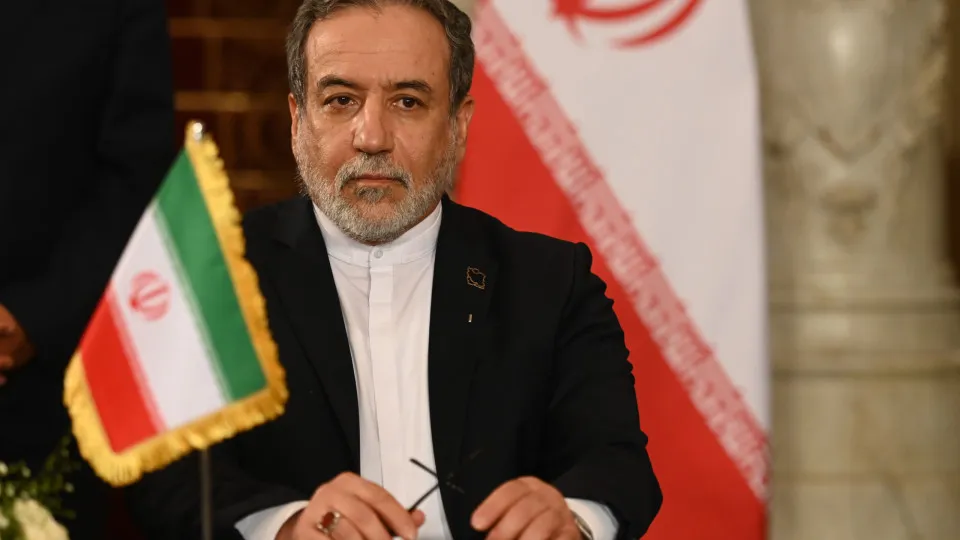
Iran has condemned to the UN and the IAEA the US offer of up to $20 million for information on its nuclear programme, classifying the initiative as “irrdent and dangerous.”.
© Sayed Hassan/Getty Images
11/11/2026
by
Lusa
O Iran condemned to the UN and the International Atomic Energy Agency (IAEA) the US offer of up to $20 million for information on the Iranian nuclear programme.
Iranian Foreign Minister Abás Araqchi sent a letter to UN Secretary-General António Guterres, the Security Council and the Director-General of IAEA Rafael Grossi, classifying the initiative as “unrudent and dangerous”.
According to Araqchi, the offer encourages the illegal collection of information and the espionage of nuclear facilities and materials, also endangering scientists.
The head of Iranian diplomacy asked Guterres and Grossi to expressly condemn the American announcement and demanded that Washington be held responsible for its actions.
The reward, announced on November 7 through the program Rewards for Justice, from the U.S. State Department, can reach 20 million dollars (about 18 million euros) and includes the possibility of relocation of people who provide information.
The State Department justified the initiative with Iran's lack of cooperation with the IAEA, claiming that Tehran prevents determining how many centrifuges and other nuclear equipment the country produces and stores.
Iran has long denied wanting to develop nuclear weapons and defends its right to use nuclear energy for civil purposes.
On Monday, Iran announced a recent IAEA inspection of the Bushehr nuclear power plant in the south of the country and ensured that it continues to fulfil its commitments under the Non-Proliferation Treaty (NPT).
The statement comes at a time when Iranian conservative sectors advocate the exit of the treaty and a review of the country's nuclear doctrine.
Bushehr is the only Iranian power plant in operation for electricity production and the only facility Tehran has allowed to inspect since the attacks of Israel and the United States on Fordo, Natanz and Isfahan nuclear installations during the June 2025 war.
Meanwhile, in a dispute over the control of the Ormuz Strait, Iran and the United States maintain indirect conversations, mediated by Qatar and Pakistan, to try to end the war that began at the end of February.
Tehran requires, inter alia, the thawing of its foreign assets and the lifting of US sanctions in exchange for the reopening of the Ormuz Strait, which has been blocked since the beginning of the conflict.
The Iranian authorities argue that negotiations on the nuclear programme should be addressed at a later stage.
In 2018, during Donald Trump's first term of office, the United States withdrew from an agreement reached under Barack Obama, which aimed to prevent Iran from acquiring nuclear weapons in exchange for the relief of sanctions.