
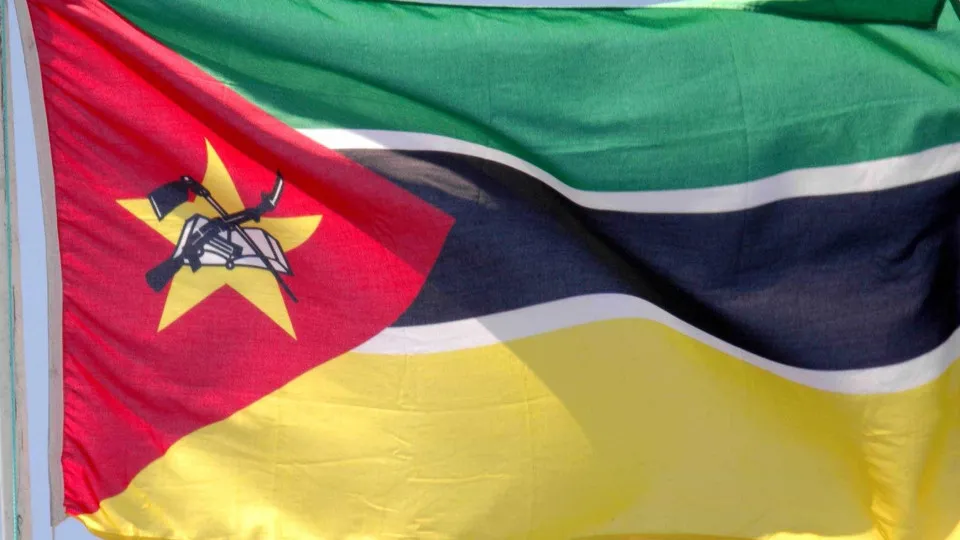
The Foreign Direct Investment (FDI) in Mozambique totaled 1,637 million euros in the first half of 2026, 33% of the amount raised in 2025, especially in gas and mining.
© Reuters
11/11/2026
by
Lusa
O Foreign Direct Investment (FDI) in Mozambique totaled 1,880 million dollars (1.637 million euros) in the first half of 2026, 33% of the value captured throughout the year 2025, especially in gas and mining.
The amount results from the entry of $1,286 million (EUR 1,091 million) in the first quarter and 594,5 million (EUR 517 million) in the second quarter, according to Mozambican Bank statistics.
Despite the slowdown observed between April and June, the structure of foreign investment remains largely dominated by the megaprojects associated with natural resources, especially natural gas, oil and mining, which continue to absorb most of the external capitals directed to the Mozambican economy.
In the documents accompanying the Economic and Social Plan and the State Budget (ESOE), the Government projected for 2026 a new historic maximum of IDE of 5.880 million dollars (4.988 million euros), supported mainly by advances in liquefied natural gas projects in the north of the country.
In the first quarter, the extractive industries captured 1,209 million dollars ($1,048 million euros), equivalent to about 94% of the entire IDE received by the country in this period, evidencing the determining weight of the major energy and mining projects in attracting external investment.
The predominance of this sector prolongs the trend observed in 2025, when Mozambique recorded a record of USD 5,693 million (EUR 4,829 million) in foreign direct investment, more 60.2% than in the previous year.
At that time, the central bank explained that “the growing evolution of the GP IDE [Great Projects], which is observed in recent years, is essentially justified by the increase in the influx of capital associated with the oil and gas industry projects, focusing on the exploration and research of hydrocarbons in the Rovuma basin, as well as the revitalization of the coal and heavy sand industry.”.
The latest data appear at a time when investments linked to the development of natural gas reserves in the Rovuma basin in Cabo Delgado are accelerated.
In August, ExxonMobil, operator of the Rovuma LNG project, awarded pre-investment contracts valued at 1.1 billion dollars (EUR 947 million) for the acquisition and manufacture of equipment considered critical for the first phase of the project.
Shortly thereafter, the US oil company announced an agreement to increase its participation in the Rovuma LNG from 25% to 50%, reinforcing control over the one that is considered one of the largest private projects planned in Africa.
The Rovuma LNG provides for the construction of land liquefaction facilities on the Afungi peninsula, with capacity to produce 18.6 million tonnes of liquefied natural gas per year, with partners pointing to a final investment decision by the end of 2026.
In addition to this project, French TotalEnergies continues to prepare the start of the production of Mozambique LNG, Area 1 of the Rovuma basin, while Italian Eni has been producing gas since 2022 through the Southern Coral floating platform and plans to expand operations with the future North Coral unit.