The Mediterranean look festival, dedicated to the cinema made by women, celebrates the power of the collective and initiates a community mediation program to attract more people to the cinema room.
© Shutterstock
22/11/2026
by
Lusa
O mediterranean looks festival, dedicated to the cinema made by women and which begins on Monday in Lisbon, celebrates “the power of the collective” and opens a mediation program to call more people to the cinema room.
“ We are experiencing a very complicated, very difficult time in social and political terms. There's a lot of atomization of society, there's a lot of anger, we see the rise of the far right that scares us a lot. And we are a festival that reflects a lot of society around us. [...] This year we wanted to open a little more to optimism, to the idea that, together and weaving together our stories, our ideas, our meetings, we can react to the situation we are in,” said Lusa one of the directors of the Mediterranean Eyes, researcher Silvia di Marco.
The 13th edition of the Mediterranean Eyes is presented as the largest ever, with 81 films, more than 40 guests, more exhibition spaces in the city, workshops, debates and professional meetings.
“ From the idea that a film festival is a collective work, making movies is a collective work, this idea arose that this year, the festival be exactly about this theme; to have collective stories, to somehow celebrate the power of the collective”, said Silvia di Marco.
The festival begins on Monday at the Portuguese Cinemateca, partner of the festival for welcoming the focus of this 13th edition on the cinema of Slovenia, with the films “Family therapy”, by Sonja Prosenc, and “Moja Verna”, by Sara Kern.
The other inaugural moment of the festival takes place on Thursday at the São Jorge cinema – the main house of the festival – with “Life in a beat”, by Amerissa Justa, a family drama about unemployment, independence and difficulty in finding home.
“ We have several films in which the family appears, always unconventionally, and there is one thing that is common to all Mediterranean countries, [which is] the central importance that the family has. And the family is the first collective in which each of us enters, is it not? ", said the programmer.
Among the novelties is the extension of programming to the gardens of Bombarda space, the award of the MUTIM – Women Image Workers in Movement award “for the best Portuguese school film with non- stereotypical characters” and an accessible session with films and a debate in Portuguese Sign Language, “reinforcing commitment to inclusion”.
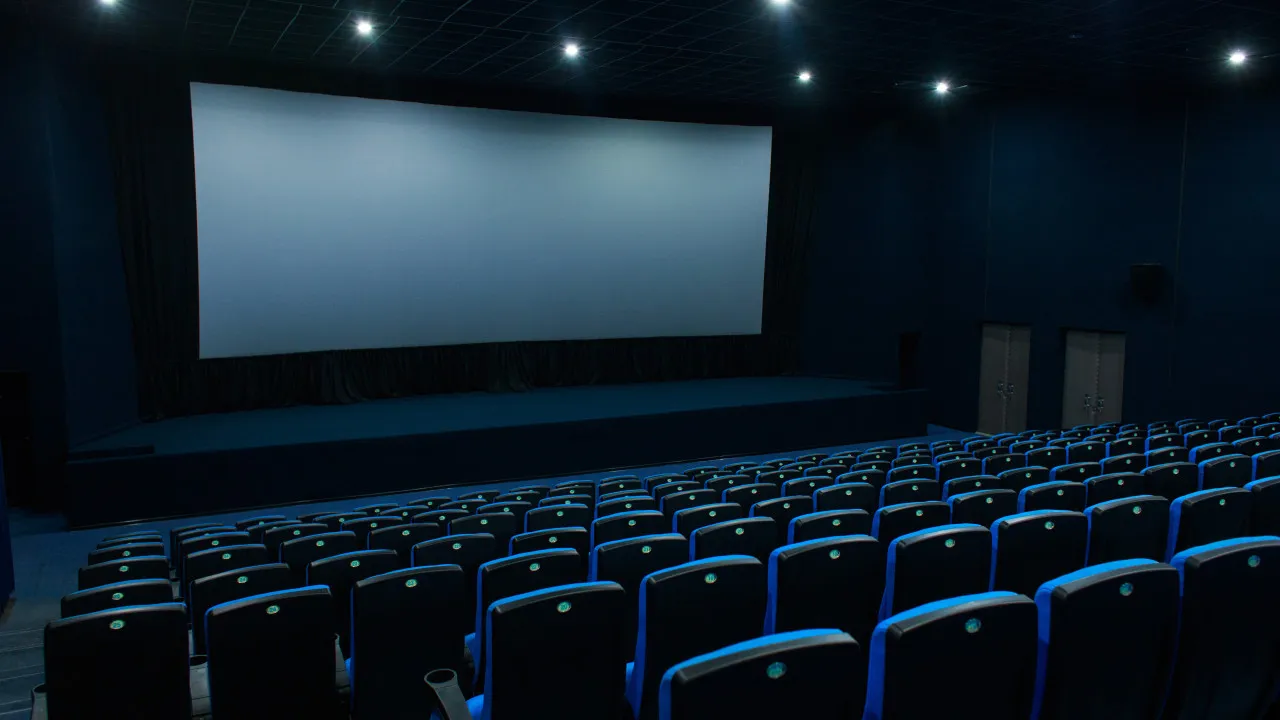
Another new initiative is a program to mediate communities in the Lisbon region, to consolidate the existence of the festival in the city's cultural calendar and to attract more people who, for economic, social or even mobility reasons, go little to the cinema.
Silvia di Marco recognizes the difficulty in taking people to the movies, in convincing them to break routines, to leave the comfort of home, because, in her opinion, it increases social isolation.
Therefore, the festival conducted a survey of associations closer to the residents of Lisbon and neighboring areas, to realize that audiences have lost the habit of going to the movies and that they are available to go to the Mediterranean Eyes, even in small groups and benefiting from discounts for sessions.
The idea of this program “is to tell people: ‘you are invited, we invite you directly to come, because this space is for you too’.
The Mediterranean Eyes Festival, which is an initiative of the cultural association that names it and the CRIA – Center in Network Research in Anthropology, will run until December 2nd and ends with the film “Nomad Shadow” (2025), by Eimi Imanishi.