The Portuguese Government today regretted the lack of climate ambition in COP31 and accompanied the European Union in rejecting the final draft decision, which it considered insufficient to limit global warming to 1.5 °C.
© Getty Images
22/11/2026
by
Lusa
O Portuguese Government today regretted the lack of climate ambition in COP31 and accompanied the European Union in rejecting the draft final decision, which it considered insufficient to limit global warming to 1.5 °C.
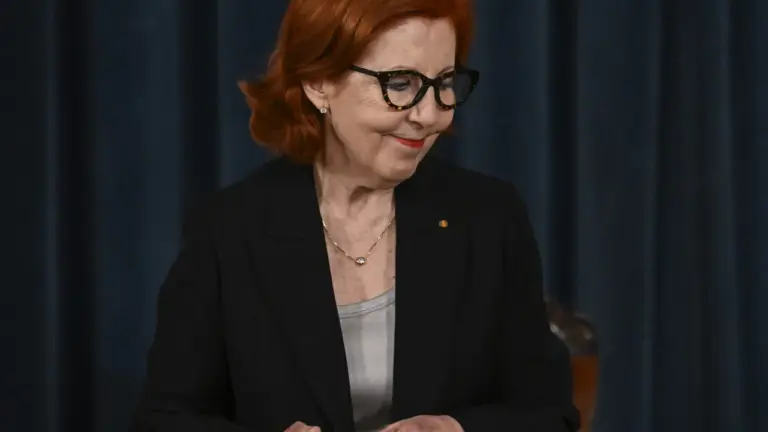
“ Unfortunately, the final decision fell short of what science requires and what the world needs,” said Minister of Environment and Energy, Maria da Graça Carvalho, quoted in a statement.
The Portuguese executive pointed out the lack of references to the need to accelerate the abandonment of fossil fuels and the roadmap presented by the presidency of COP30.
According to the government, the European Union has attributed the deadlock to the lack of a sufficiently ambitious commitment to reduce emissions.
“For Portugal and the other Member States, international consensus cannot be achieved at the expense of a retreat in climate ambition. The European position thus represents the defence of a multilateralism capable of producing concrete results and responding to the challenges of climate change”, reads the statement.
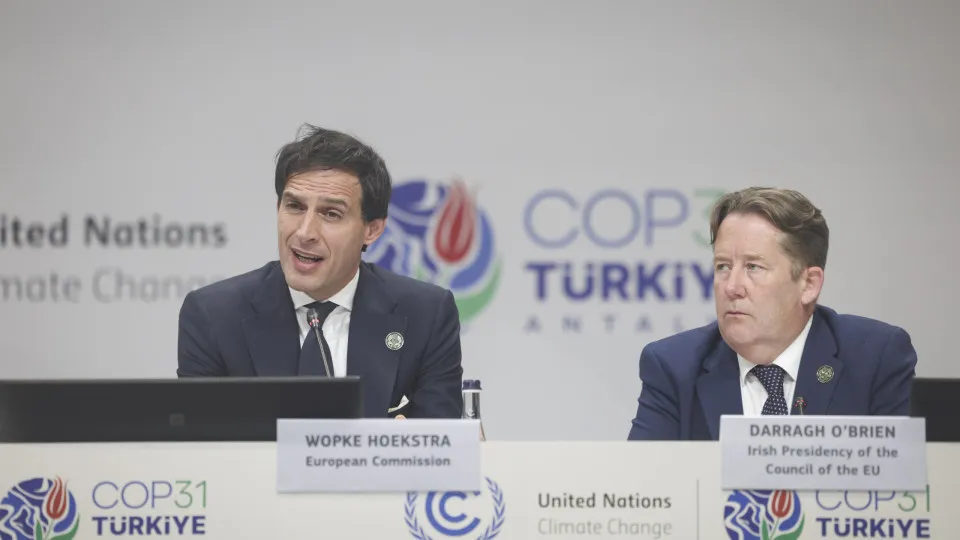
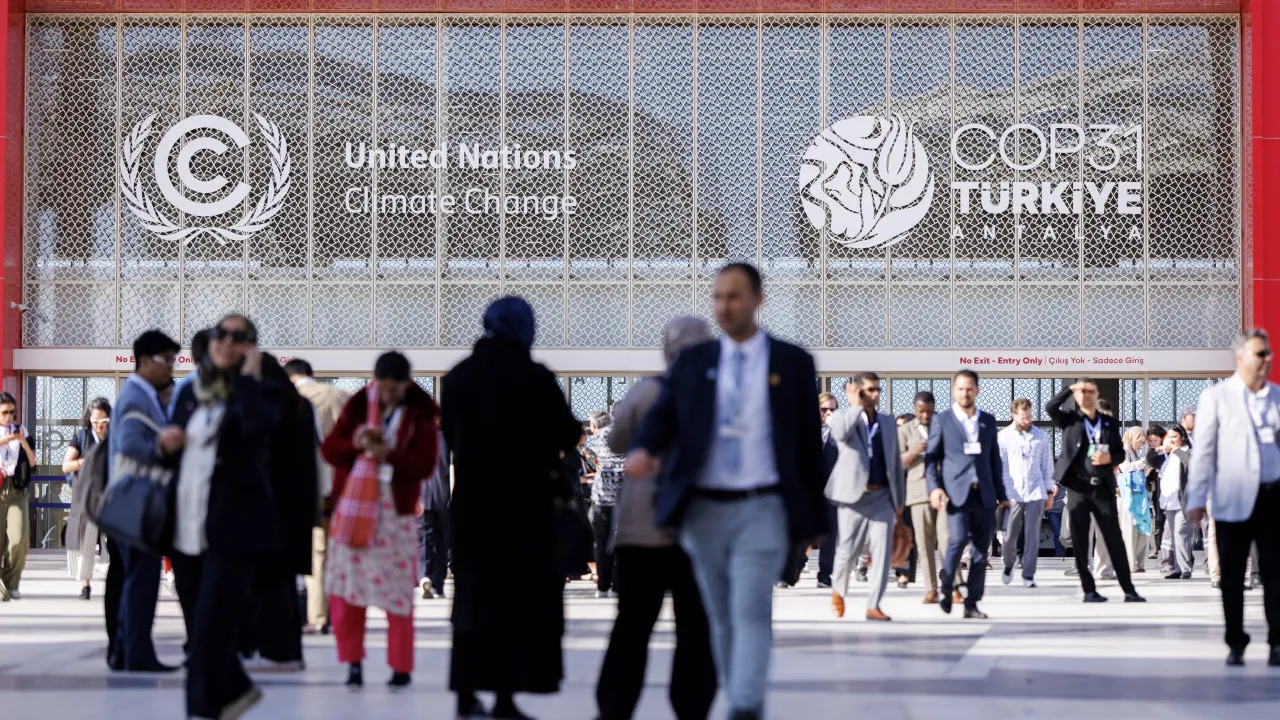
The climate summit in Antalya (COP31) has today failed to reach a political consensus on the basic text proposed by the Turkish-Australian Presidency, so there will not be a new global agreement, in an outcome interpreted as another setback for multilateralism on the global climate agenda.
Following the rejection of the project in the final plenary by the 27 countries of the European Union, the United Kingdom, Panama and several small Pacific States, among others, COP31 was left without a political agreement on how to combat global warming, due to differences between blocks on the abandonment of hydrocarbons and climate financing for developing countries.
“ There was a broad agreement on the general agenda, only one or two points that turned out to be irreconcilable,” the Australian co-president of COP31 Chris Bowen, who described the outcome as “very disappointing.”.
The summit in the Turkish city of Antalia was the longest of 31 held so far, surpassing the 44-hour record for extension in Madrid in 2019.
The absence, in the final text, of a transition to the abandonment of fossil fuels in energy systems, already agreed at the Dubai COP in 2023, was the main reason invoked by the EU to reject the document in an iron arm involving oil and other major emitters such as India.
There were also disagreements between the Arab Group, led by Saudi Arabia, and the EU on carbon capture technology, to which the European bloc was opposed by considering that this mechanism will not allow hydrocarbons to be abandoned.
The plenary also exposed the current geopolitical tensions, with strong criticism from Russia of the EU and the absence of Donald Trump's United States.
The financing of climate adaptation in developing countries, which should be largely ensured by the Community bloc, was another point that prevented a consensus agreement.
In the financial chapter, the text presented by the co-presidency of Turkey and Australia sought to reconcile the demands of the bloc of developing countries, which called for sound guarantees of public funding, with the refusal of industrialised economies to make new quantified commitments.
Many European economies are experiencing financial crises and consider that they have no room to grant climate aid, especially after the energy crises caused by the Russian invasion of Ukraine and the conflict in the Middle East.