
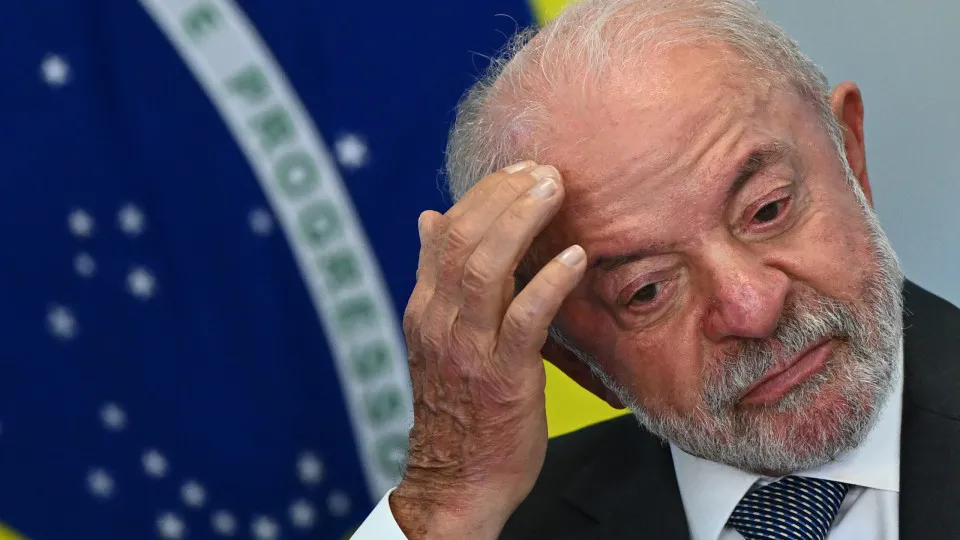
The Senate of Brazil approved, on Thursday, the basic text of the fiscal adjustment plan presented by the Government of President Luiz Inácio Lula da Silva to balance public accounts and calm the markets.
© Lusa
13/11/2026
by
Lusa
O Senate of Brazil approved, on Thursday, the basic text of the fiscal adjustment plan presented by the Government of President Luiz Inácio Lula da Silva to balance public accounts and calm the markets.
The measure, which still has to go through a final vote in the upper chamber of the Brazilian parliament, provides for savings of at least €45 billion (€7.2 billion) by 2027.
Most of the adjustment focuses on restricting tax benefits for companies, aiming at increasing tax revenue, and not strictly on spending cuts.
In addition, the bill sets a 2% limit for real expenditure growth next year, a more stringent ceiling than the current one, with which a primary surplus (before debt interest payments) is to be generated 0.1%.
Senator Camilo Santana of the Workers' Party, a movement that supports Lula, said during the debate that “there will be no cuts in culture or programs that serve the majority of the population”.
“ Are the measures we are adopting today sufficient? Maybe not”, he recognized.
The right-wing opposition voted against the measure, claiming to have had little time to examine it, as it was presented only on Wednesday.
Senators who support the Executive defended the need for a faster discussion to avoid market instability.
The measure is a response from Lula da Silva's Government to the turbulences recorded on the stock exchange after the President's victory over Senator Flávio Bolsonaro, who was the market's favorite due to the spending cuts plans.
The day after the victory, the Stock Exchange fell 13.8% and negotiations had to be suspended for half an hour.
In addition to presenting the bill, the President made a statement on television to reaffirm his commitment to fiscal responsibility.
Brazil accumulates a fiscal deficit of 9.51% of gross domestic product (GDP) and a primary deficit of 0.52%, while government debt rose to 82.9% of GDP.