Three non-governmental organisations today considered that the UN climate conference in Turkey, COP31, was
© Getty Images/ YASIN AKGUL / AFP
22/11/2026
by
Lusa
Tnon-governmental organisations today considered that the UN climate conference in Turkey, COP31, was “a political failure”, with a “deeply disappointing outcome” that leaves the world “without response to the climate emergency”.
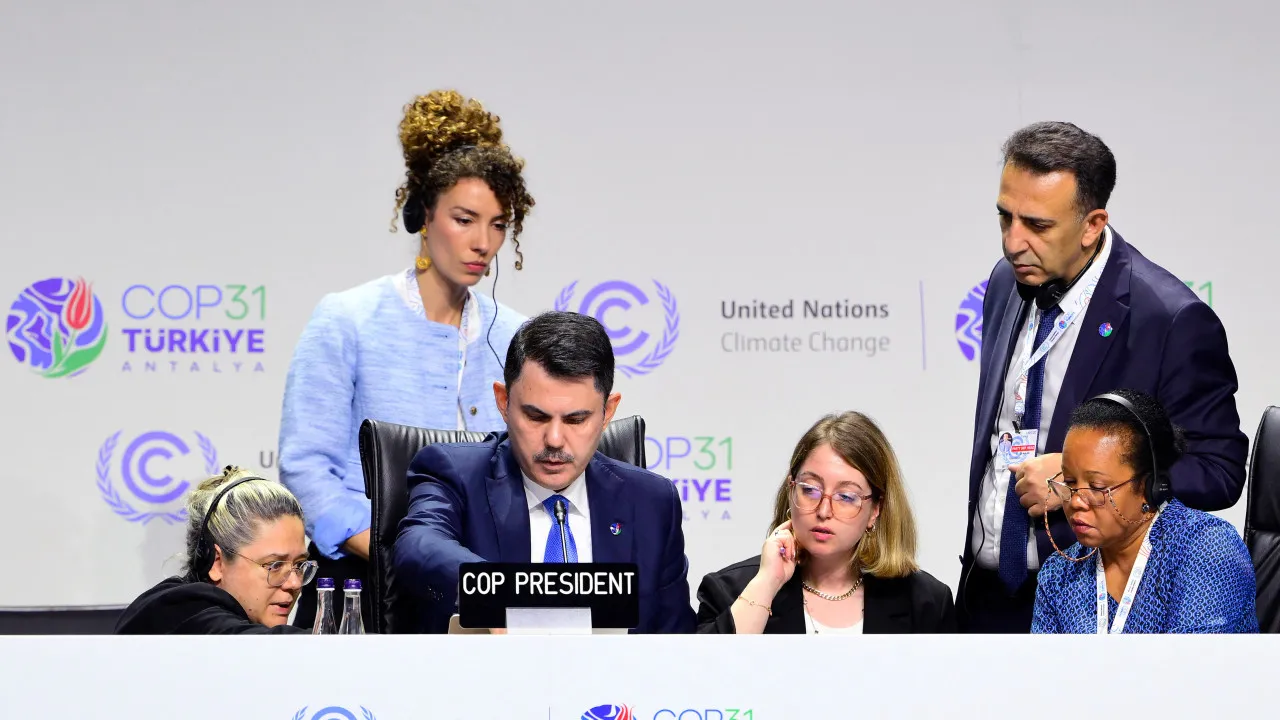
In a statement, Zero organisations, Faith and Cooperation Foundation and Oikos took a very negative view of the conference held in Antalya, Turkey, which for two weeks brought together almost 200 countries to debate global warming, and which is today at the closing session.
“ Better a COP without a major decision than a COP with a bad decision,” says the organisations, pointing out that this was the longest COP ever and also one of the biggest failures, and highlighting the position of the European Union (EU), which rejected the proposal for an agreement advanced by the Turkish Presidency.
The EU should have advanced with financial commitments, and Portugal was “progressive” and announced a roadmap to abandon fossil fuels, the organisations noted.
In the statement they stressed that the final document proposed by the Presidency did not expressly mention fossil fuels or set any timetable for abandoning their use. The issue was referred to in a first draft communiqué last Monday but disappeared.
“Announced as the implementation conference,” Antália will be marked by the inability of governments to transform commitments previously made into concrete measures,” they say, recalling official figures that indicate that the world is moving towards an increase in temperature of 2.8oC by the end of the century.
The decision of Antália, stress, acknowledges that the temporary overrun of the limit of 1.5oC compared to the pre-industrial period is increasingly likely, “but does not lay down additional measures sufficiently concrete to quickly reduce emissions and limit the duration and size of this exceeding”.
The three organisations consider that the presidency of COP31, divided between Turkey and Australia, did not demonstrate the political leadership needed to lead the negotiations to a result compatible with climate emergency, and that the result “shows the weight of the economic interests associated with fossil fuels, the resistance of coal, oil and gas producing countries to more demanding commitments and the unavailability of richer countries to ensure the necessary funding.