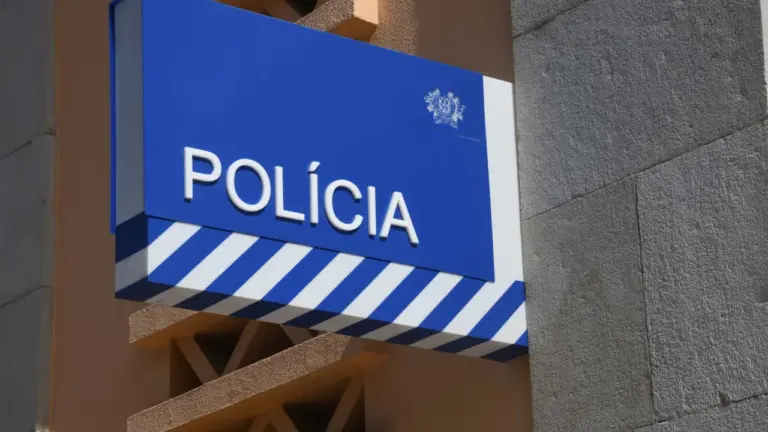
Two PSP agents who joined a UN mission in South Sudan between 2025 and 2026 took a positive view of Lusa's work, despite persistent difficulties in the country, such as the organisation of elections.
© Shutterstock
28/11/2026
by
Lusa
Deight PSP agents who joined a UN mission in South Sudan between 2025 and 2026 made a positive assessment of Lusa's work, despite persistent difficulties in the country, such as the organization of elections.
The United Nations Mission in South Sudan (UNMISS) was established on 8 July 2011, the day before the proclamation of the country's independence.
Subintendent João Moura, who commanded the contingent of four members of the Public Security Police (PSP) who were in the country between July 2025 and October 2026, considered that the world’s youngest country has progressed since 2011, notably in training police authorities and in promoting human rights.
“ From 2011 until now we can guarantee that South Sudan has evolved and we are closer to this great goal,” said, referring to the first general elections, postponed from 22 December to 11 February 2027, according to the electoral committee, which did not present any reasons.
For João Moura, the new postponement does not necessarily mean a setback, given the successive delays.
However, the agent stressed that there are difficulties associated with divisions between ethnic and/or tribal communities, the isolation of several regions and technological obstacles to electoral census. But from their perspective, it is up to local authorities to equip themselves with the necessary mechanisms for elections to take place.
The Portuguese police were tasked with protecting civilians, supporting the distribution of humanitarian aid, training local police forces and promoting human rights.
João Moura explained that, on the ground, he began patrolling, then trained in leadership, communication and human rights and, in recent months, exercised public information functions.
According to his experience, there is a shortage of material and technological resources, which end up being one of the main difficulties of these missions.
The chief Marco Costa highlighted the insecurity, isolation of populations and tensions between communities as other factors that hinder the presence in this nation.
Placed in Malakal, in the north, Marco Costa patrolled and protected vulnerable people, then gave police training in Juba, the capital.
Marco Costa reported cases of domestic violence, rapes and marriages between children and adults, which show the importance of the human rights aspect of the mission.
The officer recalled that there are very specific constraints such as several-day trips by land, which must be carried out by helicopter, the risks associated with armed groups and an interpreter who refused to accompany him to a police post for fear of entering an area linked to a rival community.
“ This tribal issue is still very present in that territory,” he said.
The two police also remembered how Cristiano Ronaldo is known even in the most isolated regions.
João Moura met, in a school, a child in the Barcelona sweater and told him that he had played with and against the footballer and described how it made that person's eyes shine. Marco Costa saw two young people from a remote village associate Portugal with Ronaldo, “the largest Portuguese ambassador in the world”, in his opinion.
The four elements – João Moura, Marco Costa, Carlos Romão and Filipe Correia – received UN medals, praises and letters of recommendation.
Marco Costa considered that they left “a very positive legacy” and that it was “an honor” to represent Portugal and PSP.
South Sudan experienced a civil war between 2013 and 2018, with more than 400,000 dead, and continues to face clashes between rival forces.
The 2018 peace agreement created a transitional period, but the elections have been successively postponed.