
Countries that wish to disengage from fossil fuels, responsible for climate change, will now have a roadmap in the UN climate negotiations, which will be presented by Brazil.
© Lusa
10/11/2026
by
Lusa
Ocountries that wish to disengage from fossil fuels, responsible for climate change, will count from today on a roadmap in the UN climate negotiations, which will be presented by Brazil.
Brazil, which presided over the UN climate negotiations in 2025, will present the document for the “transition of fossil fuels” during the 31st Conference of the Parties to the United Nations Framework Convention on Climate Change (COP31), which takes place in Turkey until 20 November.
The roadmap aims to guide nations on a journey of economic transformation towards renewable energies.
It is a complex document, structured with different levers that nations can use to replace coal, oil and gas with renewable energy sources, such as wind and solar, which do not emit gases that retain heat and cause global warming.
Three years ago, in a historic agreement during the climate negotiations, the world agreed to “transition away from fossil fuels”, but did not provide guidance or details on how to do so.
This is precisely what Brazil intends to offer.
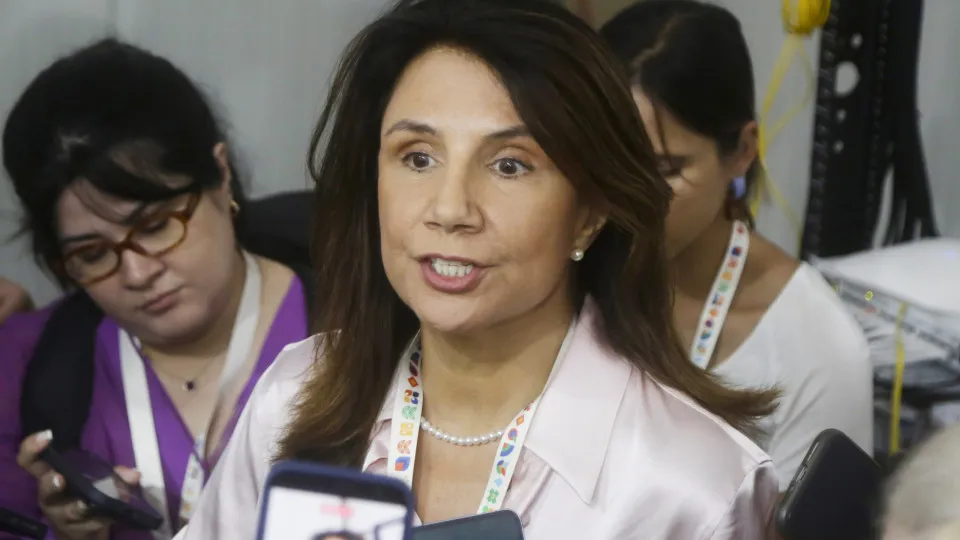
“What we hope to achieve with this roadmap is to transform a great challenge, the transition away from fossil fuels, into smaller and more viable solutions,” she explained to the news agency Associated Press Ana Toni, Brazil’s representative who led the negotiations in 2025.
“ We want to be very pragmatic, helping countries move forward,” he said.
Since each country has a distinct reality, the roadmap has been developed flexibly, allowing each nation to analyze different tools and make its own decisions on the process of abandoning fossil fuels, Toni said.
Although some might consider the goal unreachable, the roadmap shows that it is, yes, possible, and that the transition to renewable energy is inevitable, it stressed.
“ In fact, many countries are already carrying out various actions in this direction,” he added.
Toni stressed the importance of countries interrupting the construction of new power plants and fossil fuel-oriented infrastructure, as such projects run the risk of becoming “obsolved assets”.
Another key lever, she says, is the elimination of subsidies that make fossil fuels cheaper and more accessible.
Brazil, which has large oil reserves, is an important exporter of fossil fuels, although most of its internal energy consumption comes from water sources.
Toni avoided commenting directly on his country's oil exports. “We will create a roadmap that is beneficial not only for Brazil, but for the world,” he said.
On Monday, the environmentalist group Climate Action Network praised Brazil and its President, Luiz Inácio Lula da Silva, “for doing something that seems increasingly revolutionary at a climate summit: defining how to achieve what was agreed”.
Brazil is also presenting other roadmaps during the negotiations. One deals with deforestation, while the other details the implementation of the promise of $1.3 billion (€1.16,000 billion) in climate financial aid, to be attributed by rich nations to poorer countries.
“ The scripts make it clear that, although each country has a different starting point, everyone can start their own trajectory ", said Stela Herschmann, the international policy leader of the Climate Observatory, a network of Brazilian environmental organizations.
“Brazil has shown courage and leadership by starting this conversation,” he added.