
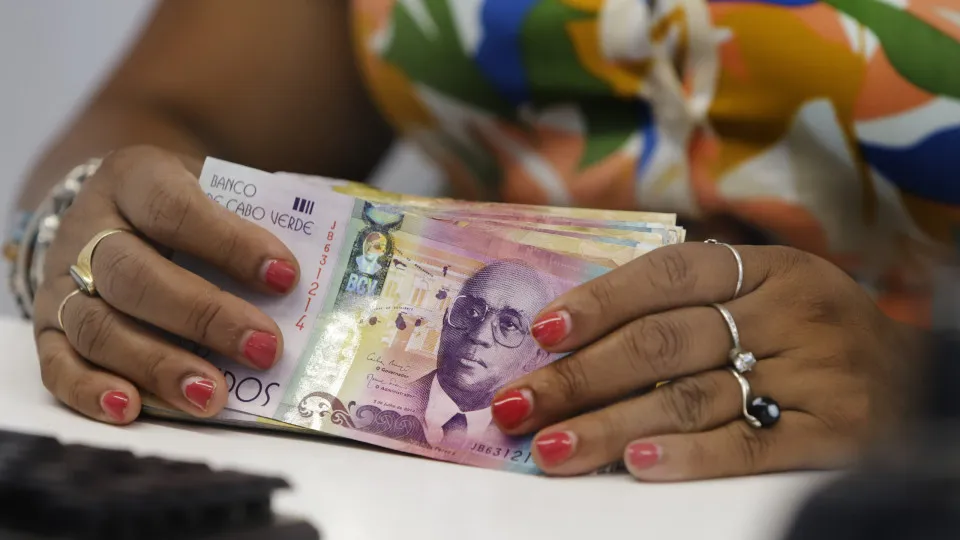
Cape Verde reduced the debt ratio according to Gross Domestic Product (GDP) in the second quarter compared to the previous year, according to the latest statistical bulletin of the Ministry of Finance, consulted today by Lusa.
© Lusa
06/10/2026
by
Lusa
A central government debt declined to 93.1% of GDP in the second quarter, minus 6.8 percentage points than one year earlier.
The global ‘stock’ reaches 101% of GDP, also considering the government’s corporate debt (SEE), even so, falling six percentage points from 2025.
In practice, there is a reduction in relative weight, despite the increase in the nominal value of the global debt stock to 329.4 billion escudos (about EUR 2.9 billion), i.e. more 3%.
The reduction in GDP is accompanied by the increase in the product considered by the Ministry of Finance, from ECU 299,1 billion (EUR 2,7 billion) in 2025 to EUR 326.1 billion (EUR 2,9 billion) this year.
In the same period of 2024, the debt amounted to GBP 302.1 billion (EUR 2.7 billion) and represented 109.2% of GDP (133% considering the ESS).
External debt remained virtually unchanged in nominal terms, at GBP 200,7 billion (EUR 1,8 billion), but its GDP weight fell from 67.1% to 61.6% in a year.
Internal debt has increased by 4.9% from 98.2 billion (EUR 891 million) to Shield 103 billion (EUR 934 million), while GDP weight has decreased from 32.8% to 31.6%.
In the external debt, multilateral creditors concentrated at the end of June 65% of the total.
The approved financial debt of public enterprises increased from 21.2 billion to 25.7 billion escudos (from 192 million to 233 million euros), from 7.1% to 7.9% of GDP.
The Ministry of Finance notes that, in the case of ESS companies, the data cover only the approved financial debt, as the unvalidated component is not yet available.
The total debt service of the Central Government amounted to 18.5 billion escudos (168 million euro) in the second quarter, below the 18.8 billion (170 million euro) recorded one year earlier.