Ceuta entrepreneurs estimate losses of EUR 28,2 million this summer due to lack of tourism and the confidence crisis of consumers and investors.
© Thomas COEX / AFP via Getty Images
21/11/2026
by
Lusa
A ceuta's economy had direct losses of up to 28.2 million euros this summer and continues without tourism and facing a crisis of confidence of consumers and investors, according to the city's entrepreneurs.
“ The direct losses suffered by companies during August may have reached 28,2 million euros and, due to the lack of solutions, this number is growing. Behind these data there are entrepreneurs who saw much of their revenues disappear,” wrote the president of the Confederation of Entrepreneurs of Ceuta (CECE), Arantxa Campos Gorriño, in a quarterly report on the city’s economy, released at the end of October.
In statements to the Lusa agency in Ceuta this week, Arantxa Campos pointed out that after the entry of tens of thousands of people illegally in Ceuta on July 30 – more than 90,000 according to security forces – the impact on the local economy in August, “was very strong”.
In September there were still “large losses” and in October and November “the ‘gap’ of the previous months’ was not so much noticed”, in a city that in the last three years had made a bet on tourism that “was bearing fruit”, with “the summers beginning to be very good”.
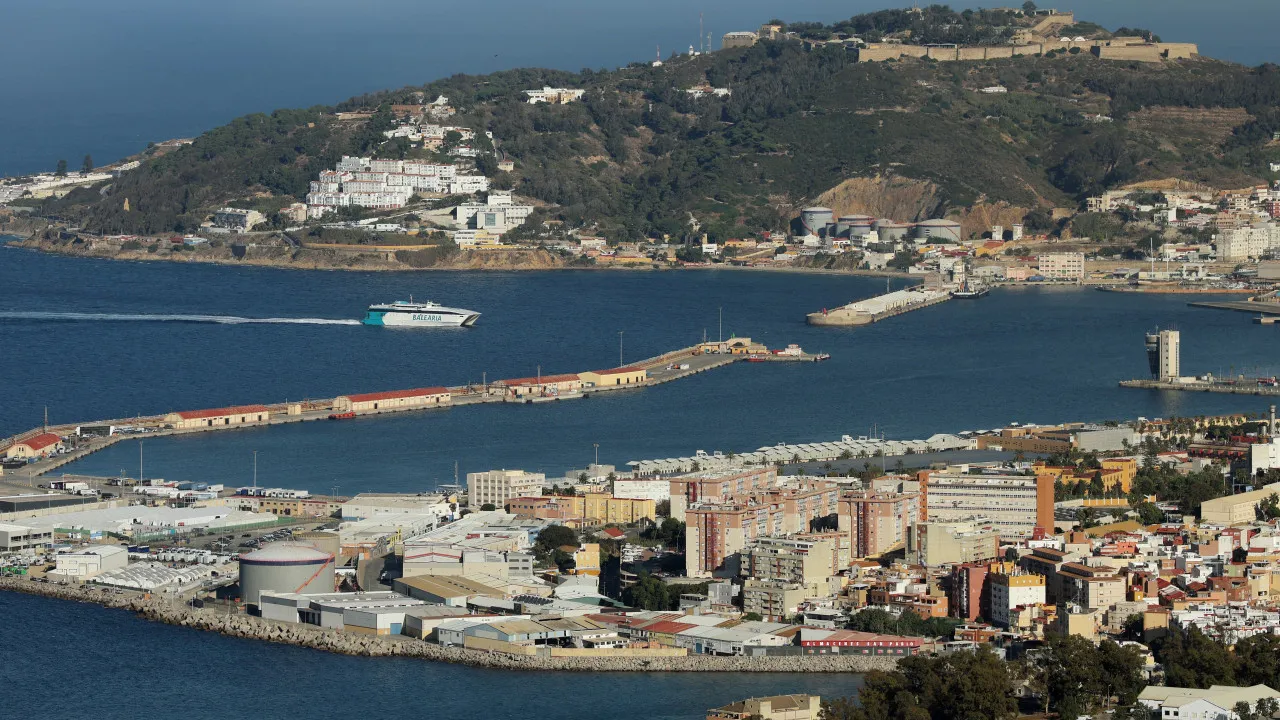
Ceuta, a Spanish enclave in North Africa with about 20 square kilometres and about 83,500 inhabitants, had until the covid-19 pandemic a specific exception within the Schengen agreement, which regulates the movement of people in the European space, which allowed the entry into the city of residents in the neighbouring Moroccan province of Tetuán.
“I wanted to say that 500,000 people could enter”, with a positive impact on trade and the economy, explained the president of ECE.
The closure of the borders with the covid-19 followed the end of this exception and Ceuta “made a great effort” to attract tourism from continental Spain and the rest of Europe.
With what happened at the end of July, visitors stopped going to Ceuta and “tourism does not arrive” to the city today, he revealed.
The greatest impact was and continues to be on consumption associated with tourists, but also that of residents in the city, in goods and services that are not “of subsistence”, in what Arantxa Campos attributes to a break in the trust and optimism of those living in Ceuta.
On the other hand, according to the president of the ECEC, a perception of insecurity among the local population was generated by reports and data of increased crime after the mass entry of July, which, although they were fundamentally episodes among migrants themselves, generated fear.
“They only leave downtown if they leave. And so, at the moment, there is a super crowded center”, while other areas of the city remain empty, with trades and service with few customers, he stressed.
As for hotels, they have high occupations, in a city filled with security forces, military and civil servants called to Ceuta for extraordinary security operations, logistics and bureaucratic immigration processes. There is a part of the restoration and even trade to benefit also from this new context of the city.
“ It will now be Christmas that we will see if people really have confidence again”, said Arantxa Campos, who considered that, however, it would be essential, for there to be a return to some normality, to leave the city most of the thousands of people who entered illegally in July and are still in Ceuta, waiting for the result of repatriation processes or asylum applications.
According to official data, there are 4,500 adults in temporary reception places, such as camps, in this situation, to which more than 4,000 children are added.
The Spanish Government says that there are no more groups of people sleeping on the streets, although residents of the city, associations, non-governmental organizations and the autonomous executive say there are still thousands in this situation, between adults and minors.
“ Yes, it is true that [state] machinery seems to be working now, but it is three months late. They let us die a little throughout the month of August”, defended Arantxa Campos, echoing one of the biggest criticisms, the delay in the response, which have been made to the Spanish Government because of the Ceuta crisis.
At the end of August and early September, the executive created a ministerial coordination to act on the ground and approved a €309 million “shock plan” for Ceuta to respond to the migration and humanitarian crisis in the city and the impact on the economy of the illegal entry of tens of thousands of people.
By mid-October, thousands of people slept in illegal camps on the streets and beaches of the city.
The president of ECE says that this crisis has put Ceuta “on the political agenda” and may therefore be the opportunity for the city to have a recovery plan and eventually be strengthened economically.
In addition to the need to continue working in tourism, to recover the sector and take advantage of the investments of recent years, entrepreneurs ask for “a fact as it was done recently for Gibraltar” in terms of tax rules and the movement of goods, since Ceuta is not currently part of the European Customs Union.