
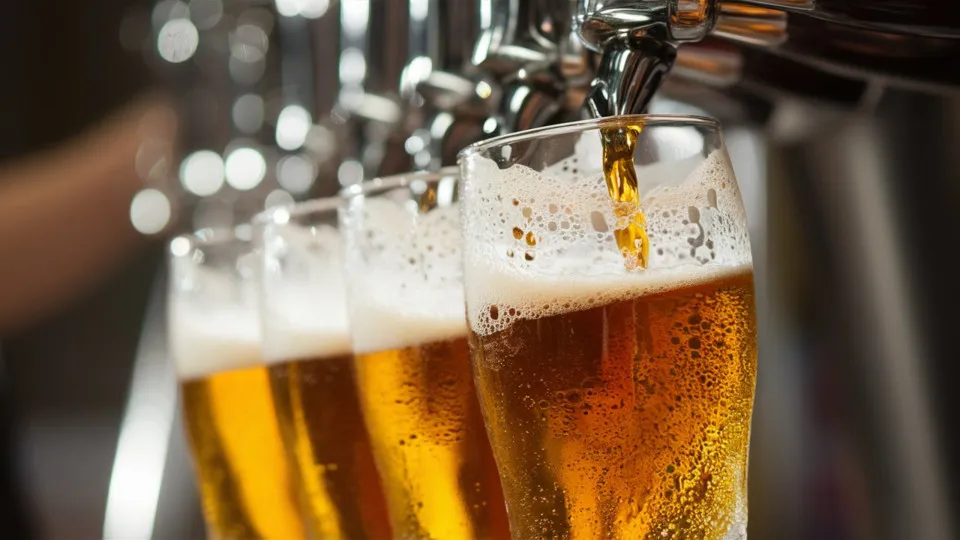
Spain is the largest European market for beer without alcohol, accounting for almost 25% of consumption in the European Union, with an expected growth of 2.7% this year.
© Shutterstock
15/11/2026
by
Lusa
A Spain accounts for almost 25% of the consumption of beer without alcohol in the European Union, with the country assuming itself as the main market for this drink in the Community area and which is expected to continue to grow this year.
On World Alcohol-Free Day, an initiative by the World Health Organization (WHO) that is being marked today, the EFE agency said that sales volume should increase 2.7% compared to 2025, given a fall of 1.5% of conventional beer.
This is a trend that has been evident in recent years, since the sales of beer without alcohol have accumulated a growth of 12.8%, compared to the previous two years, it has advanced a company that analyzes consumer behaviour in the country.
According to the Spanish brewers, 44.7% of Spaniards consider themselves to be consumers of non-alcoholic beer and 90% of those who consume it also drink or drink traditional beer.
The wine-free market is also growing in the country, although it is still far from traditional wines.
The president of the Spanish Wine Federation (FEV), José Luis Benítez, advanced that the absolute consumption figures in Spain are still reduced, compared to the traditional wine sale, which reaches 900 million liters.
However, it specified that alcohol-free options are experiencing “very high” annual growth, predicting that by 2029 consumption will increase by two million litres, reaching five million.
Although there is the conviction that the current generation of young people consumes less alcohol, the representatives of the association that brings together the owners of night establishments claim that the decrease in consumption is related to demographic factors and the frequency of night leaves.
They support this claim that, in 2000, the population aged 15-29 represents 23% of the Spanish population, while in 2025 this figure fell to only 15.9%, and this age group also reduced its monthly output by 25%.