
The state of Florida reports more than 250 cases of dengue fever and one death since the beginning of the year, which is the largest outbreak of this disease in the United States in over a decade.
© Shutterstock
05/10/2026
by
Lusa
Sfollowing data released today by the Department of American Health, cited by the Spanish news agency EFE, Florida registered 252 local cases until September 26, to which are added 245 imported cases, i.e. travelers who contracted the disease elsewhere.
The outbreak is about to surpass the 264 local cases registered by Hawaii for six months between 2015 and 2016, and may record the highest number of virus infections in the continental territory of the United States since the 1940s, NPR's local branch, the national public radio, said.
It was declared a state of emergency in three counties of Florida – Pinellas, Pasco and Hillsborough – the last epicenter of the outbreak, with 223 of the local cases.
Tampa City, Hillsborough County, registered a month ago the first death of the year by dengue fever in Florida, an 80-year-old woman who had been bitten by a mosquito.
This dengue outbreak deserved national attention because, although it is common in territories such as Puerto Rico and the Virgin Islands, cases are more limited in continental states such as Florida, Texas, Arizona and California, according to the Centers for Disease Control and Prevention (CDC) of the United States.
The cases recorded globally amounted to 14.6 million in 2024, against the 505,000 registered in 2000, according to the World Health Organization (WHO), which warns that about half of the world population is now at risk of contracting the virus.
The WHO also appealed last month to countries affected by the El Niño phenomenon — which implies warmer than usual waters in the Pacific — to strengthen disease surveillance, as this phenomenon can promote the transmission of diseases by mosquitoes, such as dengue, malaria and Zika, even in previously unaffected areas.
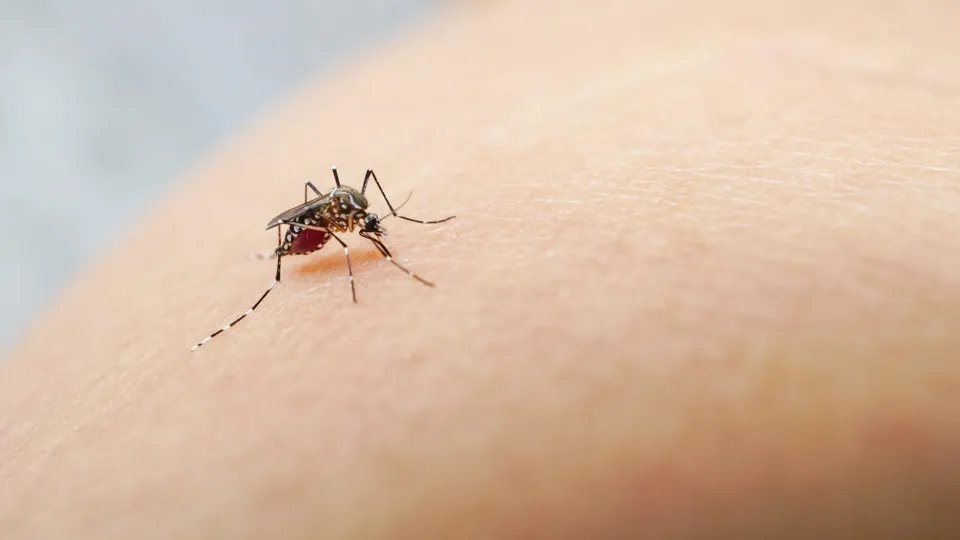
The dengue, transmitted by the mosquito bite ‘Aedes aegypti’, which is not transmitted from person to person, causes fever and intense muscle and joint pain, symptoms that may arise up to 14 days after the bite.