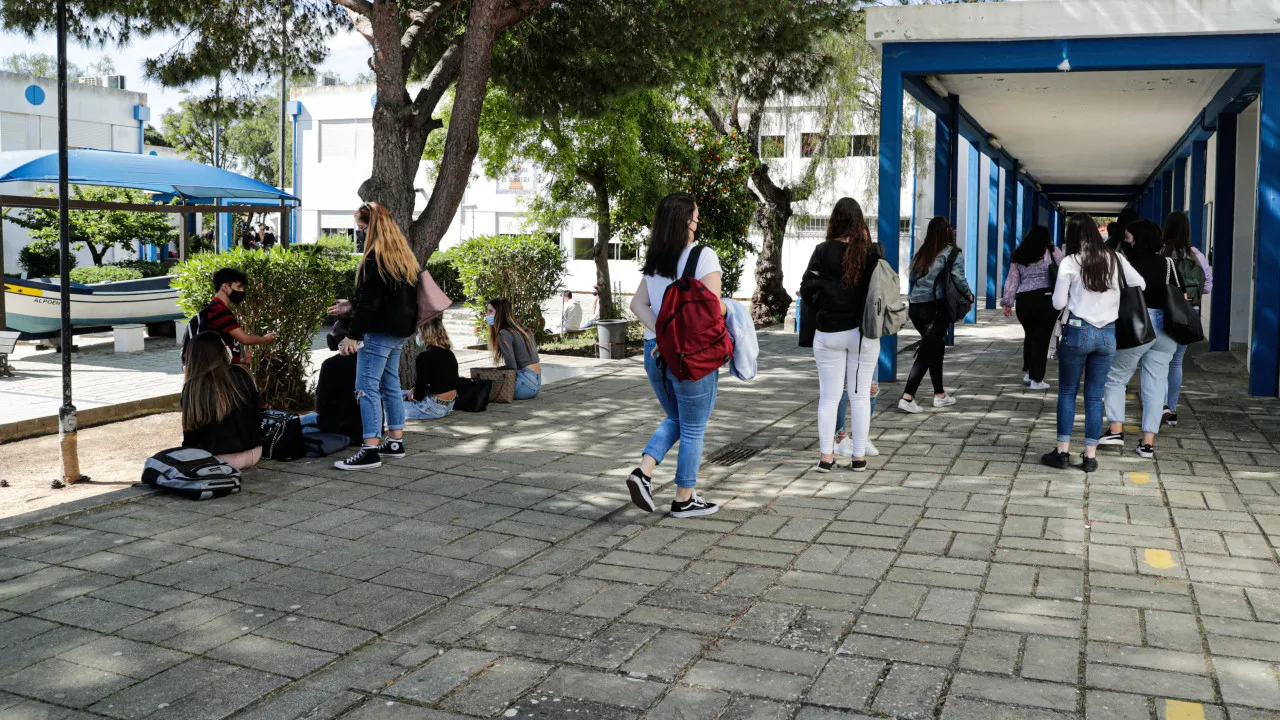
The coordinator of the Information and Victim Care Office (GIAV) today warned about normalizing violence among young people and the dissemination of aggressions on social networks, defending an early prevention involving families, schools and community.
© Lusa
18/11/2026
by
Lusa
A coordinator of the Information and Victim Care Office (GIAV) today warned about normalizing violence among young people and the dissemination of aggressions on social networks, defending an early prevention involving families, schools and community.
In statements to the agency Lusa, regarding the case of aggression among students at the Delfim Santos school in Lisbon, Iris Almeida stressed that he does not know the contours of the situation, having only accompanied the information disclosed by the media.
Nevertheless, it considered that there is a broader phenomenon that should concern society. “What are we watching right now? It is, in fact, the normalization of violence”, he said, arguing that it is essential to strengthen prevention from childhood, through articulated work between families, schools and community, to combat this situation.
One of their concerns is the dissemination of images of aggressions in a school context, which are recorded and shared on social networks, warning that exposure to these contents can lead children and young people to reproduce violent behaviors.
The psychologist also warned of social media phenomena that encourage misogynistic behavior and violence in the school context. “This also leads children and young people to replicate these behaviors,” he said.
According to Iris Almeida, the answer is to work with the younger ones not only the behaviors they must avoid, but also in healthy and positive relationships, a responsibility that cannot be exclusive to school or family.
“ It is very easy for society to blame the school or blame the family ", observed, defending an articulated work between these structures and the community.
Among the warning signs that parents, teachers and educational community should be alert, the responsible pointed out isolation, loneliness, manifestations of sadness and an unexpected decrease in school performance.
He also pointed out situations of bullying, both on the side of the victims, but also of the aggressors, as well as suicidal ideation and self-lesive behaviors, including self-mutilation, as possible indicators of vulnerability situations.
Prevention should undergo actions in schools on bullying, dating violence and other phenomena of violence, including the identification of risk factors and vulnerabilities of victims.
Iris Almeida also considered it essential to strengthen the training of teachers and operational assistants and highlighted the role of the Safe School, the PSP, in raising awareness of the phenomena of violence and the dangers of social networks.
The responsible explained that the GIAV mostly follows domestic violence situations, which represent about 90% of its activity, under the protocol established with the section specialized in this area of the Lisbon Research and Criminal Action Department.
Although it also responds to other requests of the Public Prosecutor, particularly related to sexual abuse and violence, the cabinet does not have as its specific area of intervention the monitoring of bullying situations or school violence, it maintained.
Still, Iris Almeida said that in the follow-up of domestic violence processes, they sometimes encounter children and young people who face other problems, such as mental health issues, bullying and violence in the school context.
In some situations, these young people may also begin to exhibit aggressive behavior, he said, not to mention that he is not establishing any relationship between these realities and the case of the Delfim Santos school.