
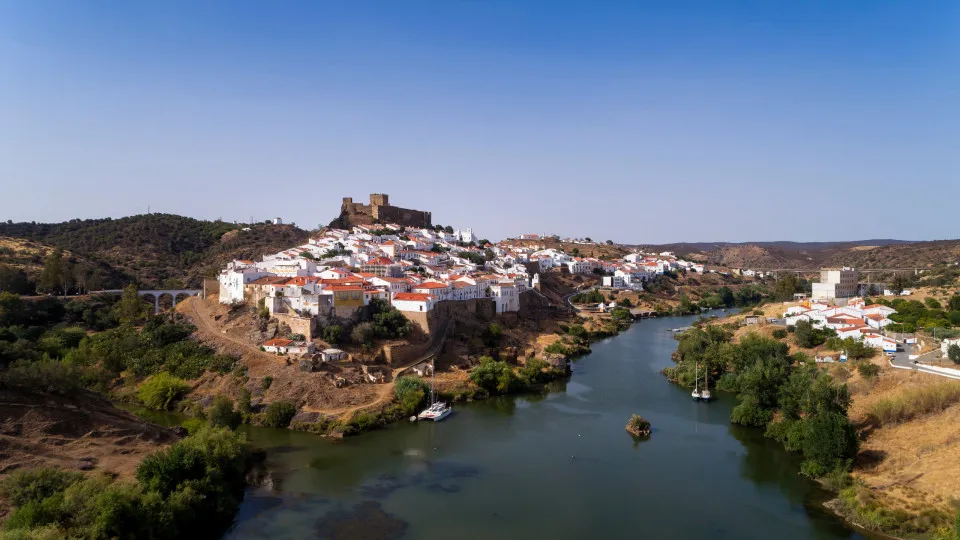
Grândola will celebrate the legacy of the singer and author Adriano Correia de Oliveira with the presentation of a book and a musical show, under the initiative “Baladas de Esperança”.
© Shutterstock
09/11/2026
by
Lusa
O legacy of singer and author Adriano Correia de Oliveira will be celebrated in Grândola, in the district of Setúbal, with the presentation of a book dedicated to his work and a musical show.
The initiative entitled “Baladas de Esperança” is promoted by the Observatório da Canção de Protestação and will take place this Saturday at the Cine Granadeiro – Municipal Auditorium, from 16:00, with free entry.
The evocative session begins with the presentation of the book “Adrian: The Work”, by author Otávio Fonseca and journalist Pedro Tadeu, who will focus on the publication that analyzes Adriano’s work, “from the perspective of those who studied his career”.
Adriano Correia de Oliveira is considered “a pioneer in the renewal of Portuguese popular music, alongside names like José Afonso, Fausto Bordalo Dias or José Mário Branco”, highlighted the Municipality of Grândola in community.
Through his songs, “he confronted the New State and subsequently celebrated the conquests of April 25, 1974,” he added.
The program continues at 5:00 p.m. with a concert by fadista Duarte, born in Évora and winner of the Carlos Paredes award, which will present “a repertoire influenced by traditional fado and contemporary lyrics”.
During the concert, the musician will be accompanied, in some moments, by the Coral Group “Vila Morena”, with some “more emblematic” interpretations of Adriano Correia de Oliveira.
The Observatório da Canção de Protestão results from the partnership between the municipality of Grândola, the Associação José Afonso, the Sociedade Musical Fraternidade Operária Grandolense and various institutes of the Faculdade de Ciências Social e Humanas da Universidade Nova de Lisboa.
This body is dedicated to the study, safeguarding and dissemination of the tangible and intangible musical heritage of the protest song produced during the 20th and 21st centuries with the realization of various cultural initiatives.