
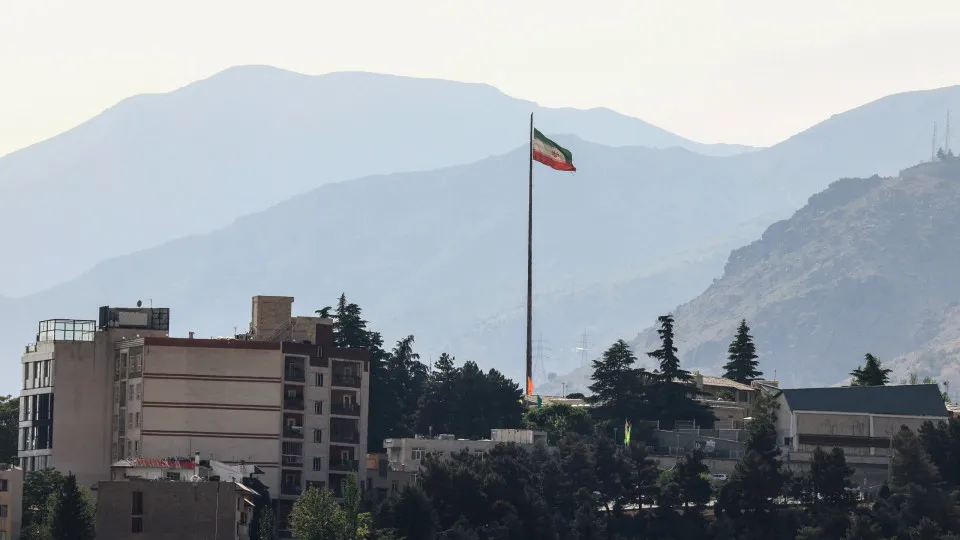
Iran is considering proposals made by mediator Qatar with the aim of resolving disagreements with the United States on the Tehran nuclear programme, two government officials from the Middle East have today advanced.
© ATTA KENARE / AFP via Getty Images
06/11/2026
by
Lusa
O Iran is examining proposals made by mediator Qatar with the aim of resolving disagreements with the United States on the Tehran nuclear programme, two Middle East government officials have today advanced.
The expectation in the region is that both sides may be moving towards indirect negotiations on one of the most complex issues, something that, according to American President Donald Trump, needs to be resolved as part of any agreement aimed at ending the conflict, which has lasted for more than eight months.
However, one of the authorities cited by the Associated Press (AP) has stressed that the Iranians, at least for the time being, are not prepared to negotiate with the Trump administration on their atomic activities, unless the US accepts several key conditions that Iran requires to form part of any ceasefire agreement.
The electoral setback in the US mid-term elections by the Republicans, who lost control of both chambers of Congress, was partly driven by the voters' dissatisfaction with Trump's conduct of the conflict and the rise in fuel prices, a consequence of the war that affected virtually all sectors of the global economy.
Trump has today, in statements to journalists, addressed that the mediators' discussions with Iran continue.
“ We're talking to Iran. We have been talking,” Trump said, insisting that the US Armed Forces maintain control of the conflict against a weakened Iran.
Tehran insists, however, on several compromises by the US, demands that Trump rejected in the past.
Among the main requirements Iran claims to need to be met before initiating nuclear negotiations are the end of the US blockade to Iranian ports, the suspension of sanctions, the thawing of its assets, the payment of compensation for war damage and the closure of hostilities throughout the region, including Israeli operations in Lebanon.
Mediators and Iran discussed a possible interim agreement to prepare the ground for future negotiations on the Tehran nuclear programme, according to the authorities of the region who spoke under anonymity.
The same sources added that the proposal, recently presented to both parties by the catari mediators, provides for the implementation of confidence building measures over two days.
These measures include the end of the blockade imposed by the US and the release of part of the billions of dollars in frozen Iranian funds, resources retained over the years under an American campaign to isolate Iran due to its nuclear program.
On the other hand, Tehran would allow inspectors of the International Atomic Energy Agency (IAEA) access to facilities that were bombed by the US and Israel, according to the authorities.
On the second day, Iran would reopen the Strait of Ormuz following a modified agreement negotiated between Iran and Oman but not yet approved by the United States.
According to the authorities, this mechanism would be temporary until a definitive agreement on the strait is reached in cooperation with other Gulf countries.
Following the implementation of these measures, the US and Iran would start comprehensive negotiations to address the Iranian highly enriched uranium reserve as well as other aspects of their nuclear programme, added the authorities.
A number of diplomatic phone contacts have been made in recent days between the leaders of the Persian Gulf and other regions, with the aim of mitigating tensions in the area, while concerns grow that Trump may still be able to order the US military to carry out further attacks on Iran.