The U.S. State Department has renewed alerts to citizens in Bahrain and Saudi Arabia due to increased tension with Iran and Huthis attacks.
© Reproduction
18/11/2026
by
Lusa
O U.S. State Department today renewed warnings to its citizens in Bahrain and Saudi Arabia about the risks associated with the conflict with Iran and the attacks of the Huthis rebels in Yemen.
Reiterating the warnings issued in October, the State Department urged US citizens to maintain “greater surveillance” after Bahrain announced today that it had repulsed new Iranian air strikes.
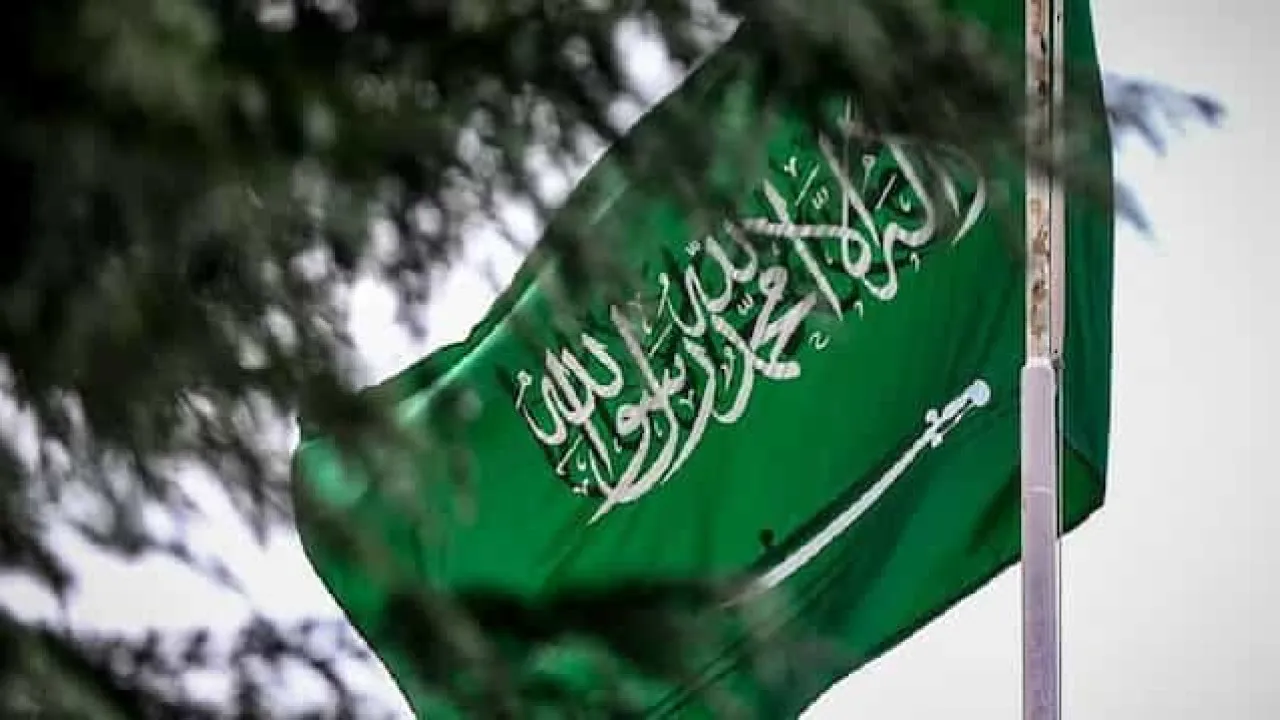
Saudi Arabia, which has been targeted in recent months by attacks by the Huthis allies of Tehran, has today reported the interception of two missiles and two drones.
Iran today aimed at a U.S. air base in Kuwait and launched several attacks against Bahrain, following U.S. bombings the day before on Qeshm Island in the Strait of Ormuz.
The United States has meanwhile denied that Iranian drones have hit the U.S. military radar system in Bahrain, stating that the devices have been intercepted without causing damage or injury.
“It’s a fake,” said U.S. Central Command (Centcom), in response to Iran’s Islamic Revolutionary Guard’s claim that their drones would have hit an American radar system.
After about two months without attacks, Iran has repeatedly shot U.S. facilities in Bahrain in recent days.
The small island kingdom of the Gulf houses the 5th Fleet of the United States Navy.
The increase in confrontation takes place at a time when Centcom commander Brad Cooper met today in Tel Aviv with Israel's army chief Eyal Zamir and the director of the external intelligence service (Mossad), Roman Gofman.
The Israeli press has reported that, despite their denials, Israel's outgoing prime minister, Benjamin Netanyahu, sought to attack Iran shortly before and after the laws in his country on 27 October, which gave a majority to the Arab forces and opposition and parties, but which was fought by the head of the armed forces.
The risk of military escalation has increased in recent days, almost nine months after the start of the war launched by the United States and Israel against the Islamic Republic, and complicates negotiations for a diplomatic solution, which are stagnant despite Qatar's mediation efforts.
American President Donald Trump has been sending contradictory messages about his next steps, stating that new attacks are highly unlikely, while sending a third carrier and thousands of additional soldiers to the Middle East.
Although military protection in the United States has helped restore Gulf oil shipments, Iran continues to attack oil tankers in the Strait of Ormuz, placed under military threat by Iranian forces since the beginning of the conflict, affecting trade in 20% of the hydrocarbons transiting through this passage before the war.
The reopening of the Ormuz Strait is one of the central demands of the United States to end the war, along with the end of the Iranian nuclear program for alleged military purposes.
Tehran demands that Washington thaw Iranian assets abroad and suspend economic sanctions, as well as the naval blockade it has maintained since summer to the ports of the Islamic Republic.