
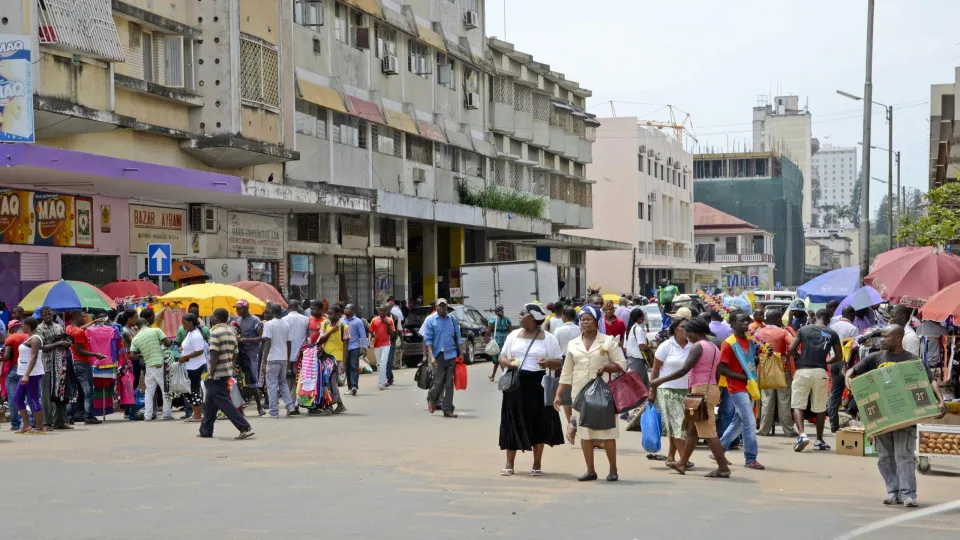
Mozambique doubled the victims of human trafficking identified and increased investigations and charges in 2025, according to the U.S. State Department, which points out that the country continues to meet minimum standards of protection.
© Lusa
09/10/2026
by
Lusa
Moçambique doubled the victims of human trafficking identified and increased investigations and accusations in 2025, according to the U.S. State Department, which points out that the country continues to meet minimum standards of protection, despite recognizing improvements.
In the annual report on human trafficking of 2026, released Thursday, the United States State Department maintained Mozambique in Tier 2 classification, reserved for countries that do not fully meet the minimum standards for eliminating the phenomenon, but make significant efforts to combat it.
The document concludes that the Mozambican Government has shown “growing efforts” in the last year: “The authorities have shown overall an increase in their efforts compared to the previous evaluation period.”.
It adds that the Mozambican authorities identified 128 potential victims of human trafficking, more than twice the 57 signaled in the previous period, while investigations increased from five to 12 cases. The number of suspects accused rose to five after no charges were filed in the previous cycle.
The report also highlights the strengthening of the training of police, prosecutors and magistrates, as well as the adoption of more proactive research methods, including the use of signal intelligence and monitoring of financial flows to identify criminal networks.
It also points out that the authorities have also begun the creation of a specialised unit for the investigation of trafficking in persons in the Ministry of Justice.
However, despite the progress noted, Washington considers that the country remains unfulfilled with essential requirements in the area of victim protection, pointing out shortcomings in identification, referral mechanisms and assistance services.
Although investigations and charges have increased, Mozambique has not registered any convictions for human trafficking during the period under review, after reporting three convictions in the previous cycle.
The US also criticizes the lack of national mechanisms for identifying and referring victims, pointing out that the government “did not approve national procedures for identifying, referring and assisting victims.”.
“ Support for victims remained inadequate, especially for adults, and the Government relied on non-governmental organisations and international organisations to provide most of the assistance to victims of human trafficking,” the report adds.
According to the document, Mozambique still does not inform how many victims were referred for assistance for the third consecutive year and only has a temporary shelter for children, with no permanent specialized centers for victims of human trafficking. Civil society organisations mentioned in the report also mention significant gaps in psychological support, especially in rural areas.
Among the cases highlighted are the repatriation of 16 Mozambican citizens, including two women and 14 men, recruited fraudulently for Laos, where they were exploited in computer fraud operations.
The report warns of the growing use of social networks by traffickers to identify and enlist victims.
According to the document, false job offers remain among the most widely used methods, and blackmail cases are also reported through intimate photographs and personal data obtained on the Internet.
The State Department relates the persistence of armed conflict in Cabo Delgated by increasing vulnerability to human trafficking, recognizing that armed groups continue to recruit children, using some as combatants, cooks or forced workers, in addition to exploiting women and minors in situations of sexual slavery.
Among the forms of exploitation identified are forced child labor in agriculture, mining, fishing, walking sales and domestic work.