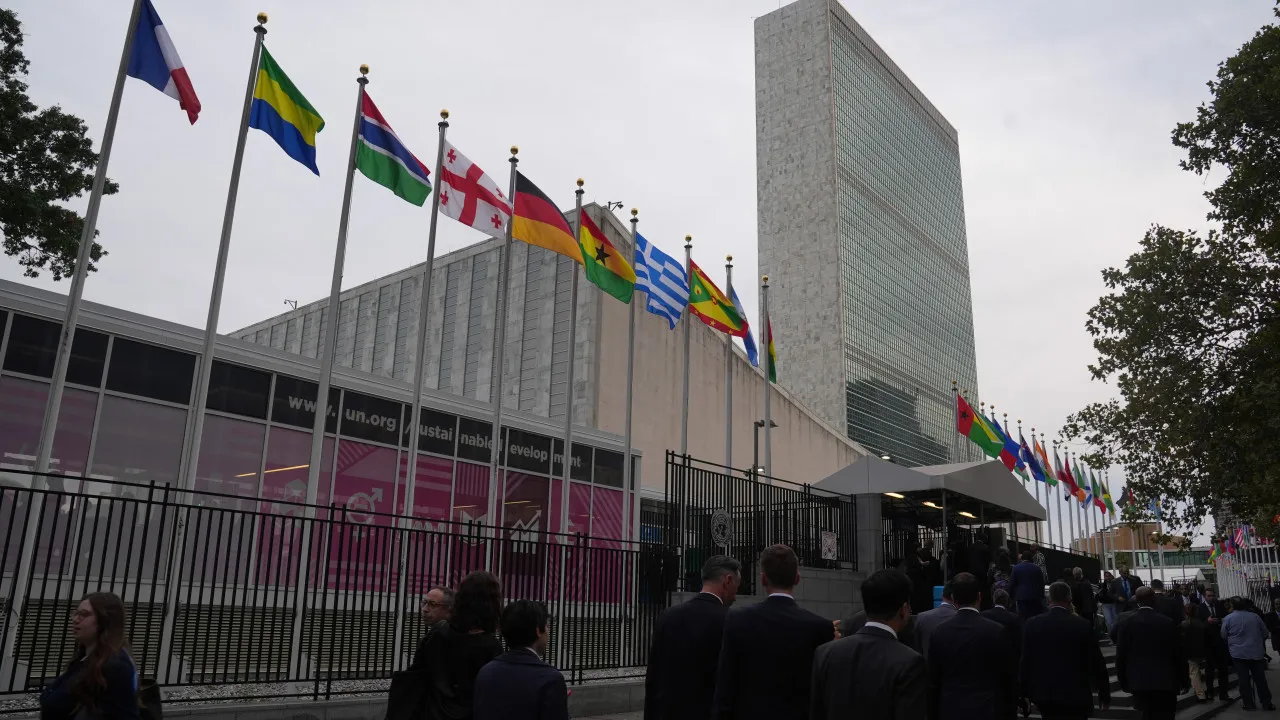
The UN initiated a process of regulating autonomous weapons systems after five days of discussions in Geneva with the aim of creating an international instrument that could restrict the use of these technologies.
© Mehmet Eser/Anadolu via Getty Images
21/11/2026
by
Lusa
Ocountries meeting in Geneva for a UN conference on the “murder robots” reached agreement today, after five days of discussions, to pave the way for possible international regulation of the use of autonomous weapons systems.
The 128 States participating in the conference to review the Convention on Certain Conventional Weapons “have agreed to start the preparation of an international instrument on lethal autonomous weapons systems, which is expected to take place over the next two years,” the conference president Julien Thöni told journalists.
Although most States have been in favour of a legally binding agreement, the countries that have this technology, namely the United States and Russia, are opposed to this agreement.
Future discussions should clarify “what weapons can be banned in the light of international humanitarian law and which are not prohibited but can be regulated,” Thöni revealed to AFP.
The Swiss diplomat indicated that some countries opposed the term “negotiating”, but eventually accepted the word “working”.
The NGOs that closely monitor the discussions considered that the result fell far short of expectations.
“ States have adopted a diluted mandate that does not really pave the way for a legally binding instrument,” said the Stop Killer Robots (SKR) coalition.
“ The technology of autonomous weapons, including artificial intelligence (IA) in the target identification cycle, is being used on the battlefield,” said Nicole van Rooijen, executive director of SKR.
“ Postponing the creation of a legally binding instrument endangers civilians and humanity,” he added.
Verity Coyle, deputy director of the Human Rights Watch (HRW) weapons program, found the result disappointing. “It does not provide for the urgent measures necessary to reach agreement on new rules, at a time when technology is moving forward,” he said.