UN experts argue that freedom of association does not require prior authorization from the State and cannot be restricted by laws on foreign financing.
© Mehmet Eser/Anadolu via Getty Images
19/11/2026
by
Lusa
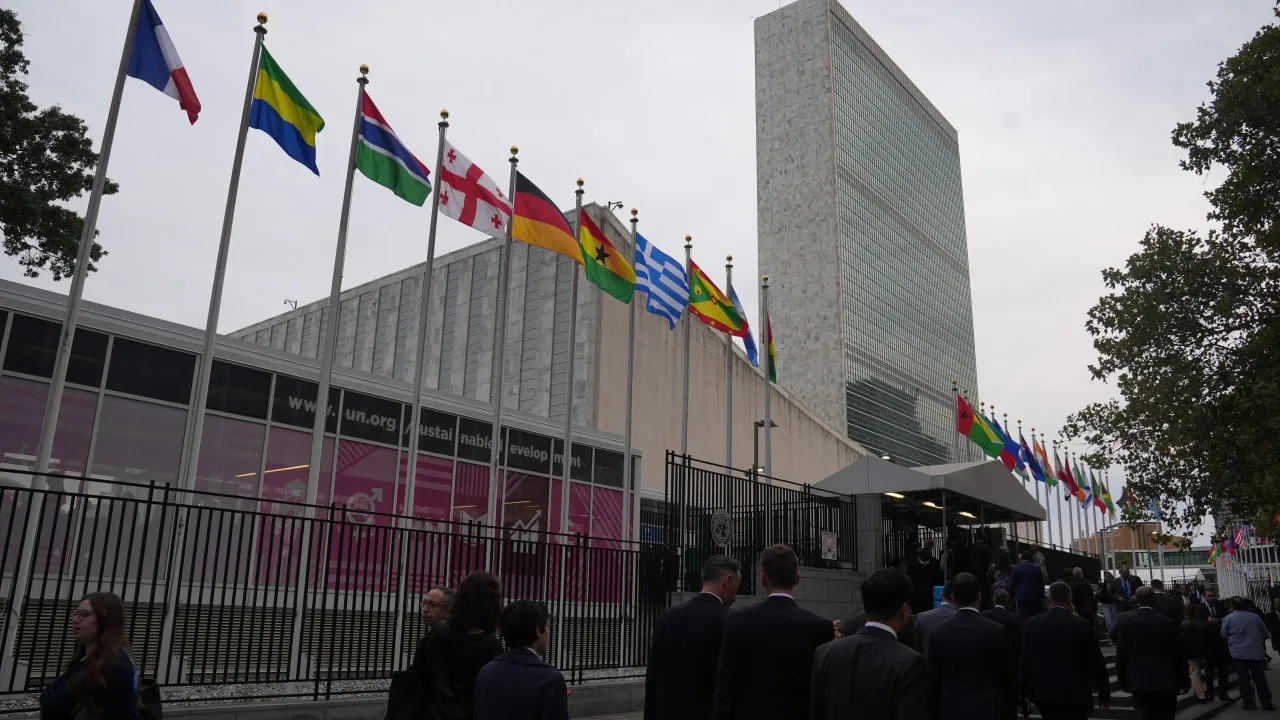
A freedom of association, increasingly threatened in several countries by state repression, does not require prior authorization from the State and cannot be restricted by the laws on foreign financing, today they have defended experts from the United Nations.
The UN Human Rights Committee published guidelines on freedom of association, stressing that this is a fundamental right “indispensable to human dignity”, which allows people and communities to express themselves collectively.
In view of the increased number of cases in which organisations, associations and other institutions are dissolved for alleged illegality, committee experts reiterate that this right is “not conditional on the authorisation or recognition of a State”.
“No prior authorisation is required to enjoy and exercise this right”, and “the simple act of joining or being a member of an unregistered association should not be criminalised or punished,” the committee argues.
Another frequent reason for the persecution of associations, for example in countries such as Russia or Nicaragua, is the assumption that “foreign agents” finance a particular organization.
The Committee further clarifies that the demand for resources outside the country is also legitimate.
The International Covenant on Civil and Political Rights, whose compliance is monitored by the Committee, “protects the right to seek, obtain, receive and use funding and other material resources, including those from abroad,” the Directive states.
“It also covers the right to operate freely across borders and to access international cooperation with other actors without the risk of being labeled ‘foreign agent’ or receiving any similar label, or of being considered a threat to national security,” he adds.
Consisting of 18 independent experts elected by the Pact States, the Committee further alerts against the misuse of anti-terrorist or national security legislation, as well as vaguely drafted laws with alleged objectives to combat “extremism” or even “desirable”.
The document adds that the right to freedom of association implies the protection of organizations with ideas and activities that do not have the approval of public authorities, including those that “could be considered controversial, dissident or divergent”.
This includes peaceful actions of collective civil disobedience.
Although the committee does not mention specific examples of governments with high levels of repression of freedom of association, UN human rights committees have denounced cases in countries such as Nicaragua, Venezuela, Russia and virtually non-existent civil society in regimes such as North Korea.
UN human rights experts, non-governmental organisations and other actors have also expressed concern about the persecution of certain organisations in democracies, such as groups supporting the Palestinian cause in European countries.
In the 22-page document, the Committee also warns of the growing vigilance of associations, including by digital means, and of the infiltration of police or intelligence agents into them — a practice incompatible with the pact.
At the same time, it emphasises that among the most vulnerable groups to the persecution of associations are indigenous peoples, African descendants, religious and ethnic minorities, people living in occupied territories, women, children, the LGBTI community, people with disabilities, people living with HIV, trade unionists, human rights defenders and political opposition in some countries, among many others.
“Saving freedom of association, including in emergency contexts, is an essential requirement for the democratic character of any society and for the protection of an open, pluralistic, inclusive and diversified civic space,” he concludes.