
The environmental organization WWF Portugal today highlighted the “signs of change” in the country in the area of nature recovery, but warned for “significant challenges”, one of them the excessive dependence of fossil fuels on transport.
© Lusa
08/10/2026
by
Lusa
O balance is made in the portuguese edition of the executive summary of the Planet Vivo Report 2026, a biennial publication of the WWF (World Wide Fund for Nature) that this year is entitled "Science and Hope" and that says that 73% of the monitored species are in decline.
The report points out cases of recovery of species, with figures indicating that there was a stabilisation in relation to the report of two years ago, and that many species did not decrease and even increased.
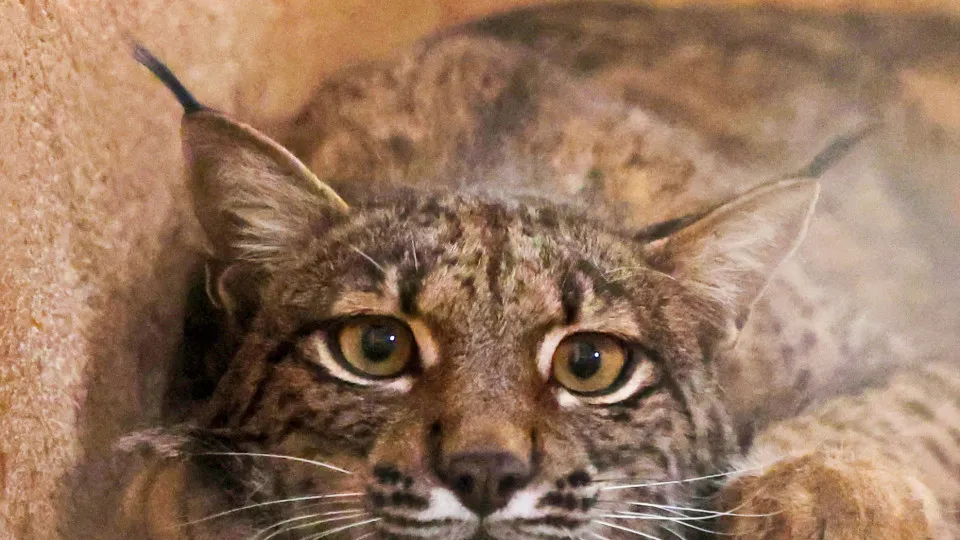
WWF Portugal refers as positive the return of the Iberian lynx, the recovery of bluefin tuna populations and the recovery of sardine abundance. This shows that “public policies, science, proper management and concerted action can produce results”.
The environmental organisation also stresses that there is progress in the energy transition, with data from 2024 indicating that renewable energy represented 36.5% of gross final energy consumption and 65.8% of electricity production.
“ The Portuguese case thus reinforces the message of central hope of the Planeta Vivo Report: the solutions exist and are already producing results, but it is necessary to accelerate its implementation, eliminate harmful incentives and ensure that energy, food and financial transitions protect both nature and people" says, quoted in the document, the executive director of WWF Portugal, Angela Morgado.
But there are negative aspects. WWF, in addition to the issue of transport, talks about energy poverty and the limitations in the electricity network, or the need to transform the food system, because it also favors production and consumption with significant impacts on climate and nature. Or the existence of a financial sector where the integration of the risks associated with nature and biodiversity remains insufficient.
Challenges that climate change makes more urgent.
“ Between 1980 and 2024 Portugal has recorded estimated economic losses of €17,7 billion due to extreme weather and climate events”, he recalls.
“Fires, droughts, coastal erosion and floods pose increasing risks to people, the economy and ecosystems,” he warns.
WWF considers that the forthcoming UN conferences on biodiversity and climate (COP17 this month in Erevan and COP31 in November in Turkey, respectively) represent an opportunity to transform commitments into reality.
Recalls that the Living Planet Report comes at a time when the European Commission continues to move forward with “changes that could weaken the European Union’s environmental legislation that protects nature, water and healthy ecosystems” and that help the continent adapt to extreme climate phenomena, all in the name of “enhancing competitiveness”.
The Living Planet Report “is another alert for Europe. It is time to strengthen the solutions that help nature to recover, rather than weaken the safeguards we need so much,” said Angela Morgado.