
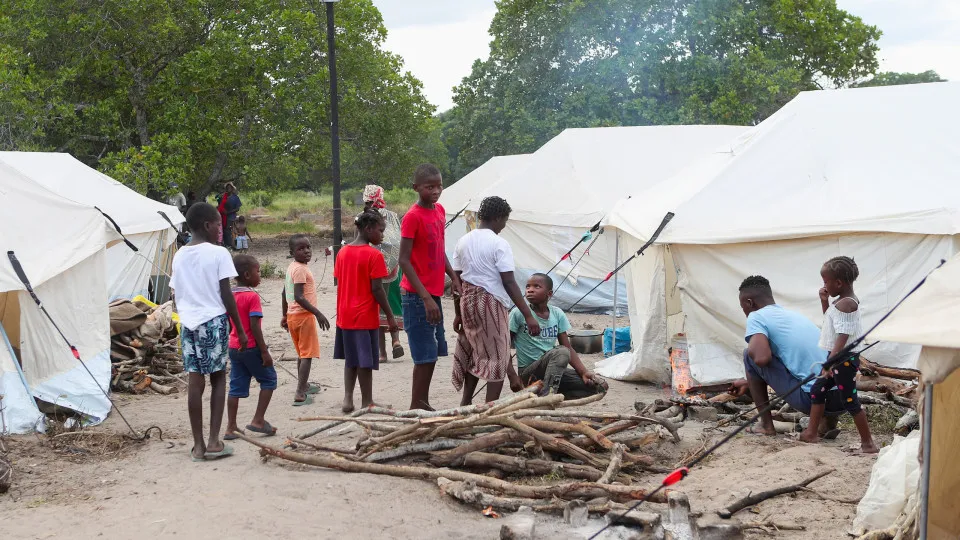
Lack of food and shelter dominate the concerns of displaced people and returnees in Mozambique, at a time when only 30% of the situations reported through humanitarian mechanisms were resolved, according to official data.
© Lusa
07/10/2026
by
Lusa
Aconclusions are contained in a study by the United Nations High Commissioner for Refugees (UNHCR) on the second quarter of this year, released today, which examined information collected between April and June in ten countries of East and Southern Africa, where Mozambique contributed with 4.570 interactions of communities affected by forced displacement, corresponding to 9.2% of the regional total.
According to the report “Regional Community Feedback Analysis”, most records were related to requests for assistance and services, which represented 2,882 of the interactions collected in the country, following requests for information, with 894 cases.
Among the main concerns identified in the study are food security and nutrition, with 748 occurrences, access to shelter and non-food goods, with 741, issues related to registration and documentation, with 580, and problems related to water, sanitation and hygiene, with 517 cases.
“Most requests for assistance and services in Mozambique were related to food, shelter and basic support,” says the analysis, which identifies these areas as the most frequently reported needs by communities.
The data also show weaknesses in the ability to respond to the requests received, as only 30% of the cases reported in Mozambique were recorded as resolved, much lower than the regional average of 62%.
According to the document, the different feedback collection and management mechanisms in the country continue to function “widely autonomously”, making it difficult to monitor the cases and to harmonise the responses provided.
The report therefore recommends further integration of complaints management systems and requests for support, as well as strengthening the referral and monitoring mechanisms to improve the resolution rate.
The analysis also shows that returnees represented the largest group of users of feedback mechanisms in Mozambique, with 51.6% of interactions, followed by internally displaced people, responsible for 31.8% of registered contacts.
The predominance of internally displaced people and returnees among users of these mechanisms reflects the continued impact of the crisis in Cabo Delgado, northern Mozambique province, affected since October 2017 by attacks by insurgent groups, which caused more than 1.2 million displaced people and around 6,600 deaths, according to international organizations, triggering a prolonged humanitarian crisis.
Women accounted for 61% of the users of these mechanisms in the country, above the regional average, including 21% over 60 years of age, the highest percentage among the ten States covered by the study.
Mozambique also registered the highest number of formal complaints among the countries examined, with 244 cases, exceeding the totals recorded in Ethiopia and South Sudan.
At regional level, the report concludes that food insecurity, economic difficulties and the combined effects of armed conflicts and climate shocks continue to dominate the concerns of communities affected by forced movements.
The document also points out that access to livelihoods, documentation and basic services remains one of the main challenges for refugees, internally displaced and returnees in the ten countries under review, despite some progress in the processes of return and Community integration.