
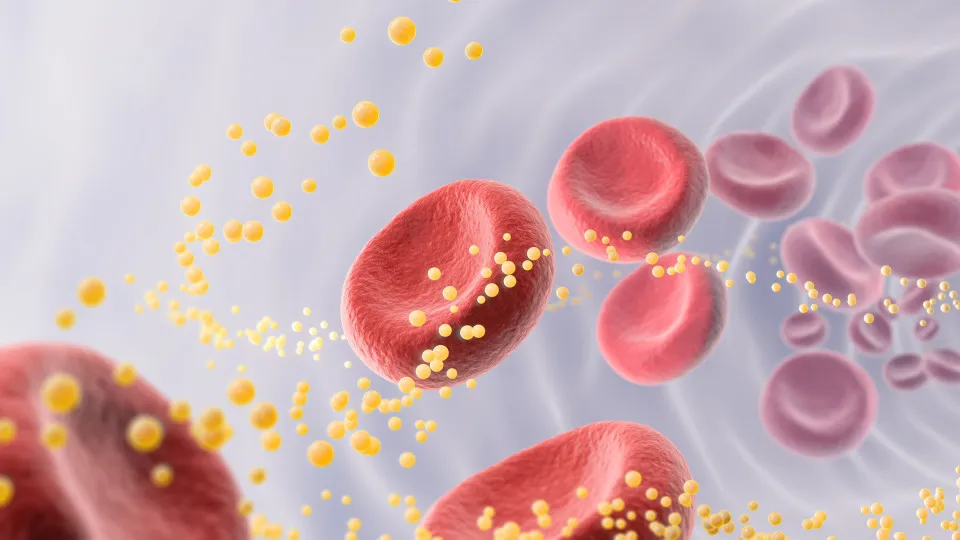
A healthy lifestyle is essential to maintain healthy cholesterol levels. In this regard, habits are fundamental, especially those related to food. Be aware of seven mistakes you should avoid when it comes to cholesterol.
© Shutterstock
12/11/2026
by
Odaily habits can make all the difference when the goal is to lower cholesterol. In view of this, Health highlights seven mistakes that are usually made.
1. Consuming too much saturated fat
Saturated fats are a type of food fat found in animal foods and some oils.
Excessive consumption of saturated fat may raise LDL cholesterol (bad cholesterol) and increase the risk of heart disease.
Examples of saturated fat-rich foods:
- Beef;
- Pork;
- Birds with skin;
- Butter;
- Cheese;
- Fried.
Choose to replace these foods with alternatives rich in unsaturated fat, such as olive oil, which are better for heart health.
2. Do not consume enough soluble fiber
Soluble fiber is a type of fiber that dissolves in water and forms a gelatinous substance in the digestive tract.
This can help reduce cholesterol by reducing the amount absorbed by the digestive system.
Some fibre foods:
- Oats;
- Beans;
- Lentils;
- Beans;
- Apples;
- Bananas;
- Oranges;
- Pears;
- Dried plums.
3. Failure to exercise
Lack of physical activity may contribute to increased cholesterol. Regular exercises can help reduce both LDL cholesterol and triglycerides, a type of fat in the blood. Adults should practice at least 150 minutes of moderate-intensity physical activity per week.
You can choose to walk at a faster pace, ride a bike, climb stairs, etc.
4. Consume more alcohol than recommended
Studies suggest that alcohol consumption may increase HDL cholesterol (high-density lipoprotein), ‘good’ cholesterol, but this does not mean that drinking alcohol is a good way to improve cholesterol.
Alcohol presents other health risks, and drinking more simply to increase HDL is not recommended. In addition, excessive alcohol consumption may also increase triglyceride levels.
5. Smoking
Smoking makes it difficult to control cholesterol levels. Smokers tend to have higher triglyceride levels. Smoking can also reduce HDL cholesterol.
This may contribute to the accumulation of plaques in the arteries and increase the risk of heart disease. In addition to reducing cholesterol, quitting smoking helps protect blood vessels from damage and reduces the overall risk of heart disease and stroke.
6. Don't sleep enough
Sleeping enough and with quality can help maintain healthy cholesterol levels.
Studies suggest that poor sleep habits may be linked to harmful levels of LDL, HDL and triglycerides. Over time, these changes can contribute to a less healthy cholesterol profile and increase the risk of heart disease.
Thus, it is important to prioritize sleep in order to maintain a healthy lifestyle.
7. Do not take cholesterol medication consistently
Taking cholesterol medication as prescribed may help to maintain cholesterol levels within a healthier range and reduce the risk of heart attack and stroke. Interrupting treatment without consulting your doctor may cause cholesterol levels to rise again, even if they have improved.