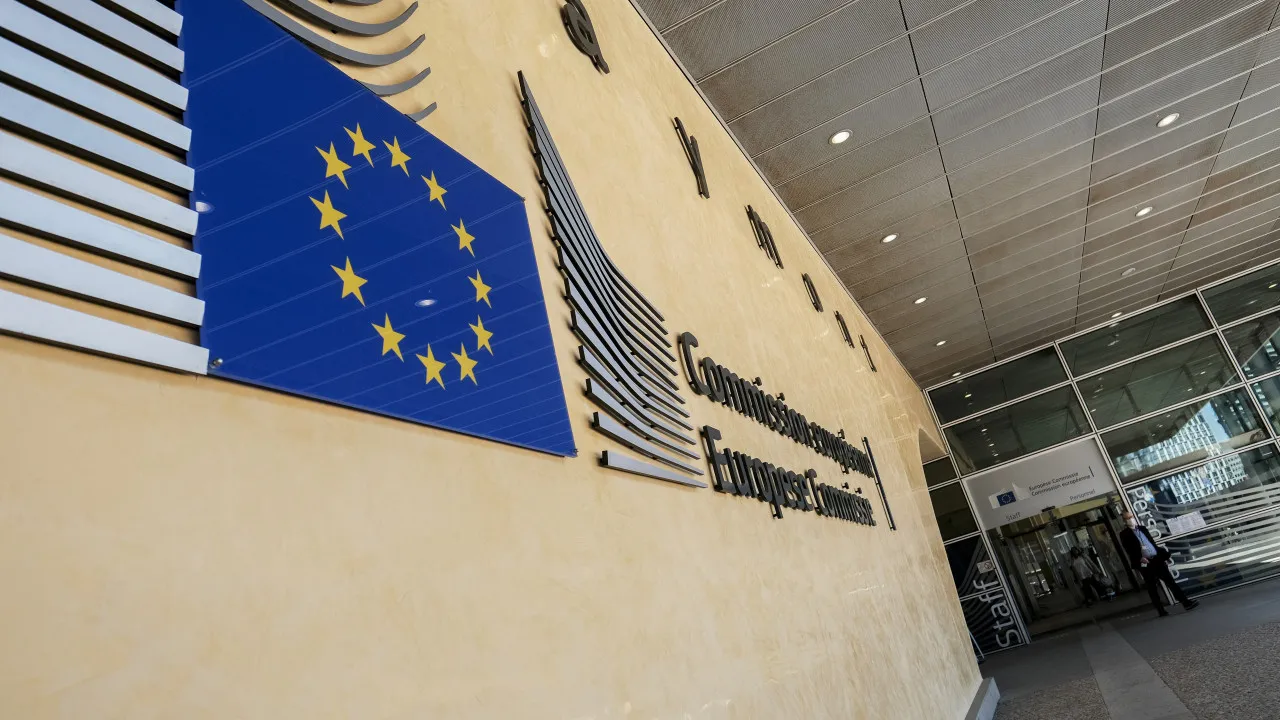
The European Court of Auditors (ECA) warned that the European Union is not doing what is necessary to stop the spread of eternal chemicals, stressing that most of these substances are not subject to evaluation.
© Lusa
18/11/2026
by
Lusa
Eternal Chemicals
O European Court of Auditors (ECA) today warned that the European Union is not doing what is necessary to stop the spread of eternal chemicals, stressing that most of these substances are not subject to evaluation.
In a report released today, the ECA states that the procedures of the European Union (EU) to regulate the so-called eternal chemicals “are complex and time consuming and not suitable to address this issue”.
Eternal chemicals are perfluoroalkylated or polyfluoroalkylated substances (known as PFAS) that do not break down in the environment or in the human body and are associated with diseases such as cancers, infertility or hormonal disorders.
The ECA recognises that the EU was one of the world's first jurisdictions to restrict eternal chemicals in 2006 by limiting their manufacture, import and use by means of the Chemicals Registration, Evaluation, Authorisation and Restriction Regulation (REACH).
However, it warns that “most eternal chemicals are not registered under REACH because they are produced or imported in annual volumes of less than one tonne per year or in polymer form”, a subtype of chemicals, which makes no complete data on these substances, including their potential hazards.
This is the case, for example, of polytetrafluoroethylene (PTFE), the eternal chemical most used in non-stick kitchen utensils and waterproof textiles, which, because it is a polymer, has not been investigated by the European Chemicals Agency (ECHA).
On the other hand, even in cases where eternal chemicals are registered, the ECA considers that the “hazard and restriction processes” in the EU are very time consuming and “they take many years”, on average five.
“ It is enough time for manufacturers to exchange a prohibited substance with a similar substance, potentially as harmful as the previous one: it is the so-called ‘desirable substitution’. For the ECA, this clearly shows that the current system is not appropriate”, reads in a press release released by the institution.
The court gives the example of perfluoramine, a substance used as an industrial solvent for its high chemical and thermal stability.
After the substance was registered under REACH in 2013, Belgium proposed in 2016 that it be subjected to an assessment.
However, due to successive postponements, this assessment did not start until March 2020 and did not end until December 2025, almost 10 years after the Belgian request.
The ECA also points out that the European Commission set new limits in 2020 for eternal chemicals in drinking water and in 2022 for food, but considers that, in view of recent scientific data, these limits do not protect human health and should be updated.
If they are not, it warns, the limits in drinking water will be exceeded more often in the future, increasing the risks to the health of consumers and the costs of water treatment.
In the case of food, however, the situation may be even more worrying: the ECA estimates that if certain foods have the maximum level of eternal chemicals currently allowed by the EU, a person may exceed the tolerable weekly dose if he eats just over three eggs (181 grams), 39 grams of wild salmon or 237 grams of beef.
Cited in a ECA communiqué, Joëlle Elvinger, responsible for this audit, argues that these chemicals can be eternal, “but there are ways to reduce the harmful effects on people and the environment”.
“The EU must tackle this problem with a firm hand and without delay, to disarm this time bomb before it is too late,” he warns.