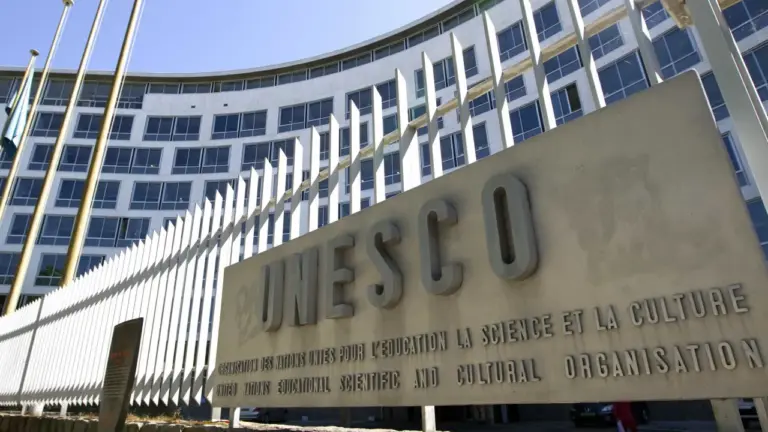
The mayor of Vila Real, Alexandre Favaios, highlighted the responsibility of ensuring that the manufacture of the Black Table of Bisalhães, for 10 years recognized by UNESCO, remains alive and with a future.
© Reuters
28/11/2026
by
Lusa
O mayor of Vila Real, Alexandre Favaios, today stressed the responsibility of ensuring that the manufacture of the Black Table of Bisalhães, 10 years ago recognized by UNESCO, “continues alive” and with a future.
“The Black Table of Bisalhães is part of our identity and history. Ten years ago, UNESCO recognized the unique value of this tradition, projecting the name of Vila Real internationally. But our biggest challenge is not just to preserve what we inherited. It is to ensure that this knowledge remains alive, that our potters are valued and that the new generations find in this art opportunities for the future”, said Alexandre Favaios (PS), quoted in a statement.
The mayor referred to this manufacturing process when on Sunday 10 years have been marked since the entry of this practice in the List of Immaterial Cultural Heritage that Needs Urgent UNESCO Safeguard.
The manufacturing process includes from the initial treatment of clay to cooking.
The pieces that are born by the hands of the artisans are then cooked in old ovens open on earth, where giestas, caruma, carquejas and muffled later with dark earth, the same that will give it black color.
Art has been at risk of extinction and today there are few potters, but after classification, steps have been taken in training and there are already new artisans to work.
The municipality highlights, in a statement, the “commitment to the preservation of this ancestral tradition”, immediately by the formation of seven new potters, a program of workshops involving schools and the community, and the recent beginning of the construction of the Black Tablet Museum in Bisalhães.
“ We want to awaken the interest of the new generations, value the work of our potters and create conditions for this know-how to continue to be transmitted ", adds the councilwoman with the culture pelouro, Mara Meava.
Among the initiatives to celebrate the 10 years of this classification are a photography and illustration contest, which resulted 40 works on display at the Teatro de Vila Real, and the theater show “Memórias do Barros”, which will be taken to the scene on December 03 and 04.
By the end of the year, the municipality also reissues several educational and scientific publications on black dishes, and between these months and the beginning of next year will be released “a short film of graphic animation”.
On Tuesday, Alexandre Favaios told Lusa that the construction of the museum, in the village of Bisalhães, is the tangible beginning of an investment around 600,000 euros that should be completed within a year.
The project is being developed in conjunction with the Junta de Freguesia de Mondrons, which acquired, with the support of the municipality, the house and the land where the equipment will be installed.
The future museum will have a permanent exhibition, interactive areas, workshops and educational activities, providing visitors with an experience close to the entire production process of this ancestral art.