Lack of investment in early childhood education and care costs 3% of global GDP and can reach 7% in poorer countries, according to UNESCO report.
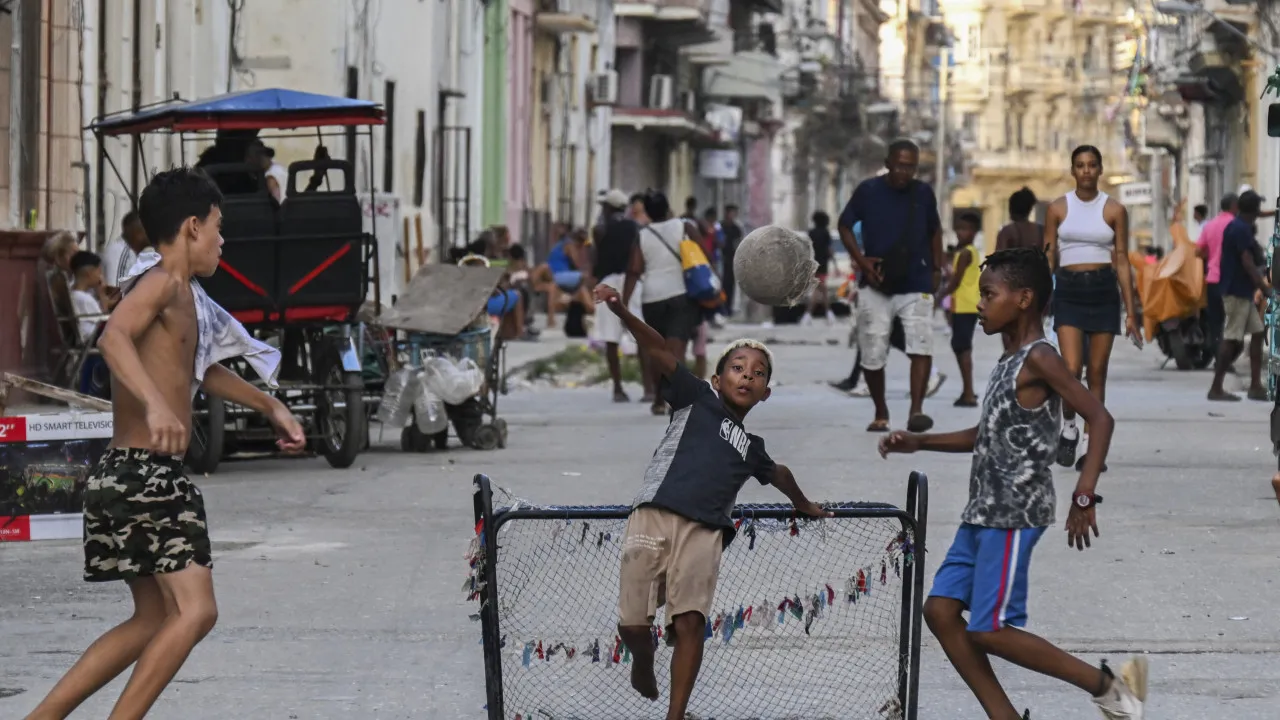
© YAMIL LAGE / AFP via Getty Images
20/11/2026
by
Lusa
A lack of investment in early childhood education and care costs the equivalent of 3% of the global Gross Domestic Product (GDP), and can reach 7% in the poorest countries, according to the UNESCO report published today.
On the date of the International Day of the Convention on the Rights of the Child, the United Nations Organisation for Education, Science and Culture (UNESCO) argues that investment should begin in the first years of life and estimates that it will take another $114 billion by 2030 to ensure that all children in the world receive at least one year of preschool education.
The World Report on Early Childhood Education and Care published today was prepared jointly by UNESCO, UNICEF and Organization for Economic Cooperation and Development (OECD).
One of the main warnings is that pre-school enrolment has been stagnant globally for a decade.
Currently, only six out of 10 children who start primary education received at least one year of prior education.
By region, Latin America and the Caribbean have a net schooling rate in preschools above 90%, similar to that in Europe and North America.
On the other hand, the percentage is around 50% in North Africa, Sub-Saharan Africa and West Asia, according to data from 2024.
UNESCO also warns that inequalities in child development begin long before children start school.
Overall, only 64% of children aged 24 to 59 months reach the levels of development expected for their age, especially in areas such as learning.
In sub-Saharan Africa, the proportion is down to 53%.
The report calls on governments to ensure stable and multiannual funding, strengthen investment in children under three years of age and prioritize children from disadvantaged families.
The report also advocates reducing the costs of families and improving the training and working conditions of educators.
According to the projections of the report, the world will need about six million additional professionals in the area of early childhood education by 2030.