Bangladesh has today increased the minimum monthly wage of textile workers by 36% to 17,000 takas (136 euros), after weeks of protests leading to the closure of several factories.
© ShutterStock
25/11/2026
by
Lusa
O Bangladesh has today increased the monthly minimum wage of early-career clothing workers by 36% to 17,000 takas (136 euros), after weeks of violent protests leading to the closure of several factories.
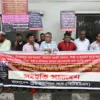
For several weeks, the workers manifested themselves on the streets, clashed with the police and attacked factories, claiming better wages and arguing that high inflation made their lives more difficult.
The clothing industry is the main export sector in Bangladesh and the country's main source of foreign exchange, mainly through exports to the United States and Europe.
It represents about 80% of the country's total exports and directly employs around four million workers, mostly women from rural areas.
A salary commission appointed by the government approved the new wage structure in the early hours of Wednesday, after almost 12 hours of meetings between workers' and employers' representatives.
The committee, composed of six members, including two workers' representatives and two employers, approved the new salary scale by four votes against two, setting the minimum wage at 17,000 takas (136 euros).
The two defeated members supported the revised worker proposal, which advocated a monthly minimum wage of 18,000 takas (144 euros).
The committee also reviewed the monthly wages of other categories of workers. It was not yet clear whether the workers will accept the new wage structure.