
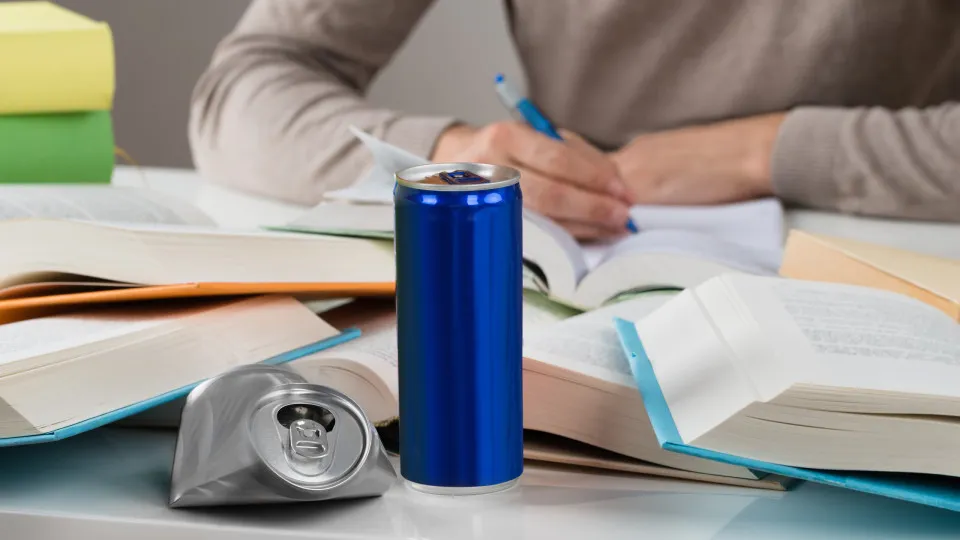
Energy drinks and caffeine-stimulating products are associated with cardiac arrests and heart attacks in young adults, according to an analysis of 28,000 reports in the United States of America.
© Shutterstock
03/11/2026
by
Lusa
Aenergy drinks and stimulants containing caffeine are associated with cardiac arrests and infarcts in young adults, according to an analysis of more than 28,000 reports of adverse events presented in the United States.
The cases submitted to the FDA (an agency for medicines and food in the United States) point, in particular, to adults aged 18 to 34 years, a group that is normally not considered high risk for cardiovascular events, according to this association study (not causality).
The researchers stressed, however, that further studies are needed to understand the relationship between products containing caffeine and cardiovascular problems.
The findings of the investigation will be presented at a session of the American Heart Association, which will take place in Chicago from November 6.
Read Also: The stroke happens in the brain. The cause may be in the heart
The results are considered preliminary until published in full in a peer-reviewed scientific paper.
Although research into energy drinks and other caffeine-stimulating supplements is limited, the available evidence indicates that high doses of caffeine are associated with cardiovascular damage, a statement from the said organization indicates.
“These products are marketed for daily consumption and sold alongside soft drinks and bottled water. So most people assume they don't offer any real risk“, warned Sai Samayamanthula of the University of Virginia.
For many healthy people, if consumption is occasional, the risk is likely to be low.
However, those who usually consume them may quickly exceed the recommended daily caffeine limit.
“ It is therefore important to know that these products may pose a risk of cardiovascular damage,” he added.
To reach their conclusions, researchers analyzed 28,345 reports sent to a FDA security database on possible adverse events between 2017 and 2025.
Of these, 854 reports mentioned energy drinks or dietary supplements containing caffeine or stimulants.
Researchers compared these data with 27,491 reports on products that did not contain caffeine or other stimulants.
Cases of cardiac arrest have been reported approximately 11 times more frequently in relation to products containing caffeine and stimulants compared to others that do not have these ingredients.
Reports related to energy drinks and supplements were approximately 4.5 times more likely to involve heart attacks and 4 times greater to include ventricular arrhythmias (abnormal rhythm in lower heart cavities) or palpitations.
About 45% of the reports that associated products containing caffeine and stimulants with cardiovascular events referred to adults aged between 18 and 34 years.
Similar patterns were observed in reports involving both men and women.
“Our findings reinforce the need for more systematic supervision of the safety of products containing caffeine and stimulants. In addition, health professionals should remember to ask their younger patients who have palpitations, chest pain or fainting if they have recently consumed these products or if they usually do so”, concluded Samayamanthula.