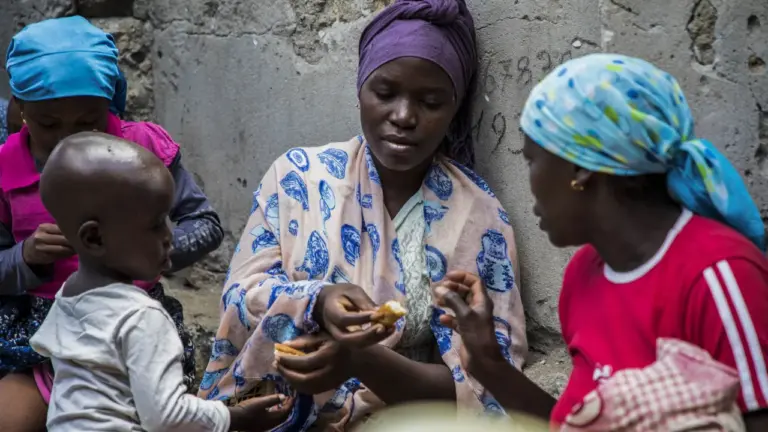
The Brazilian government announced that it will allocate 17 million reais (€2.7 million) to a scientific cooperation initiative between the CPLP countries to combat hunger and strengthen food security.
© Lusa
25/11/2026
by
Lusa
O Brazilian government announced that it will allocate 17 million reais (€2.7 million) to a scientific cooperation initiative between the countries of the Community of Portuguese-speaking Countries (CPLP) to combat hunger and strengthen food security.
The announcement was made on Tuesday by MCTI's Secretary of Science and Technology for Social Development, Germana Pires, during the launch of the Lusófona Alliance for Territorial Transformation, an event held in Brasilia.
“ It's 17 million reais to build a true Lusophone alliance against hunger. It is an unprecedented investment, a research initiative, scientific cooperation focused specifically on food and nutrition security ", said the secretary, according to a statement released by the Secretariat of Social Communication of Brazil.
According to the Brazilian Government, the program provides 18 projects on the ground and specialized training for 300 participants, and the nine CPLP countries will also have a common platform to share data and studies that help define food security policies.
The projects will involve communities in identifying their needs and testing solutions to improve access to water, make agricultural production more sustainable and reduce food losses, according to the Brazilian Government.
The true value of this alliance may be in the capacity to transform scientific knowledge into practical solutions, in concrete results, in research that can support the best definition of public policies”, said CPLP Cooperation Director Manuel Lapão, present at the event, according to the statement.
Also in Brasilia, Secretary Eugenio Adolfo Alves da Silva, representative of the Ministry of Higher Education, Science, Technology and Innovation of Angola said that seed improvement and soil study are among Angola's priorities.
“The Angolan agricultural production is still fundamentally based on the production of cooperatives and family farming,” he said.