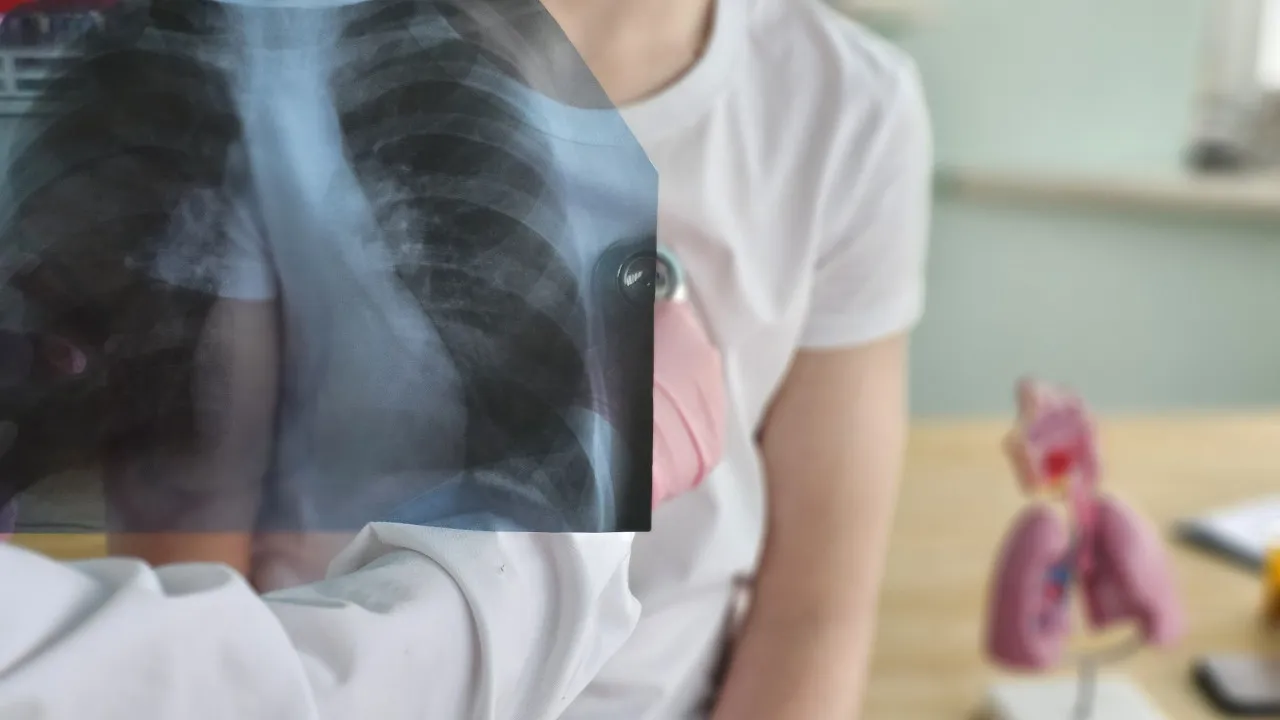
This Saturday marks the European Day of Cystic Fibrosis. It is a rare genetic disease that affects between 30 and 40 children per year in Portugal. Know what it is, what the symptoms are and how it can be treated.
© Shutterstock
21/11/2026
by
O European Cystic Fibrosis Day is scheduled this Saturday, November 21st. It's a rare, yet unhealed genetic disease. In Portugal, it affects between 30 and 40 children every year. What is it, what are the symptoms and how it affects children all over the world?
What is cystic fibrosis?
“Cystic fibrosis is a genetic disease associated with pulmonary and nutritional problems. It consists of dysfunction of exocrine glands that produce abnormal secretions, such as thicker mucus", reads an article published on the Lusíadas health group website.
It affects lungs, digestive tract, sweat glands and genitourinary apparatus. “Cystic fibrosis has no cure, although the quality of life of patients has improved greatly in the last 20 years” they continue. According to the article, in Portugal, between 30 and 40 children with cystic fibrosis are born every year. Worldwide, the estimate is that it's about 60,000 patients.
Read Also: COPD: “Preventing today to breathe better tomorrow”
“ Since it is an autosomal recessive disease (only manifests if there are two recessive genes), it is difficult to know how many people have the gene. Still, scientists estimate that 7 million people carry the genetic anomaly of cystic fibrosis.”
How it manifests and the treatments
It is in the first years of life that disease manifests and can present different degrees of intensity. Common respiratory infections such as pneumonia and bronchitis, persistent cough, sinusitis and intestinal disorders are some of the symptoms. The diagnosis is often late, but possible through biochemical tests.
Since there is no cure in particular, treatment is always directed to the manifestations that each child has. In most cases they are directed to lung disease, nutritional deficiencies and pancreatic disease.
“ In advanced stages of the disease, a lung transplant may have to be performed. It is recommended that patients be followed in specialized centers.”
How to live with cystic fibrosis
There are ways in which patients can minimize the effects of cystic fibrosis. Among some of the care revealed in the article by Lusíadas, which was reviewed by pulmonologists Aurora Carvalho and Miguel Guimarães, are:
- To perform respiratory therapy;
- Adjust the administration of pancreatic extracts to the fat of each meal and to the appearance of feces, following medical prescriptions;
- Increase the salt consumed at each meal if there is intense sweating (over-perspire);
- In case of intense sweating, they shall increase the amount of water ingested;
- Wash hands regularly – reduces the risk of infection;
- Take the vaccine against pneumococcal pneumonia and take the flu vaccine every year;
- Exercise as regularly as possible.