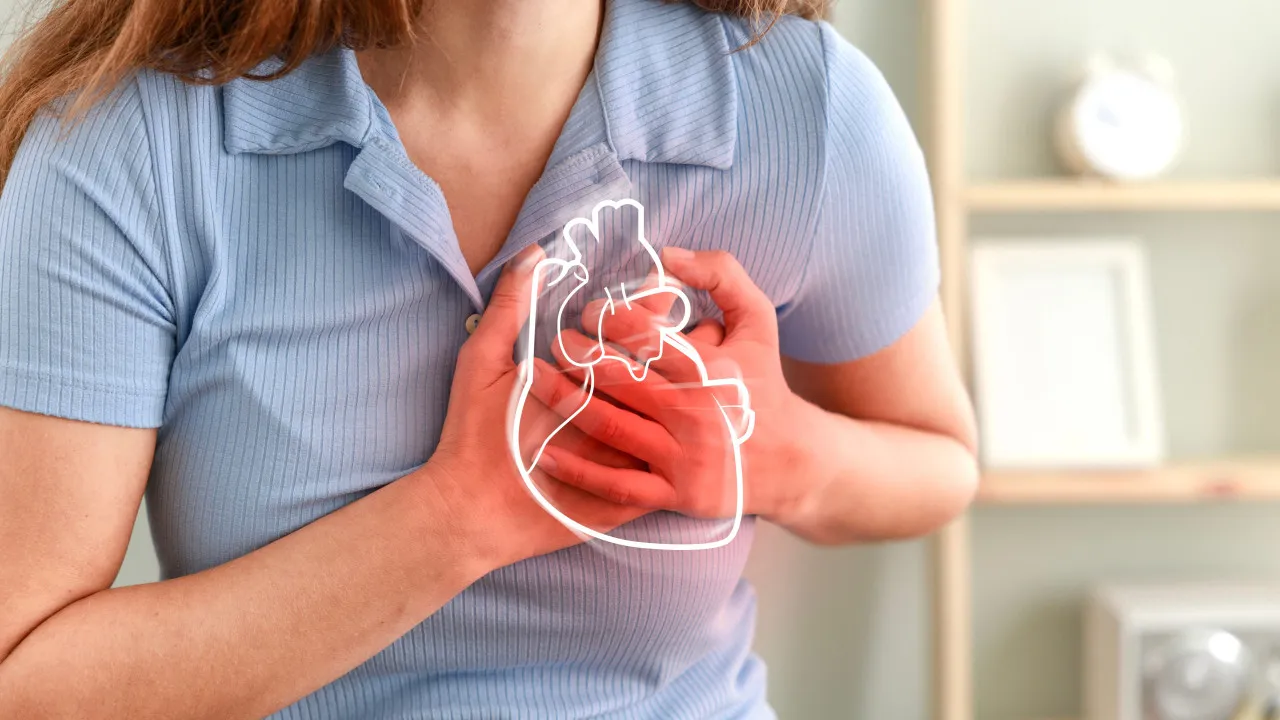
A heart attack can manifest through several symptoms, one of the most common being chest pain. However, especially in the case of women, there is another warning signal to take into account which is usually ignored: pain in the jaw.
© Shutterstock
19/11/2026
by
Sthere are several symptoms indicative of a possible heart attack, some of which may even be ignored.
Bradley Serwer, a cardiologist, addressed the subject in a Best Life article, highlighting the symptom that usually goes unnoticed most.
Heart attack in women: Warning signs to be taken into account
In women, heart attack does not always manifest through common chest pain. “ Instead, women may experience symptoms such as shortness of breath, nausea, indigestion, upper abdominal discomfort, dizziness or fainting. As these symptoms may differ from the most common presentation of a heart attack, diagnosis and treatment may be delayed.”, says Serwer.
Heart disease in women is “often undiagnosed”
Although heart disease remains one of the leading causes of death in the world and in the country, in women, it develops between seven and 10 years later than in men.
“ Unfortunately, studies have also shown that heart diseases in women are often underdiagnosed and that, as a result, they can receive less aggressive treatments,” the cardiologist noted.
The most common sign of a heart attack that people ignore: Jaw pain
According to the doctor, many people ignore jaw pain. “ Jaw pain can sometimes be a symptom of an underlying heart problem, especially when it occurs along with other warning signs”.
There are also other characteristics that may suggest that pain in the jaw has cardiac origin, namely:
- Associated with physical activity: “pain in the jaw that begins during moderate exercise or effort and improves with rest”.
- Pain location: “pain that predominantly affects the left side of the jaw, especially when there is no associated redness or swelling”.
- Irradiated discomfort: “pain that also extends to the neck, shoulder or arm”.
- Associated symptoms: “pain in the jaw accompanied by shortness of breath, sweating or cold, moist skin”.
- Presence of cardiac risk factors“symptoms should be taken especially seriously in individuals with risk factors such as smoking, diabetes, high blood pressure, high cholesterol or strong family history of coronary artery disease”.
When should you seek medical help?
The cardiologist advises that “never ignore unexplained jaw pain”, especially when it occurs with any of the symptoms described above.
If in doubt, contact your family doctor or SNS 24 (808 24 24 24).