
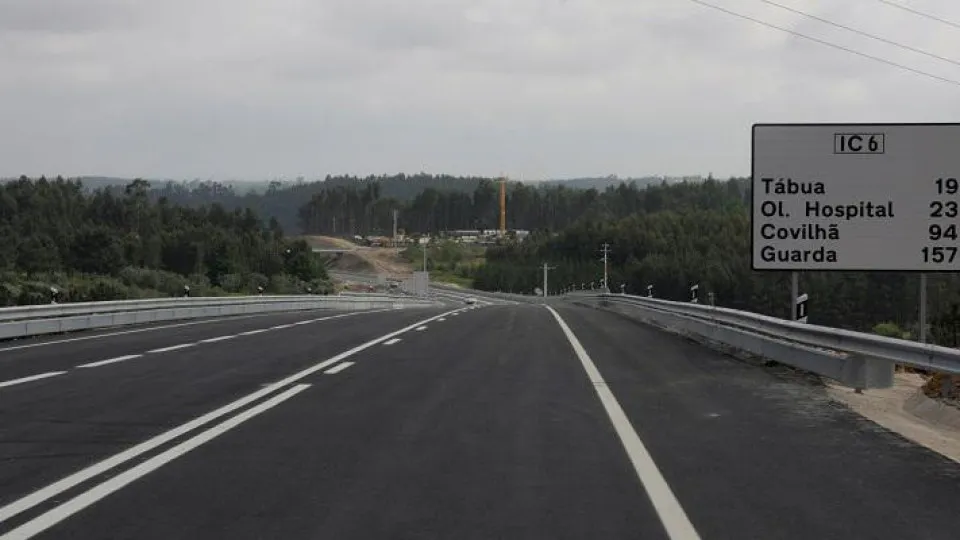
The PS defended the construction of the IC6 until Foladosa, in the Guarda district, as part of a proposal to add to the State Budget 2027, considering the investment essential for regional mobility.
© IP
11/11/2026
by
Lusa
O parliamentary group of the Socialist Party (PS) today defended the construction of the Complementary Itinerary (IC) 6 until Foladosa, in the municipality of Seia, an investment that considers “structural” in the road network of the Guard district.
The conclusion of the IC6, between Tabua [District of Coimbra] and Foladosa [Sea, Guard district] is a proposal for addition to the State Budget for 2027 presented this Wednesday by socialists in the Assembly of the Republic.
“ We are talking about an investment already planned in the approved planning instruments and whose implementation is essential to improve accessibility and strengthen mobility in the region”, said Aida Carvalho, a member of the PS elected by Guarda, in a statement sent to Lusa agency
Parliament added that “the concern of the PS in this discussion of the State Budget is not to cause a budget deficit, but to defend the region’s strategic projects.”.
The proposal also provides for the Government to submit to the Assembly of the Republic, by 31 March 2027, a report on the monitoring of projects and studies provided for in Resolution No 69/2025 of 20 March.
This monitoring should indicate “up-to-date planning, funding sources and implementation targets for 2027”.
It will also include the IC26, between Lamego (A24/IP3), in the district of Viseu, and Trancoso (IP2), in the district of Guarda, “another road project relevant to the territory”.
“ It is our priority for the State Budget that is now under discussion to ensure that the investments provided for in the National Investment Program 2030 and the commitments made by the Government are not limited to intentions ", justified Aida Carvalho.
The Member elected by the Guard circle ensured that the PS “will not fail to require concrete information on the timetables, financing and execution of the projects”.
“ The modernisation of transport networks is essential for territorial cohesion, economic development and the improvement of mobility conditions, especially in low-density territories, where accessibility is crucial for the establishment of people and businesses”, concludes Aida Carvalho.