
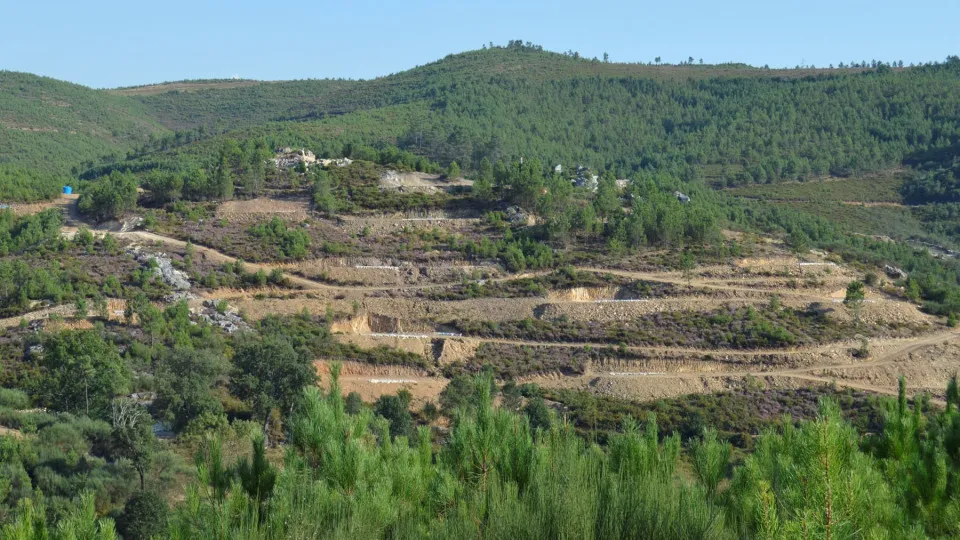
The Environmental Compliance Report of the Barroso Mine Execution Project (RECAPE), which Savannah wants to explore in Covas do Barroso, Boticas, entered into public consultation and, by 4:00 p.m., already had 1,301 online participations.
© MINOB
13/11/2026
by
Lusa
O Environmental Compliance Report of the Barroso Mine Execution Project (RECAPE), which Savannah wants to explore in Covas do Barroso, Boticas, entered public consultation today and, by 4:00 p.m., already had 1,301 online participations.
The document submitted by Savannah Lithium will be in public consultation until December 4.
By 4:00 p.m. today, 1,301 participants had already been submitted through the online portal Participate.
The Barroso mine was made possible by the Portuguese Environment Agency (APA), with the issuance of a favorable Environmental Impact Declaration (IAI) conditioned in 2023.
Savannah Resources intends to start construction in 2027 and achieve the first production in 2028.
RECAPE is a document that intends to demonstrate compliance with the conditions stipulated in the DIA and, according to the non-technical summary that can be consulted on the Participate portal, this RECAPE reassessed the impacts on the environmental factors in which the changes of the project, between the previous study and the implementation project, justified it.
The Barroso mine project aims to expand the area for the exploitation of mineral deposits of quartz, feldspar and lithium to 593 hectares in the Barroso Covas area, including access to the mine, the implementation of waste facilities for storage of sterile and rejected wastes, the deposition of steriles in the operating cavities and the construction of support facilities, including offices, social facilities, warehouses and workshops.
The mineralization to be explored in this mine is intended for the production of spodumen concentrate and is also valued as secondary raw materials, feldspar and quartz.
According to RECAPE, the implementation project integrates solutions that reduce environmental effects, an effective implementation of 336 hectares, absence of capture in the Covas river and a protection range of 100 meters to the river.
It explains that rehabilitation is progressive, that from year three, each area is recovered as soon as released by the plow, with filling of the cuts, replacement of the plant land and revegetation with native species.
Further studies have also been carried out and response has been given to the 15 compensation measures of DIA (Covas and Beça rivers, biodiversity, forest, local populations, heritage and social component), which adds, as an additional measure, the Plan for Rescure Compensation.
According to the document, the “reassessment of impacts confirms that changes in the implementation project do not fundamentally change the findings of the Environmental Impact Study (EIA)”, stating that the main negative impacts, such as the change in relief, land occupation, local lowering of groundwater and nuisance for populations, “are mitigable or compensable, and the positive effects on the use of a strategic resource and on the local economy are reinforced”.
It also states that the implementation of monitoring programmes “will allow monitoring the evolution of the environment throughout the various phases of the project and adjust the measures whenever necessary”.
“ No knowledge gaps have been identified that call into question the RECAPE conclusions, considering the conditions for compliance with the DIA measures in the stages prior to the construction, operation and decommissioning ", concludes.