An international report published by the IOM highlights Mozambique's experience in Cabo Delgado as an example of support for displaced people by conflict and natural disasters, affecting 2.3 million people in the country.
© Getty Images
19/11/2026
by
Lusa
UiOM coordinated report highlights experience in Cabo Delgado as a case of an international study of resilience assistance to displaced people by conflict and natural disasters, in a context that affects 2.3 million people in Mozambique.
The international report “Shelter Projects – 10th Edition”, published by the International Organization for Migration (IOM), on behalf of the Global Shelter Cluster, brings together 28 case studies of shelter humanitarian interventions and settlements in different countries and presents Cabo Delgado as an example of response to a prolonged crisis marked by armed conflict, forced displacements and extreme weather phenomena.
According to the document, the insurgency started in 2017 aggravated pre-existing vulnerabilities, destroyed infrastructure and caused large-scale displacements in a province that simultaneously faces recurrent impacts of cyclones, floods and droughts.
The report also contextualizes that cyclone Idai, Kenneth, Gombe and Freddy have affected about 3.5 million people in Mozambique since 2019.
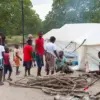
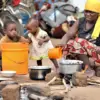
The authors indicate that the Cape Delgado crisis affected 2.3 million people, of which 1,341,937 were displaced due to attacks by armed extremist groups, while about 1.6 million needed assistance in the shelter area. Although many families began to return to their areas of origin, the report notes that they often found homes destroyed or damaged and limited access to essential services.
The study highlights a humanitarian intervention developed between 2022 and 2024 that directly benefited 24,800 people, corresponding to 4,960 families. In this context, 1,167 housing reinforcement and rehabilitation work was carried out, distributed 1,562 shelter kits and supported 2,075 families with emergency shelter and initial recovery solutions.
The initiative also included Community training and 650 families were trained in resilient construction techniques and seven Community disaster risk reduction committees were set up. According to the report, these structures aim to strengthen community preparation for future emergencies and improve their capacity to respond to extreme phenomena.
The publication highlights the adoption of the “Reconstruct Better” approach, based on the use of local materials, such as bamboo, wood, clay and straw, combined with more wind resistant construction techniques and intense precipitation. The authors maintain that this model contributes to reducing costs, supporting local economies and increasing the sustainability of interventions after the end of humanitarian assistance.
The report points to Cabo Delgado as a case of international study precisely because it combines immediate assistance to displaced persons with long-term recovery and resilience measures.
According to the authors, the involvement of communities in the design and implementation of solutions, the formation of local artisans and the increasing participation of women in construction activities have allowed them to create permanent capacities beyond the duration of the project.
It adds that the techniques promoted began to be adopted also by families who did not participate directly in the initiative, demonstrating the local dissemination of acquired knowledge and the potential for replication of the approach in other humanitarian crises. For the authors, the experience of Cabo Delgado highlights the importance of associating emergency assistance, recovery and reduction of the risk of disasters in a single response.
The report notes that humanitarian needs for shelter and settlements are “growing and increasingly complex” and advocates the transformation of operational experience into “practical learning for the humanitarian community”.
The studies gathered reflect a “shared responsibility to learn from practice and make this learning accessible throughout the sector”, at a time when crises become more prolonged and limited by resources.