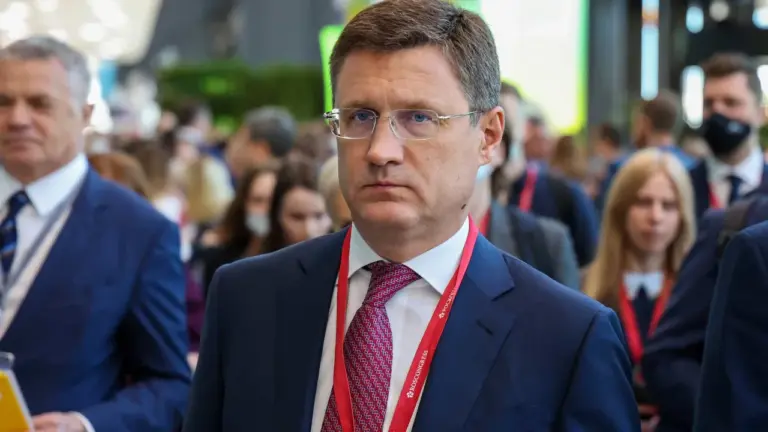
The Russian Deputy Prime Minister admitted that Moscow faces a new fuel deficit due to Ukrainian attacks on refineries in repair. “At the moment, the situation is very tense, since several refineries are in repair,” said Alexandr Novak.
© Getty
25/11/2026
by
Lusa
O russian Deputy Prime Minister today admitted that Moscow faces a new fuel deficit due to Ukrainian attacks on refineries that are in the process of repair.
“ At the moment, the situation is very tense, since several refineries are in repair”, said Alexandr Novak, quoted by the Russian agency Interfax.
To close the fuel shortage, Moscow depends on external oil supplies.
“ The situation is normal, although there is undoubtedly a deficit that is being addressed through external supplies,” Novak said, also quoted by the Russian agency TASS.
The Russian Deputy Prime Minister clarified that short-term measures, in addition to ensuring supply through “neighbouring countries” and other allies, will potentially go through reviewing oil exports.
According to Novak, the Russian Ministry of Energy has already prepared measures to extend the ban on kerosene exports, which will depend on the “balance that occurs”.
In December the Russian Government will also take a decision on the regulation of petrol exports.
“ We will make a decision in December, depending on the expected balance ", reiterated Novak, without going into details.
With this measure, Russia may maintain the ban on the export of gasoline beyond 31 January 2027.
Ukrainian attacks on Russian refineries caused a fuel shortage in Russia, causing a shortage of supply stations, long lines and an increase in prices.
On Wednesday, Ukraine attacked two refineries in the Russian region of Samara, about 1,000 kilometres east of Moscow.
Kyiv has faced increasing pressure from the United States for long-range attacks on refineries and the giant retail company Wildberries, known as Russian Amazon, accused of selling products used in the front line by Russian soldiers.
Ukrainian President Volodymyr Zelensky, since Ukraine began targeting Russian energy facilities, nicknamed the attacks of “long-range sanctions”.
Since last year, these attacks have affected several regions of Russia, leading the country’s government to authorise more than once refineries to sell low-quality petrol and diesel and to suspend exports of hydrocarbons.