
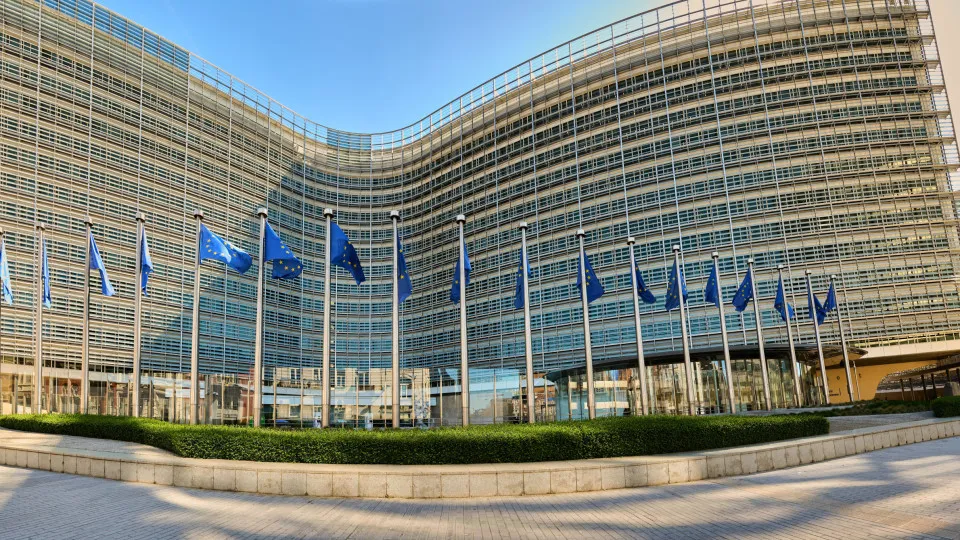
The European Commission today argued that the closure of refineries in the European Union needs to be stopped and asked industry companies to increase production capacity, while ensuring that the commitment to decarbonisation of the economy is maintained.
© Shutterstock
28/10/2026
by
Lusa
A The European Commission has today argued that the closure of refineries in the European Union needs to be stopped and has asked industry companies to increase production capacity, while ensuring that the commitment to decarbonisation of the economy is maintained.
At a press conference following a meeting with representatives of refineries in Brussels, European Energy Commissioner Dan Jørgensen argued that the European Union (EU) cannot stand by at a time when the International Energy Agency has warned that prices will remain high in 2027.
“ We need to ensure that we have affordable supplies and credible sources for our citizens, our businesses and our defence,” he stressed, before indicating that in the last 20 years, “about a quarter of EU refineries have closed down,” which reduced the refining capacity in the block “by approximately 10%”.
“ This crisis should serve as a warning signal. We must counter this trend and ensure that we have adequate and flexible refining capabilities in Europe, both in the present and in the future. It is not only a question of economic competitiveness, but also of security”, he said.
It was in the light of this observation that the European Commission decided to start a dialogue with the refineries, the Commissioner indicated, who considered that today’s meeting “was very fruitful”, although it was only “a first step”.
“ We will work to increase the production capacity of refineries in Europe. The industry also made some suggestions, which we will evaluate, because, ultimately, we need to lower the price of fuels,” he said.
In addition to these short-term measures, the Energy Commissioner stressed that the Community executive also intends to rethink “the future of the refinery sector in Europe” in order to ensure “sufficient domestic fuel production in Europe, as well as the long-term viability of European refining activity as the EU advances in decarbonisation”.
Dan Jørgensen pointed out, however, that refineries and new operators in the sector “will have to start a path that will enable them to produce more biofuels and renewable synthetic fuels”.
“The potential is significant. In the coming years, this production will further reduce the risks associated with fuel imports,” he said, adding that the European Commission will now work with refineries to develop a “common roadmap for their transformation”, maintaining the EU’s “climate environment”.
In turn, the European Defence Commissioner, Andrius Kubilius, also defended the need to strengthen the production capacity of refineries, stressing that it is impossible to guarantee the ability to respond in terms of Defense without using “conventional fossil fuels”.
“ In situations of military crisis, according to NATO's model of forces, it will be necessary in the first days to mobilize and maintain 100,000 military personnel on the ground. We can imagine what this represents in terms of fuel consumption and production. We must therefore ensure that we are able to provide sufficient supplies,” he argued, arguing that the EU needs to have “appropriate refining capabilities”.
Asked how the EU justifies refinery expansion projects if it aims, legally binding, to reduce its emissions by 90% by 2040, the Energy Commissioner stressed that the EU strategy is “very clear” and aims to “progressively abandon fossil fuels”.
“ But today people are still driving cars with internal combustion engines and heating their homes with gas and diesel. Our Armed Forces also remain dependent on these fuels. So we must find a balance”, he stressed.