Sweden will provide €3.2 million to support children and young people affected by the armed conflict in the district of Palma, northern Mozambique, for education, child protection and school feeding actions.
© Reuters
19/11/2026
by
Lusa
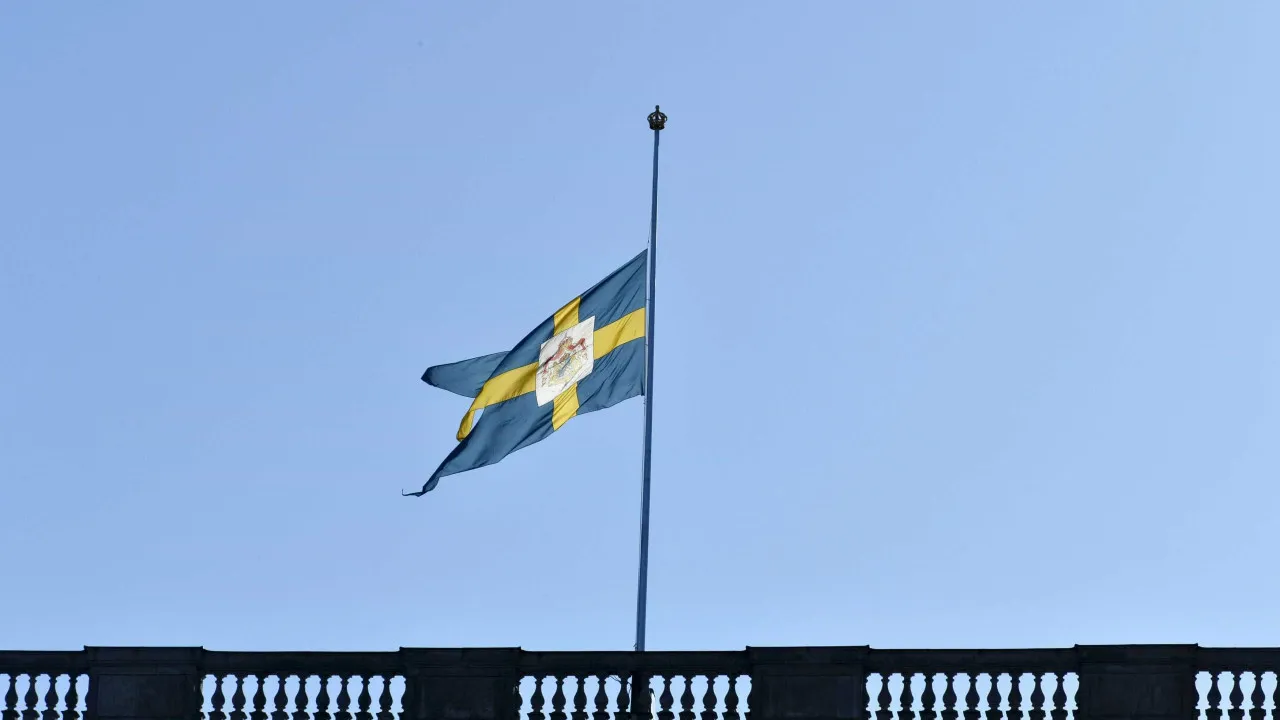
A Sweden will provide €3.2 million to support children and young people affected by the armed conflict in the district of Palma, northern Mozambique, for education, child protection and school feeding actions, it was announced today.
The funding is intended for the second phase of a joint programme of the World Food Programme (WFP) and the United Nations Children's Fund (UNICEF), which aims to meet the needs of communities affected by armed attacks in that district of the province of Cabo Delgado since 2017.
On the other hand, it aims to improve the living conditions of families, Sweden’s ambassador to Mozambique, Andrés Jato, announced during the launch of the initiative today in Maputo.
“ Through this humanitarian programme, Sweden is contributing approximately $3,6 million (EUR 3.2 million) to support an integrated approach that places children and young people at its centre,” said the diplomat, adding that the first phase allowed it to support more than 7,500 children and young people in the areas of education, child protection, food security and livelihoods.
According to Edna Pomelo, responsible for the areas of nutrition, school feeding and resilience of the PMA in Mozambique, the food component aims to encourage the return and permanence of children in schools, in a context in which the conflict interrupted access to education, as well as improving nutrition and learning conditions.
“ Our goal is to start school feeding in February, which is right at the beginning of the school year,” Lusa said, explaining that preparatory work begins in January, with the reactivation of local partnerships, the formalization of agreements with governmental and non-governmental institutions and the elaboration of work plans with communities.
This second phase also provides for temporary monetary transfers to vulnerable households, accompanied by training and support for the creation of income-generating activities, to strengthen the ability of households to provide their own livelihood. According to Edna Pomelo, payments will be made for five to six months.
In this new phase, the programme should also cover 1,200 children, adolescents and young people with skills development and financial inclusion actions, support 800 farmers and involve a thousand young people in activities aimed at expanding income opportunities. The school feeding component should benefit 10,000 children during the school year 2027.
The first phase, developed between 2024 and 2026, had funding of around $8.6 million (€7.8 million) and benefited more than 7,500 children and young people. The second stage aims to continue previous interventions and extend support to communities affected by the conflict.
UNICEF’s representative in Mozambique, Mary Louise Eagleton, said that the partnership allows for the combination of food support and livelihoods provided by the PMA with UNICEF interventions in the areas of education, child protection and skills development for adolescents and young people.
“Progress for children never happened by chance,” Eagleton said, defending the continuity of investments in protecting children, especially in conflict contexts, to ensure that they can learn, develop and contribute to the recovery of their communities.
The programme aims to contribute to the recovery of Palma communities by combining humanitarian assistance, education, child protection and economic opportunities, at a time when children and young people remain exposed to the effects of the conflict, including school interruptions, family separation, violence and risk of recruitment by armed groups.