The Spanish police revealed the existence of a logistical component behind the use of 8,000 to 10,000 plastic buoys of a single model during the massive entry of migrants into Ceuta at the end of July.
© Sven Kaeuler/picture alliance via Getty Images
19/11/2026
by
Lusa
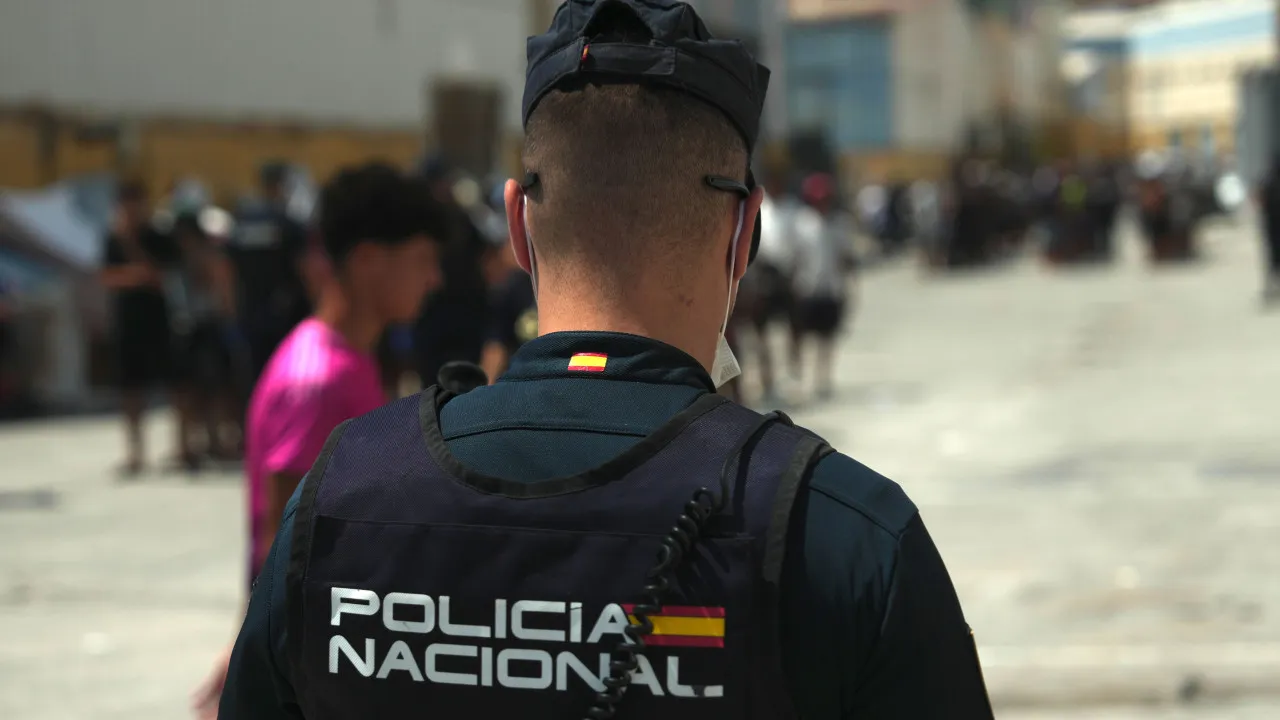
A Spanish police reported the existence of “a logistical component” before the massive entry of people in Ceuta at the end of July, given the use of 8,000 to 10,000 plastic buoys of a “single model”.
In a new report, which the Spanish news agency EFE had access to today, the authorities indicated that the use of equal, black buoys and a printed design, “does not seem possible” that migrants have purchased in stores or online.
The National Immigration and Borders Center (CENIF) of the Spanish National Police said it believed that at the end of July, “there was a logistical component that included pre-combined availability, distribution and use notes for the massive ‘swimming’ crossing at a perfectly determined time and place.”.
In the report, presented to the National Court, it estimated that between 4,000 and 30,000 buoys were used, “although a more likely intermediate scenario places this number between 8,000 and 10,000”.
For the agents, “it seems not possible that migrants themselves”, with the authorities estimating the number between 100,000 and 125,000, almost exclusively Moroccans, have bought them in stores or ‘online’, because “they would not have ‘stock’ enough to deal with the surprise sale of thousands of buoys on a specific day, without planning and prior orders”.
Researchers also do not consider it feasible that they brought them from outside Castillejos (from the Moroccan side).
Police analysis, based on aerial and detailed images of different areas on the border of Tarajal, border post between Morocco and the Spanish enclave, included in the report, points out that there was “a single large lot that was previously purchased, distributed locally and at the same time widely used”.
From the images obtained through social networks and the media, the police conclude that there were no clear points of sale for these migrants, although some interviews with people who entered Ceuta in those days report that they bought the buoys in the village of Castillejos and others who bought them at the beach itself before entering the pontoon, at the border.
Police find it interesting to reveal a migrant who claimed that a soldier near the coast sold them the buoys she and her friends used, charging them the amount of 270 dirhams (about 27 euros).
Between 30 and 31 July, more than 70,000 irregular migrants from Morocco entered Ceuta, a Spanish enclave located in northern Africa.
The crisis, which caused more than 140 deaths and was seen as an instrumentalisation of migrants by Morocco, also triggered a diplomatic crisis in Europe.