
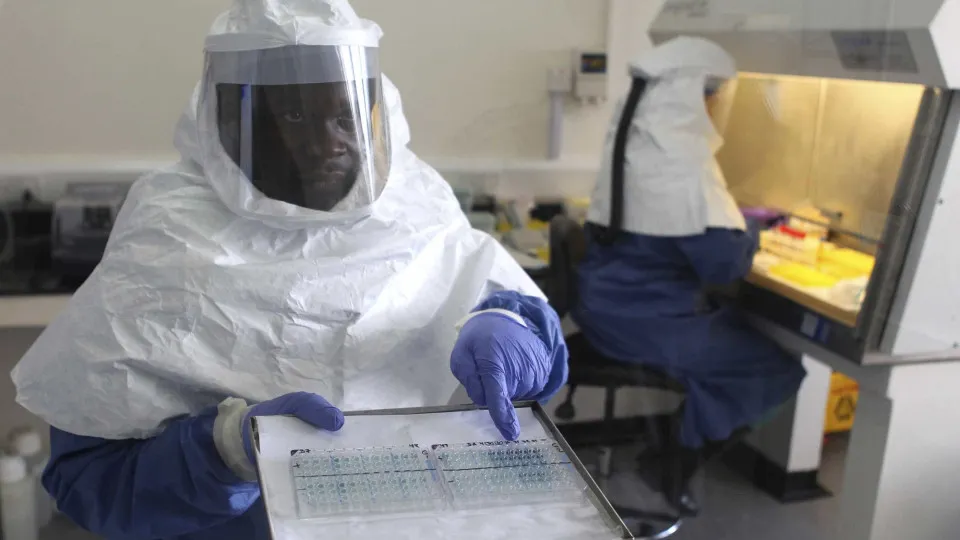
The outbreak of Ebola in DRCongo has surpassed 4,200 deaths and is close to 9,000 cases, according to health reports. The virus affects 64 health zones in seven provinces and is the second most deadly in history.
© Reuters
10/10/2026
by
Lusa
O ebola outbreak in the Democratic Republic of Congo (DRCongo) has already surpassed 4,200 deaths and is about to exceed 9,000 cases, according to the latest bulletin of the Congolese health authorities.
The outbreak, officially declared in the eastern region of DRCongo on May 15, accumulates 8,787 confirmed cases, including 4,242 killed, reported the National Institute of Public Health (INSP), using data until October 7.
The virus currently has a mortality rate of 48.3%, requiring INSP, pointing out that a total of 2,292 patients were able to recover from the disease, while 980 patients were in isolation and hospitalized.
The contact tracking rate is 80% and deserves “special attention to avoid uncontrolled transmission chains”, added the health authorities.
The epidemic affects 64 health zones in seven of the 26 provinces of DRCongo: Ituri (in the east), Tshopo (central-north), Bas-Uélé (north), Haut-Uélé (northeast), North Kivu (east), South Kivu (east) and South Ubangi (northwest).
This outbreak is the second most deadly in global history, although it is still far from the most serious recorded to date, which has caused 28,000 cases and about 11,000 deaths in West Africa between 2014 and 2016.
The current epidemic also spread to Uganda, where the World Health Organization (WHO) declared, on August 26, the end of the outbreak, after recording 20 confirmed cases, including 15 imported from DRC, which resulted in two deaths.
The Bundibugyo strain, responsible for the ongoing outbreak, does not have specific medical treatments, although the WHO is working on two vaccines that have already started trials in humans and have so far proved safe. However, its development may take months.
Ebola virus is transmitted by direct contact with body fluids from infected people or animals and causes severe haemorrhagic fever, vomiting, diarrhoea and internal bleeding.