
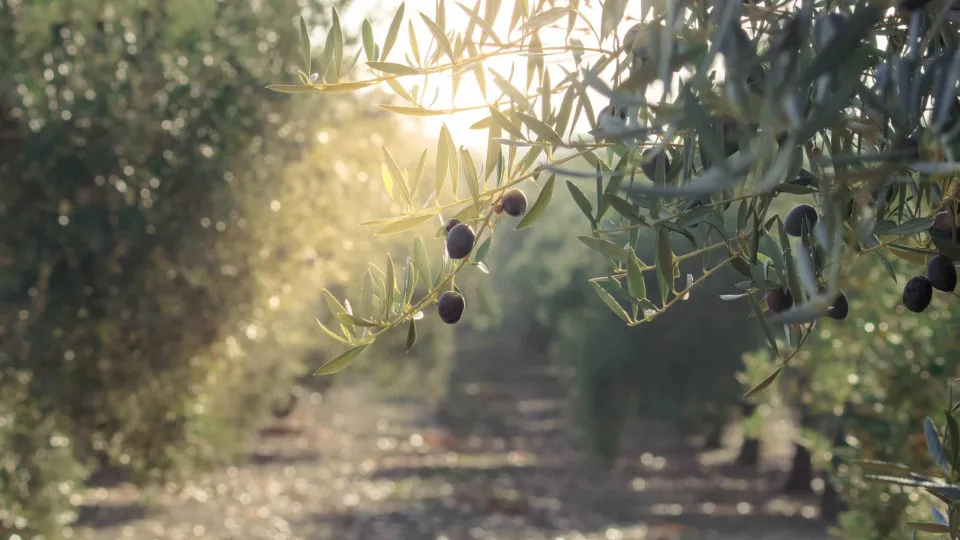
The Middle Tagus Local Health Unit (ULS) warned about the risks of falls and accidents during olive harvesting, an activity that annually causes dozens of occurrences requiring hospital care in the region.
© Shutterstock
19/10/2026
by
Lusa
A Local Health Unit (ULS) of the Middle Tagus warned about the risks of falls and accidents during olive harvesting, an activity that annually causes dozens of occurrences requiring hospital care in the region.
“In 2025 there were 129 associated/codified falls in this area of the agricultural campaign,” he said today to the Lusa agency source of the ULS of the Middle Tagus.
The warning comes at a time when the olive harvesting campaign, traditionally held during the autumn, involves agricultural workers and numerous small owners who maintain manual harvesting or use mechanised equipment.
In a message of awareness, the ULS Médio Tejo, which is part of the hospitals of Abrantes, Tomar and Torres Novas, in the district of Santarém, warned about the annual occurrence of dozens of accidents related to olive harvesting, many of which require assistance in emergency services.
The institution identifies the falls of trees and stairs among the main risks of the activity, also alerting to accidents associated with the use of agricultural equipment and the conditions of the land where the work takes place.
Sinistrality may also occur during the transport and processing of the olive in the mills, as well as in later operations of maintenance and pruning of olive groves, which involve additional risks of trauma and injuries caused by cutting objects.
According to the ULS Médio Tejo, falls constitute a public health problem, with the most reported accident in Portuguese hospitals, with about 5% of the occurrences resulting in fractures and between 5% and 11% causing other serious damage.
In view of these risks, the institution recommends increased care, especially among older people, advising them to avoid climbing the olive trees and favouring the use of equipment to carry out the harvest from the soil.
“It is preferable to use the variator to rip the olive tree in safety – leaving the branches higher per spoon – than to endanger its health or even life,” stresses the ULS Médio Tejo.
Among the recommended preventive measures are the prior cleaning of the land, eliminating loose stones, holes and branches, the use of non-slip shoes and checking the stability of stairs and support points before use.
The institution also advises to avoid isolated work, especially in areas with difficult access, and recommends regular breaks, hydration and the use of adequate protective equipment.
The warning gives continuity to awareness actions promoted in previous years, when the then Middle Hospital Center Tejo already warned of dozens of annual accidents associated with the olive campaign.
At the time, the institution identified falls, severe traumas and accidents with agricultural machinery among the situations that motivated hospital care, also drawing attention to the risks of operations carried out in the mills.