
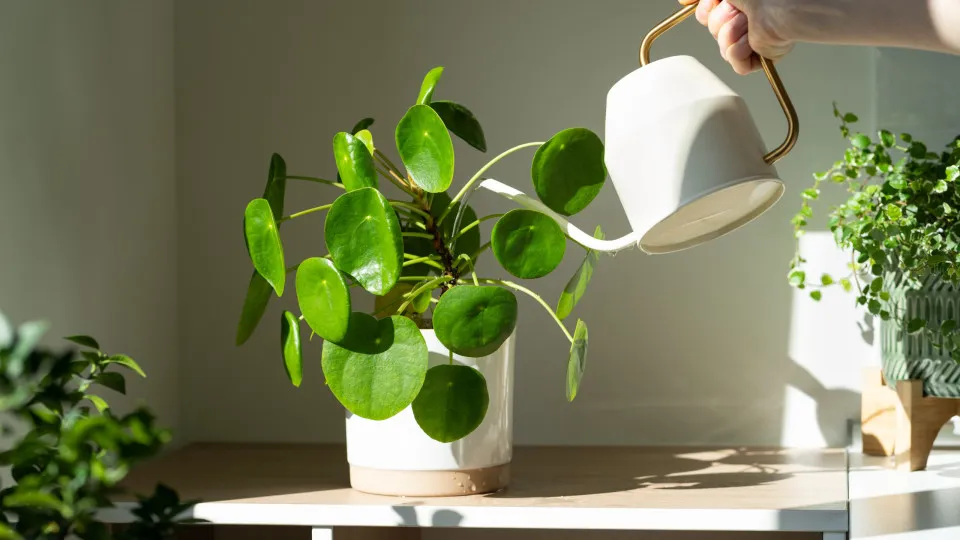
Watering plants seems a simple task, but the time chosen, water temperature and sun exposure can make all the difference in your health. Experts explain what care should be taken to avoid fungi, burned leaves and rotted roots.
© Shutterstock
29/10/2026
by
Aplants bring a feeling of warmth and vitality to any environment. In addition to encouraging space, they provide numerous psychological benefits, such as improving mood, reducing stress and increasing productivity.
But in order for them to be healthy, adequate care needs to be dispensed, watering being one of the most important.
The best time to water the plants
As a Good Housekeeping article highlights, irrigation should be done in the morning.
“ It is giving its plants access to moisture before the most clear and warm part of the day and any water that splashes on the leaves will have time to dry,” noted Emily Bauer, founder of Jungle.
Horticultural Tammy Sons agrees: “Watering in the morning is always better, always before sunrise. All benefit from morning watering, except desert plants such as cacti”.
Why shouldn't you water at night
Night watering can contribute to the appearance of mold, growth of fungi and even rotting of roots.
“Watering at night means that the water will remain on the leaf longer, allowing spores of fungi and bacteria to germinate and infect the leaf,” says Peter Brian Morris, vegetable grower at Plant Specialists.
Of course, sometimes the need for Humidity overlaps. “The concern is to leave the wet foliage or the soil constantly soaked, especially in a cold environment with little air circulation,” says Bauer. “If you find a dry and thirsty plant at night, water it.”.
Plant location is important
You should also pay attention to where you put your plants. “Solar rays that affect a drop of water on a sheet can function as a lens and burn the leaf,” Morris says.
Therefore, it is best to keep certain indoor plants away from direct sunlight to reduce the risk of leaf burns, overheating and rapid drying of the soil.
Also adjust the irrigation according to the position of the plant. “The same plant may have very different watering needs near a sunny window compared to the other side of the room,” says Bauer.
“ Check again when the stations change or the heating is on. A routine that worked in July may need adjustments in January, even if the plant has not changed place.”.
Beware of water temperature
Water temperature plays a crucial role in the care of indoor plants. Morris recommends the use of warm water: “The water should be moderately hot, just above room temperature. This facilitates soil absorption. Some orchid species may have their broken roots if watered with very cold water”.