
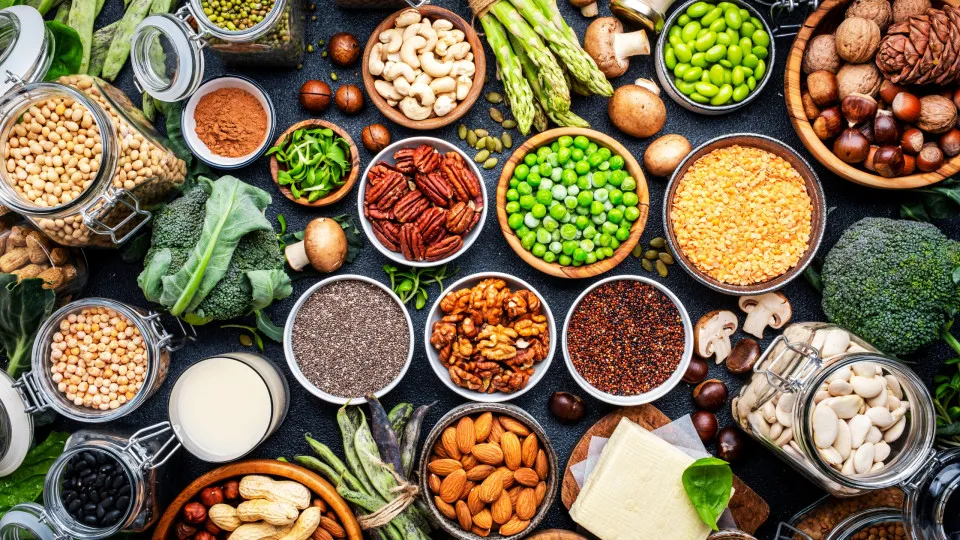
The diet has a great influence on cholesterol levels, so foods you choose to put on the plate can make a difference. One nutritionist revealed which plant protein she recommends in these cases: beans.
© Shutterstock
12/10/2026
by
O high cholesterol may appear silently, as it has symptoms. However, if you pay attention to what you put on the plate, these choices will impact (and much) the levels and health of the body.
Nutritionist Natalie Rizzo highlighted the importance of consuming vegetable protein with fibers, especially soluble ones.
“ The soluble fiber binds to cholesterol and bile acids in the digestive tract and eliminates them from the body through the feces”, explained Today website. “Over time, consuming the recommended daily amount of fibers can help reduce LDL, or ‘bad’ cholesterol,” he highlights.
Plant protein number 1 that helps reduce cholesterol
Beans
Bean is the main choice of nutritionist Rizzo, because it is “an excellent combination of vegetable protein and soluble fiber”. “This soluble fiber is particularly useful for reducing LDL cholesterol,” also known as ‘bad’ cholesterol.
The type of bean with the most fiber is white, since it provides more than 9 grams per portion as highlighted by the same source. Black beans and azuki then appear, as they contain 8 grams of fiber per serving.
Bean protein provides a feeling of satiety, as well as beneficial fibers for intestinal and heart health. In addition, it is cheap (even more if it is bought dry and cooked at home) and versatile, and can be cooked in various ways.
Other plant proteins that help control cholesterol
Lentils
Lentils are also rich in vegetable protein. Half a cup of this legume contains 9 grams of protein and 8 grams of fiber.
“ They are also, of course, poor in saturated fat ", noted Rizzo. “I especially like lentils, because they cook relatively fast and can easily replace the meat in a recipe”.
You can, for example, make a bolognese of lentils. Besides nutritious, it is delicious, and the little ones love this dish.
Walnuts
Like fibers, unsaturated fats are also beneficial for heart health. “Change fat-rich foods saturated by foods rich in unsaturated fats can help reduce LDL cholesterol,” says Rizzo.
This recommends nuts as they “replace foods with high saturated fat”, as is the case with butter. The ideal dose is a handful a day.
You can add it to oatmeal, yogurt and salads, or even eat it in a snack, like it's a snack. “It’s an easy way to add protein and healthy fats to the heart without having to cook anything,” the nutritionist adds.
That is, if you have high cholesterol and have sought to improve your diet according to your cardiovascular health, the one advised by nutrition experts is to bet on legumes and grains, such as beans, including them daily in your diet.