
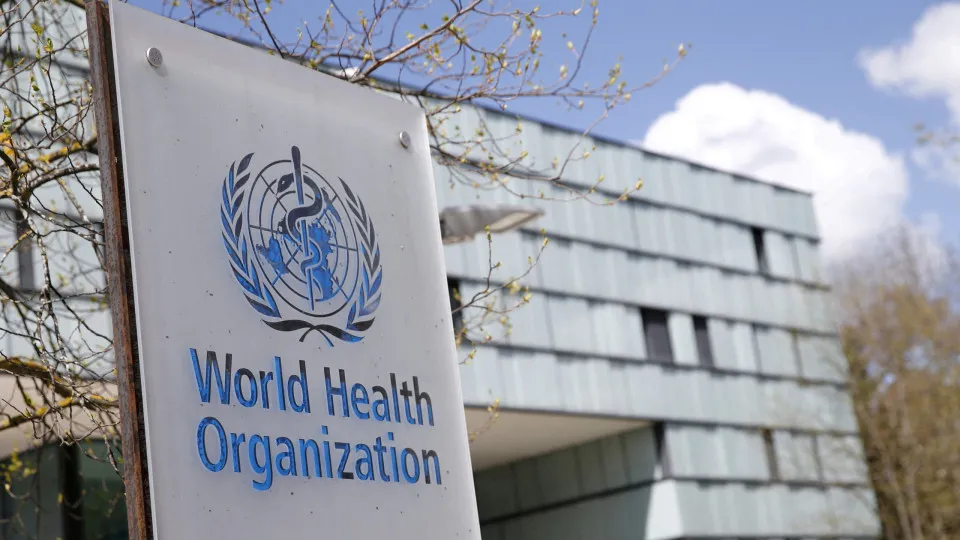
A World Health Organization (WHO) report argues that six relatively low cost sanitary and climate measures could save 1.6 million lives per year and generate billions of dollars in economic and fiscal benefits.
© Reuters
04/11/2026
by
Lusa
Uthe World Health Organization (WHO) report argues that six relatively low cost sanitary and climatic measures could save 1.6 million lives per year and generate billions of dollars in economic and fiscal benefits.
The document, presented a few days before the UN annual meeting on climate change (COP31) in Antalya (Turkey), shows that the installation of health warning systems for heat waves, drinking water supply services resistant to climate change and other measures could generate annual benefits of $3.9 billion (€3.49 billion).
To this would add another 5.4 billion dollars (4.83 billion euros) additional in tax benefits, WHO experts point out, which also mention, among the measures to be adopted, investment in basic sanitation, hygiene and hand washing services.
The adoption of cleaner fuels to cook and heat homes, as well as pricing policies for fossil fuels, complete the list of measures that could avoid one in 40 deaths per year, according to the organization's projections.
“ The report shows that the implementation of effective and accessible measures could save millions of lives, with the greatest benefits in the countries that need them most,” said WHO Director-General Tedros Adhanom Ghebreyesus.
WHO’s climate, health and economics manager Frank Pega, who presented the report, said it was “one of the greatest investment opportunities in health in the 21st century, with a return that few other initiatives could match.”.
Looking at COP31, which begins on November 9, the main leader of the UN health agency said that health protection “should occupy a central place” in the discussions.
The measures proposed by the WHO could help prevent the emission of 16,700 million tonnes of carbon dioxide, equivalent to 31% of annual greenhouse gas emissions, excluding those from land use and forestry.
According to WHO, for each dollar invested in these measures it can generate $24 in benefits — even greater value in the case of sanitary warning systems for heat waves, in which the organization estimates a return of $835 for each dollar invested.
As regards policies for setting fossil fuel prices — which would include the elimination of inefficient subsidies and the application of taxes on their use — the WHO estimates that they would prevent 1.2 million deaths per year and generate three billion dollars (EUR 2.68 billion) annually in benefits.