
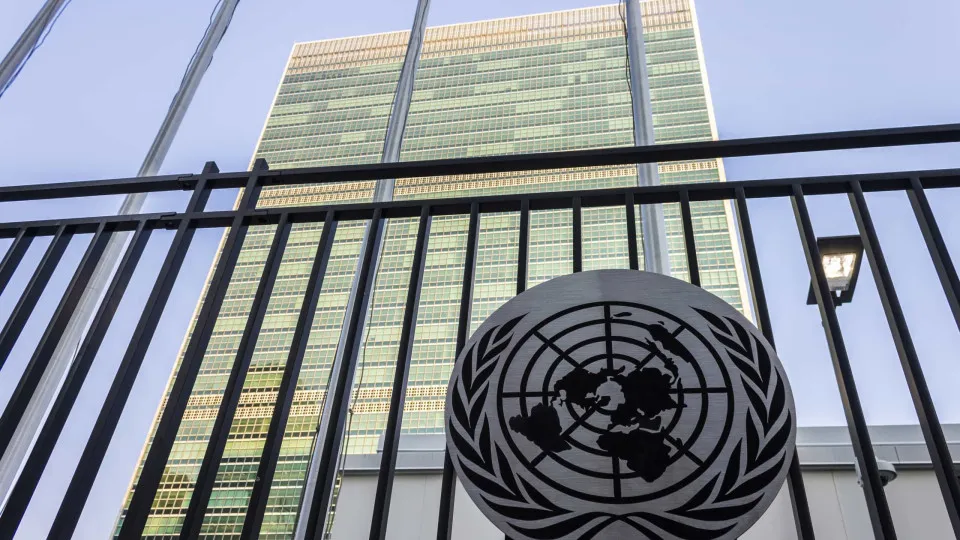
The UN High Commissioner for Human Rights expressed concern about the centre for the deportation of migrants in Rwanda, announced by five European countries.
© iStock
17/11/2026
by
Lusa
O UN High Commissioner for Human Rights today admitted to being concerned about the centre for deportation of migrants in Rwanda, announced Monday by the Rwandan Government, Austria, Germany, Denmark, Greece and the Netherlands.
“ Although we have not had access to the text of the proposal, we are concerned about the risks to human rights arising from the transfer of people from five EU countries to Rwanda, a country with which [migrants] have no real connection,” said UN agency spokesman Marta Hurtado at a press conference.
Rwanda “is facing its own human rights problems,” the spokesman stressed.
In a statement, the UN office added that the solution to migration issues “does not lie in isolated, often very expensive measures, such as resorting to distant countries to deal with an aspect of migration management, or outsourcing human rights obligations.”.
According to the agency led by the High Commissioner, Volker Turk, the answer must be “a deeper analysis of the root causes of migration”, including inequalities and “an unfair economic and financial system that disfavors numerous countries in the global south,” as well as increasing conflicts.
“ We know how complex, politicized and polarizing migration issues have become,” the cabinet said, recalling, however, that many migrant-receptor countries are facing population ageing, labour shortages in key sectors and difficulties in ensuring the sustainability of their social protection systems.
In view of this, the High Commissioner advocates a “comprehensive approach”, based on human rights and extending the paths to regular migration, also recognizing the “large contributions” of migrants to European societies and economies.
On Monday, another UN agency, the International Organisation for Migration (IOM), stressed that it received a request from Rwanda for operational support at the announced centre and indicated its readiness to provide it.
Support will be conditional on “respect for international standards”, the organization stressed, stating that it does not participate in forced expulsions, arrests, policing or security functions.
Formalized on Monday, the agreement allows those five European countries to send rejected asylum seekers to Rwanda as a means of increasing deportations and containing irregular migration.
The agreement was signed following the adoption of the new EU Return Regulation, which seeks to accelerate deportations and allows Member States to establish return centres outside the bloc
Rwanda has promised to offer a “second opportunity” to migrants that it receives in this way.
Several human rights organisations have expressed concerns about this agreement, accusing the Government of Kigali of suppressing dissent and supporting the rebel group M23 in the neighbouring Democratic Republic of Congo, allegedly responsible for murder, rape and other abuses.
The lack of security in the African country was, moreover, the reason given by the UK Supreme Court to fail in 2023 the British decision to send asylum seekers to Rwanda.