
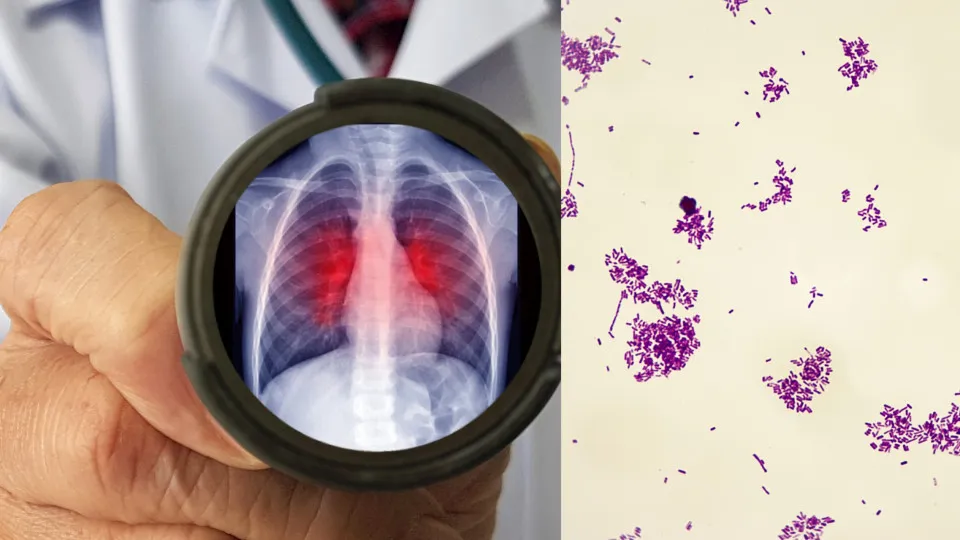
The death in Russia of a laboratory worker in a possible case of pneumonic plague left some warning. The World Health Organization reassures and considers “very low” the risk of an outbreak. Know what the pneumonic plague is, know the risks and how it is transmitted.
© Shutterstock
07/10/2026
by
Piero Ollio is a professor of infectious diseases and explained to the BBC what this condition is. It reveals that this is a very severe pulmonary infection that can lead to symptoms such as shortness of breath, chest pain and coughing with blood.
What is the pneumonic plague
“ The plague itself has not disappeared: the bacteria the cause, Yersinia pestis, persists in animal reservoirs in many parts of the world. About 200 rodent species can harbor the bacteria, with reservoirs found in the Americas, Eurasia and Africa” continues the expert.
Read Also: Do you suspect a plague outbreak? China claims to be cooperating with Russia
The teacher believes the risk may be low, but surveillance is important. “Human cases are sporadic and continue to exist, but established surveillance, infection control measures and effective antibiotic treatment are important tools to limit their impact,” he explained.
The plague itself is an infectious disease caused by bacteria found in small mammals. It can contract the disease by being bitten by an infected flea or by being near an infected animal.
The expert also reveals that in the case of pneumonic plague there is also the possibility of human to human transmission. It is through cough and air-borne infected droplets that this can happen. However, you always need close contact with those infected.
Treatment and risks
It also points out that some theories suggest that a pneumonic plague may have been the origin of the known Black Death and killed millions of people in the 14th century.
To the BBC, professor of immunology Zania Stamataki explains that it is important to study the plague. “I understand why people find the idea of plague in a laboratory alarming, so it is worth explaining why this work exists.”
“The plague is not a historical disease. It remains endemic to rodent populations in Africa, Asia and the Americas, and cases in humans occur every year, including outbreaks of the pneumonic form.“
Thus, it is important to work in laboratories to improve the diagnosis, development of vaccines and the creation of new antibiotics that study living organisms, explains Zania Stamataki. A plague of this kind if it is not diagnosed and treated quickly can be fatal. However, existing antibiotics respond well in treatment.
“ It is treatable with antibiotics, especially if treatment is started early. That is why anyone with high potential risk of exposure can receive post-exposure prophylaxis with antibiotics or quarantine,” Professor Malick Gibani also tells the BBC.