
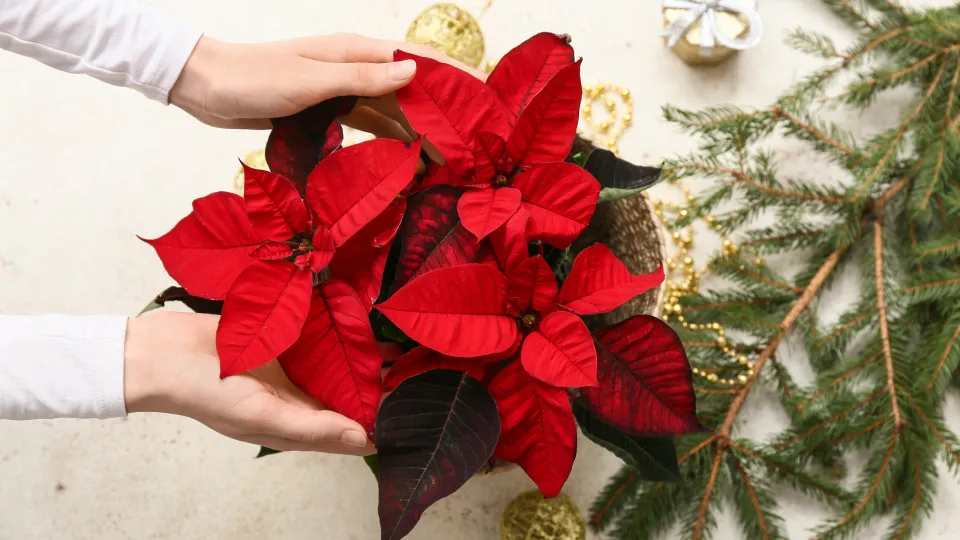
It is one of the plants most associated with Christmas, but keeping the poinsectia beautiful and healthy may not be as simple as it seems. Exposure to light, temperature and watering are some of the factors to which attention should be paid. Know four essential care to prolong your beauty.
© Shutterstock
06/11/2026
by
A poinsétia is one of the most typical flowers of the holiday season, being present in the decoration of many houses. Some buy it only in December, however, if you have already anticipated (or want to do so), then write down these tips to keep it healthy, based on an article in Homes and Gardens magazine.
Care for poinsectia (Christmas flower)
1. Poinsethia needs the right amount of darkness
If you want to stimulate the development of the colored bracts of your poinsectia in time for Christmas, this is the ideal time to control your exposure to light.
This species likes short days and long periods of darkness to gain its characteristic color. To bloom, they usually need 14 hours of complete darkness per night for eight to 10 weeks, plus plenty of daylight.
Thus, a dark cabinet or even an opaque cardboard box works well, provided no light reaches the plant.
During the day, the place where you put your plant is also important. Choose to put it in a well lit window in which you receive six to eight hours of natural light, away from cold air currents.
2. Find a warm, bright place
Although poinsectias need long, uninterrupted nights to develop their colored bracts, they also require plenty of daylight to stay healthy.
Place your plant near a well-lit window in which you receive natural light, without prolonged exposure to direct and intense light.
Temperature is also important. Poinsethias are tropical plants that do not tolerate cold, sudden changes in temperature and air currents. Ideally, the daytime temperature is around 18 to 21°C, keeping the plants away from external doors, windows with air currents, heating outlets and fireplaces.
Temperatures below 10 °C can cause damage, while freezing can kill the plant.
3. Adjust the irrigation routine
With the change of temperature and internal heating, you should pay attention to the amount of water your poinsectia needs. The objective is to keep the substrate slightly moist without leaving the roots soaked.
When watering a poinsectia, check the soil regularly and water thoroughly when the top 5 to 7 centimeters are dry to the touch. Let the excess water flow completely and discard any water that accumulates in the dish.
Excess water is a common cause of poinsectia problems, as the constantly wet soil can damage the roots and lead to their rotting. However, letting the plant dry completely also lead to wilting and causing the fall of leaves.
4. Check possible signs of stress
Note if there are yellow leaves, wilted leaves or unexpected fall of leaves, which may indicate problems with watering, temperature or cultivation conditions. Remove the fallen leaves with pruning shears and see if the foliage has pests.
Cultivating poinsectia in indoor environments can be a challenge, as success depends on the variety and correct combination of daytime light and uninterrupted darkness. If your plant remains green longer than expected, the cause may be the lack of intensity of darkness.
As soon as the bracts begin to develop color, you can stop the nocturnal treatment with the poinsectia in the dark and return the plant to its usual, well-lit place. Continue to water as needed and maintain a stable and warm environment for flowering to last longer.