
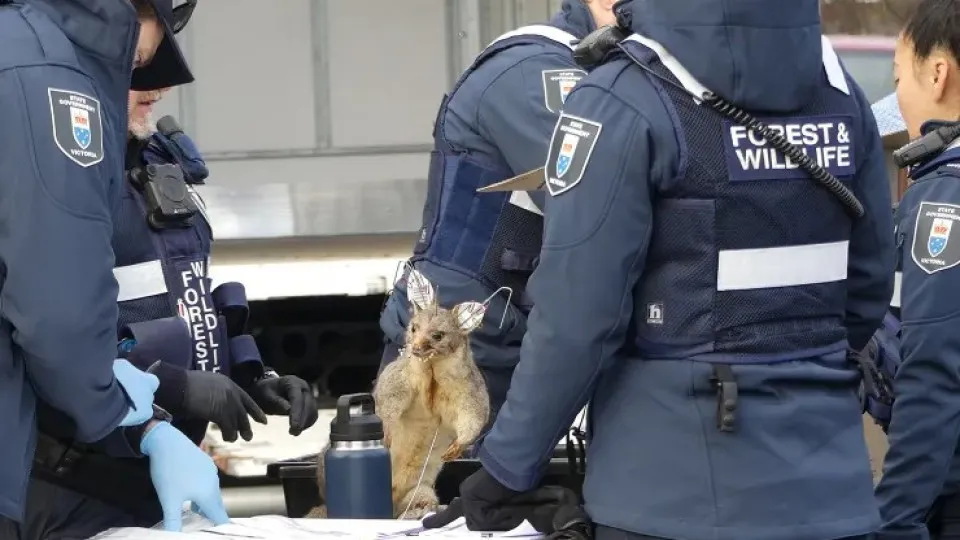
A 74-year-old man was convicted after being found, in his home and in the premises of his antique business, about 700 animals – stuffed, frozen and alive as well. The case happened in the Australian state of Victoria.
© Conservation Regulator Victoria
22/10/2026
by
News to Minutes
Um man was sentenced to pay a fine of about six thousand euros after more than 700 animals – and remains of bodies – were found on his property in the Australian state of Victoria. The man was heard in court now and the conviction arose after pleading guilty to accusations relating to improper treatment of animal species.
According to international publications, the 74 - year - old man had an antique business. The Conservative Regulator, an agency of the Australian government, noted that hundreds of animals were found stuffed (or in the process of Taxiderma, similar to embalming, but without preservation of organs).
Frozen animal corpses were also found – both in his home and in the antiques business he had. The searches and seizures in this case lasted four days. The frozen corpses were distributed over 14 freezers.
According to the regulator, among the approximately 700 animals, 78 emus (birds), 26 equidnas (mammals) and 42 Austrian possums were discovered. Fifteen live reptiles and species are classified as prohibited in the Australian state where they were found – including red-eared turtles (US) and maize snakes, invasive species.
Remains of endangered species in Australia have also been found: barking owl, diamond python and the short-necked river turtle Murray.
© Conservation Regulator Victoria
The judge responsible for the case said on Tuesday that it was incomprehensible that a man with the experience of the now condemned had kept these animals and corpses. “It is disconcerting that a man with his intelligence, knowledge and love for wildlife disrespects the law so arrogantly and comprehensively,” he said, quoted by international publications when reading the sentence.
According to what was still in the press this Thursday, the fine to be paid would be higher, in the order of 9,000 euros, if it had not been found guilty.
“ Our licensing laws and systems help protect wildlife against illegal exploitation, ensure that animals receive adequate care and safeguard Victoria’s environment and biodiversity against possible threats,” said Cal Heppell, director of Regulatory Operations of the conservation regulatory body (Conservation Regulator), in the statement.
Cal Heppel, director of regulatory agency operations, testified in the case, recalling that the laws “and licensing systems help protect wildlife from illegal exploitation, ensure that animals receive adequate care and safeguard Victoria’s environment and biodiversity against possible threats.” And then he added: “These requirements are not optional. Anyone who maintains, markets or has wild animals must comply with the law.”.