
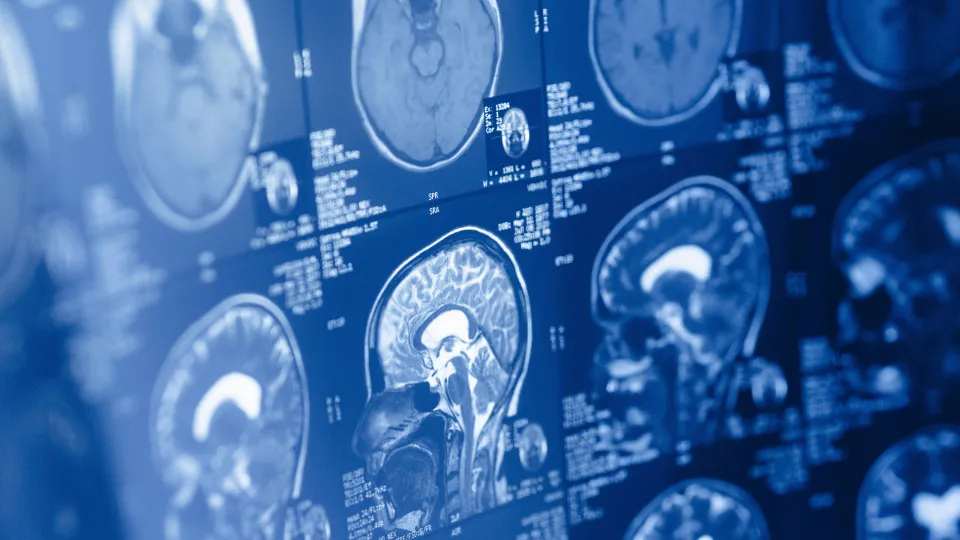
According to a study published in the JAMA Network Open, excessive consumption of ultra-processed foods can increase the risk of brain damage by 40%. The investigation analyzed more than 9,000 participants.
© Shutterstock
20/10/2026
by
Um new study published in JAMA Network Open warned about excessive consumption of ultra-processed foods. The issue is the increased risk of brain damage by 40%. The investigation was conducted by experts from Canada.
According to Medical Xpress, the study revealed the increase in brain damage caused by this type of food may go unnoticed by the signs being often silent.
Study: Enemy brain food
The study was based on the analysis of 9,000 people. Brain damage was identified by magnetic resonance imaging and more common in people who consumed large amounts of ultra-processed foods such as soft drinks, salty foods and sugary cereals.
In many cases, these changes in the brain may be an early sign of a stroke or memory problems, for example. “ Normally, this type of damage is associated with diseases we hear about and treat at a much older age. The study focused on middle-aged people who did not have heart problems and did not report other health concerns“, tell Fox News Russell J. de Souza, a scientist at McMaster University and Hamilton Health Sciences and one of the authors of the study.
The investigation was based on adults aged 35 to 69. Participants who consumed more food processes had a higher amount of visceral fat, which is associated with heart problems, among others.
“ Our results suggest that the link between diet and brain health can be detectable before people present perceptible memory or reasoning problems,” says Sonia Anand, another author of the investigation.
“Ultra-processed foods are usually tasty, but often lack important nutrients, such as fibers, vitamins and minerals, and contain high amounts of sodium, saturated fats and added sugars” they continue.
Despite the results of the study, the expert also pointed out that further investigations are needed to reach a more concrete conclusion. “We need long-term studies that accompany people over time with repeated magnetic resonance imaging tests to find out if reducing the intake of ultra-processed foods can delay or prevent these brain changes.”
Your brain can only win if you make breakfast like this
Dietist Lauren Manaker revealed to the website EatingWell some of the advantages it may have when consuming more protein in the early hours of the day. “This macronutrient helps brain cells function in the best possible way,” the dietist said.
“ Neurotransmitters, such as dopamine and serotonin, are responsible for regulating mood, focus and mental clarity in general. Protein is essential for them to work in the best way.”
Thus, one of the suggested options is to drink a cherry smoothie with spinach. Kefir, almond butter and avocado are other foods that can also add.
“The protein helps to stabilize blood sugar and provides good energy to the brain all morning,” he continues. On the other hand, this is also a breakfast rich in probiotics and anti-inflammatory foods.