
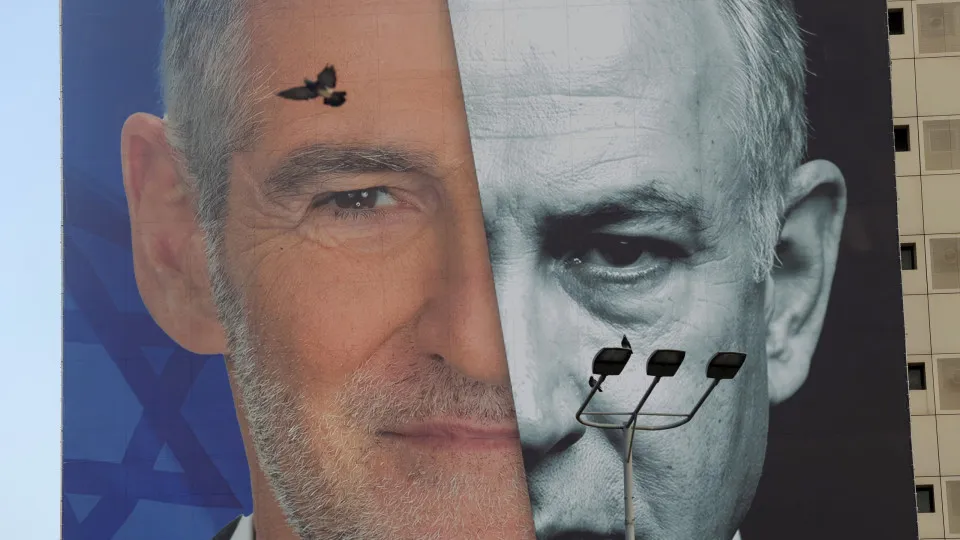
More than seven million voters are today called to the polls to elect a new composition of the Israeli parliament (Knesset), the first electoral act since Hamas attacks in 2023.
© Lusa
27/10/2026
by
Lusa
israeli elections
Mthere are seven million voters today called to the polls to elect a new composition of the Israeli parliament (Knesset), the first electoral act since the Hamas attacks that in 2023 struck Israel and destabilized the Middle East.
At stake in these elections, already classified as one of the most uncertain ever in Israel, are the 120 seats of the Knesset and the consequent governance of the country.
To rule with an absolute majority, a party or coalition needs to gather at least 61 parliamentary seats.
The Israelis vote on party lists and not individual candidates. In this ballot, 37 parties are included in the ballot, but only those who exceed the 3.25% election hall enter the Knesset.
Attention is focused on two names: the current Prime Minister Benjamin Netanyahu (Likud Party) and the former General of the Israeli Defence Forces Gadi Eisenkot (Yashar Party!), a newcomer to Israeli politics.
The latest polls indicate that Eisenkot's Yashar! has a slight advantage over Netanyahu's Likud, but none can reach the "magic number" of the 61 parliamentary seats, nor through post-election alliances with pro-government forces or the so-called bloc of change, unless the latter is understood by the Arab parties.
Three years after the most deadly attack in Israel's history, which plunged the country into a war in the Gaza Strip and other fronts of conflict, today's elections take place in the context of deep internal divisions on various issues, including accountability for the failures that allowed the attack of the Hamas extremist group that morning of October 7, 2023, the weight of military service and the independence of democratic institutions and judicial power.
Israel's ability to preserve its economic prosperity and its international alliances, in the context of ever-increasing internal polarisation and global isolation, were other issues to dominate the political debate.
The vote takes place between 7:00 a.m. and 10:00 p.m. local (two more hours compared to the Lisbon time zone).
The results are confirmed until November 4, but resources can be presented until the 18th, but it is rare that they are accepted or that they can change the election outcome.
It is then up to Israeli President Isaac Herzog to appoint the leader of one of the parties, usually the most voted, to form government. From that moment on, according to an explanation from the Institute of Democracy of Israel, 28 days will take place for negotiations and formation of an executive, extended by 14 more.
If the candidate is not successful, the process is back to square one and Herzog must indicate another name to form government within 28 days, but without possibility of extension. If the deadlock persists, a group of elected Members may make a third attempt within 14 days.
In its history, governments are usually set up at first, but if all three possibilities fail, the Knesset is automatically dissolved and there will have to be new elections.
The vote is not mandatory and Israeli electoral law does not allow citizens residing outside Israel to vote abroad, except for consular and military officials.